A Volunteer’s Experience of WALC

A Volunteer’s Experience of WALC

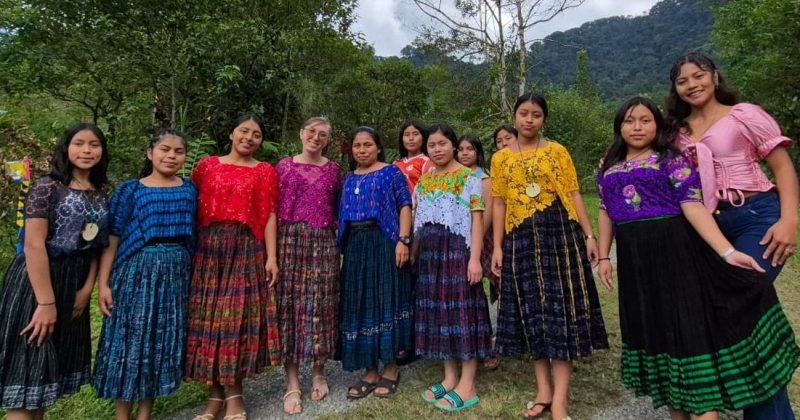
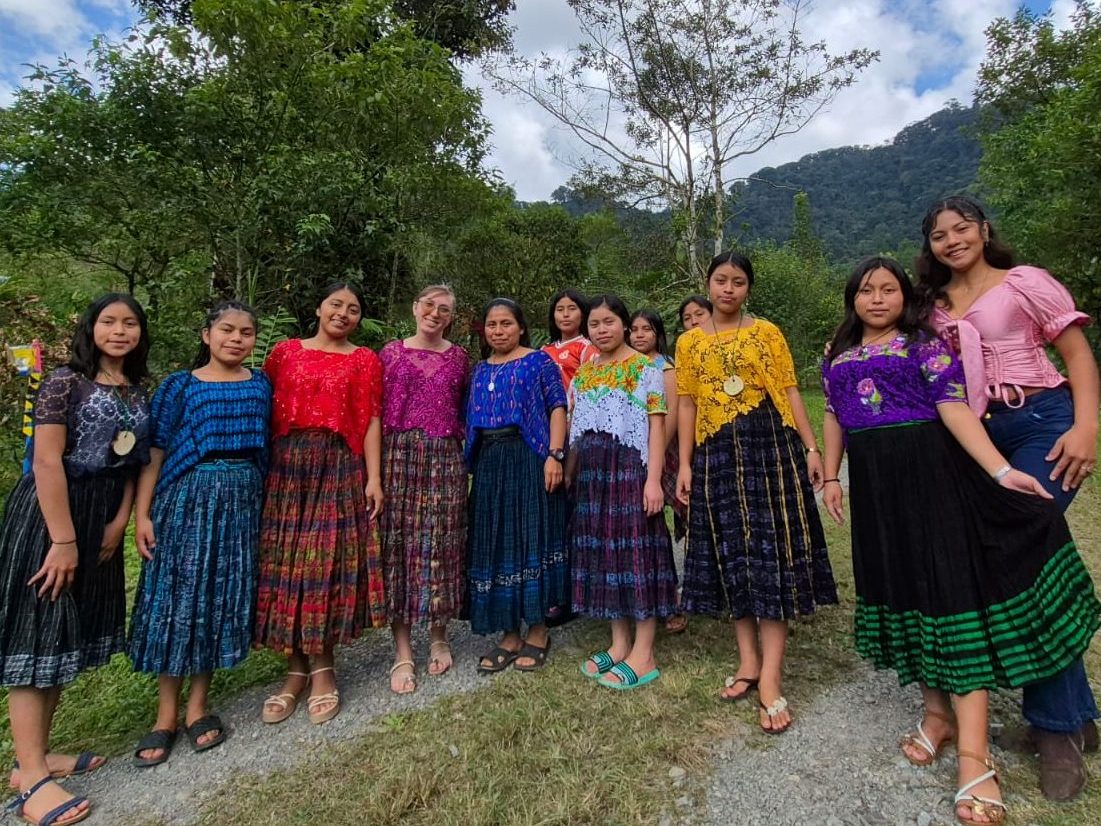
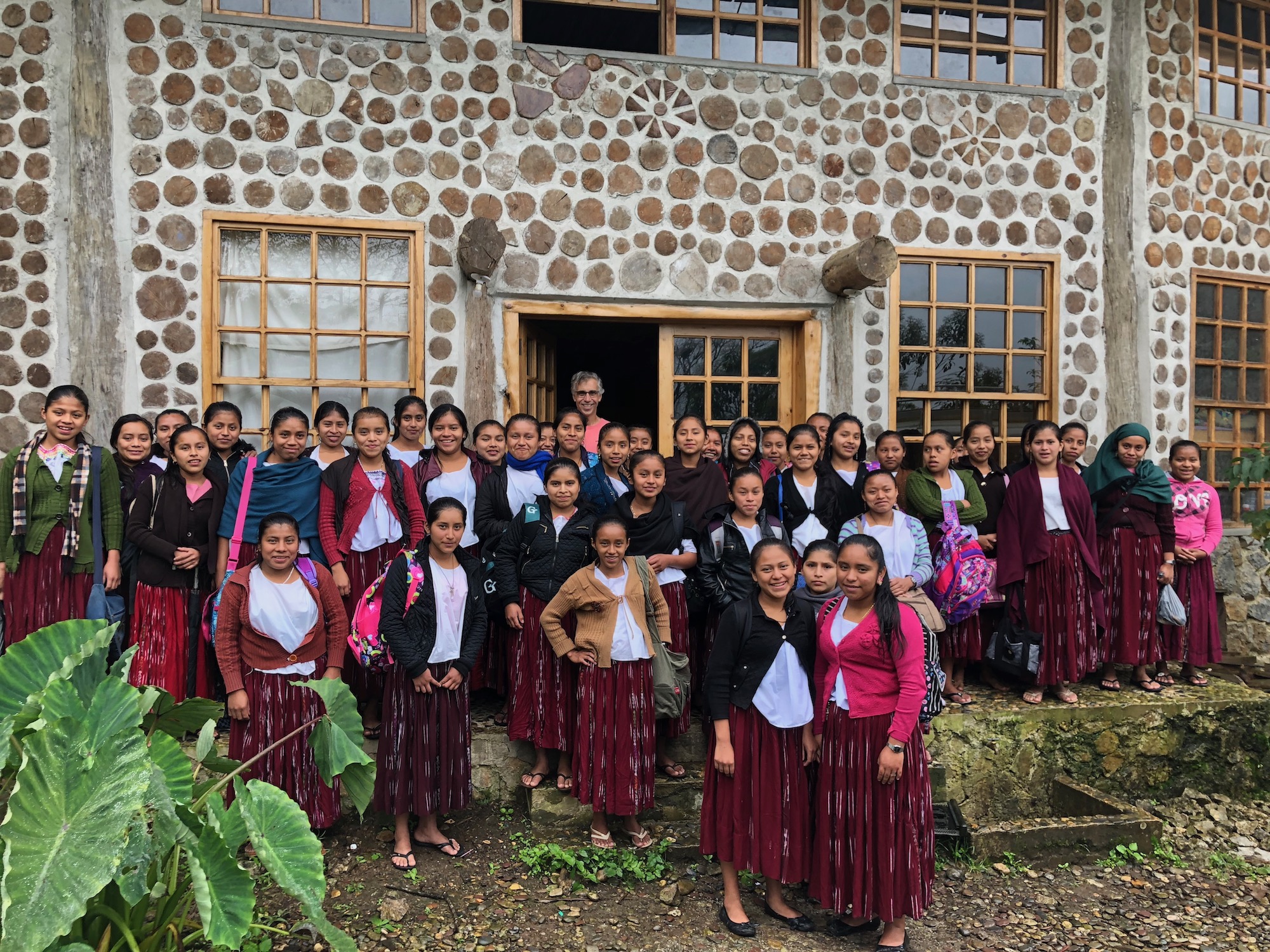
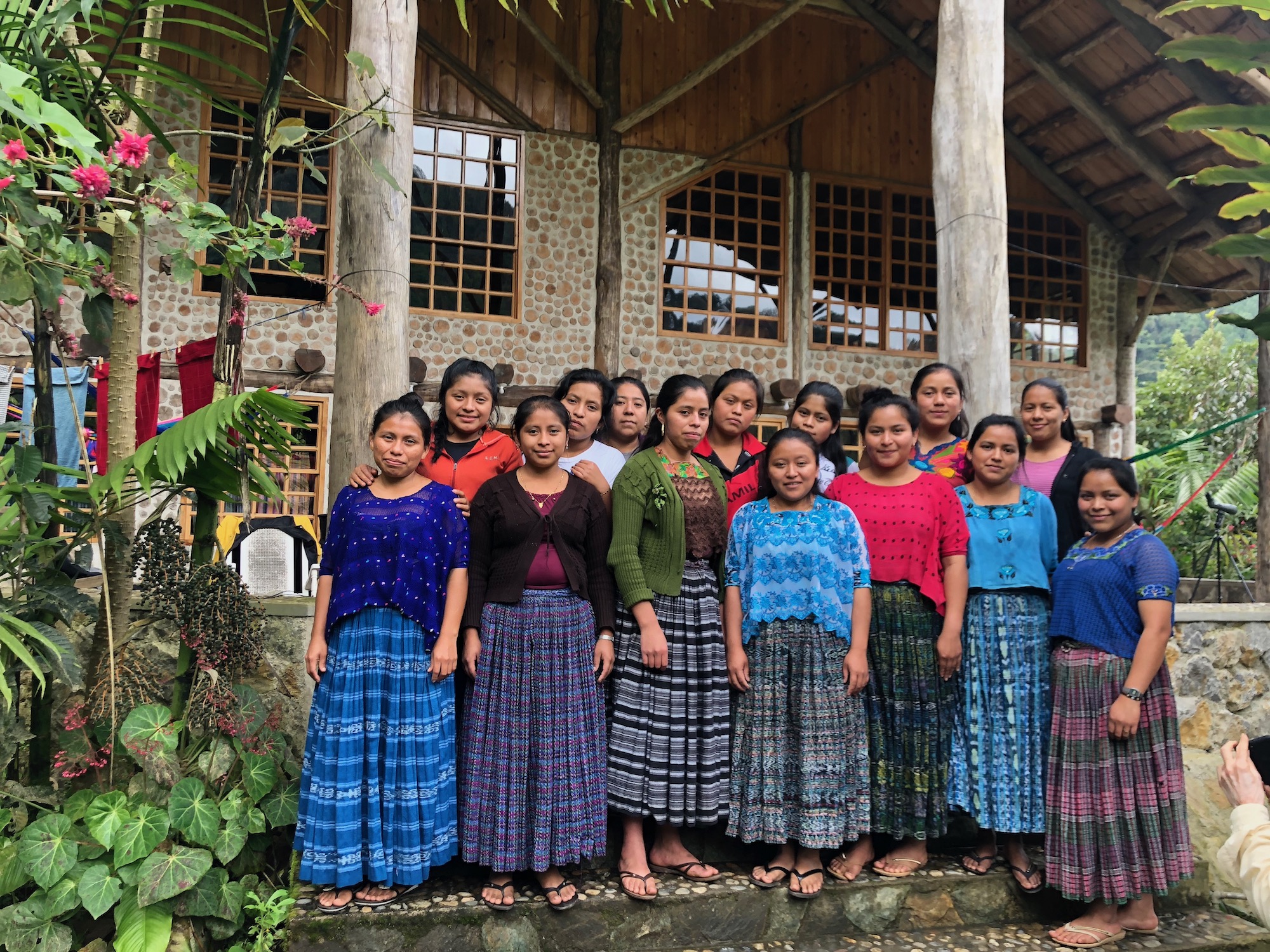
On the day we took the session group photo, some of the girls lent me the traditional dress to wear

As I lurched over the bumps in the dirt road in the back of the tuktuk, I glanced around eagerly, looking for anything I might recognize. The mountain, wispy clouds stretched over the thick foliage, which rose over the farm fields to the right of the road looked familiar, but once we’d passed through the gate onto Community Cloud Forest Conservation (CCFC) property, the views had changed.

It was November of 2025, five years after I had intended to return to CCFC to volunteer with the Women in Agroforestry Leadership for Conservation (WALC) program. The first time I’d visited, I’d come during spring break in 2019 with Dawn Bowen’s Grassroots Development in Guatemala geography class from the University of Mary Washington. In those six years the change in tree cover is astounding. 

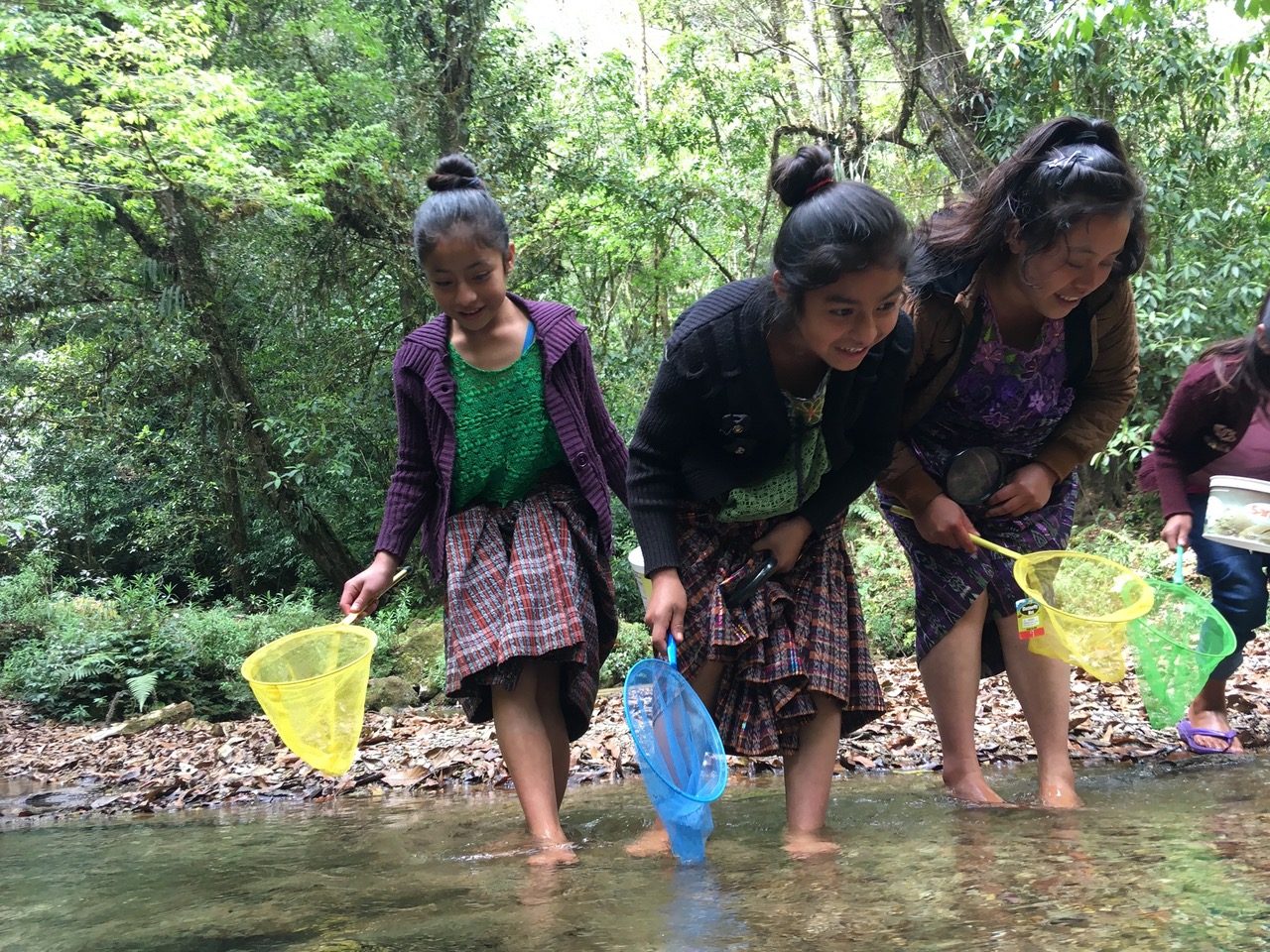
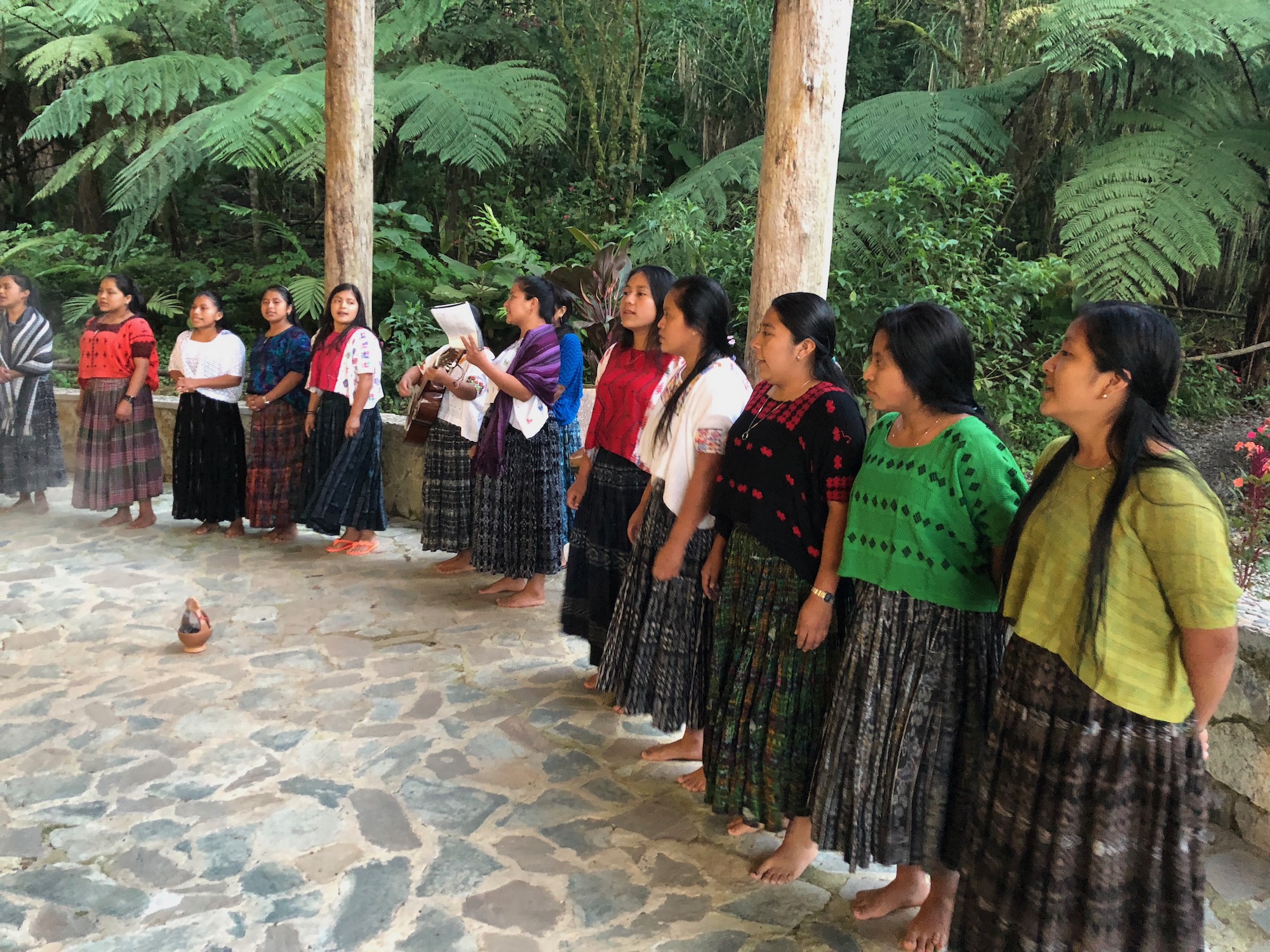
WALC’s goal is to address climate change and cloud forest deforestation by focusing on the education of women and girls. The girls in the program, aged 12-28, participate in a range of classes and activities designed to build self-esteem and leadership skills and become positive changemakers in their communities.

What impressed me most about the WALC program was how by this point in its evolution (18 years after Rob and Tara first conceived of it), it basically runs itself. All the teachers and coordinators for the program are WALC alumni, and even some of the courses have been designed by the teachers. It’s an excellent example of how sustainable development must be tailored to the specific community it serves and the specific challenges they face. 

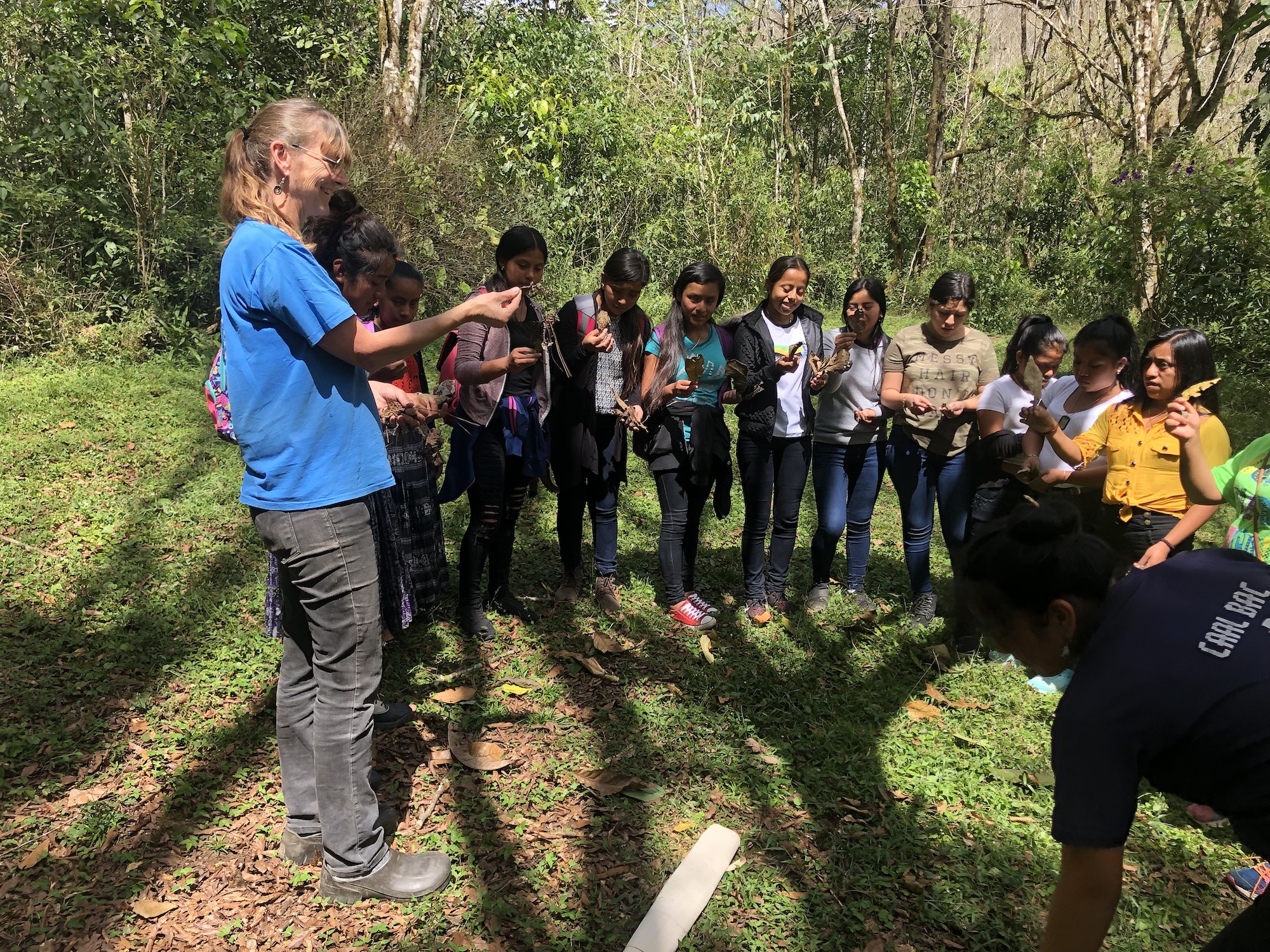
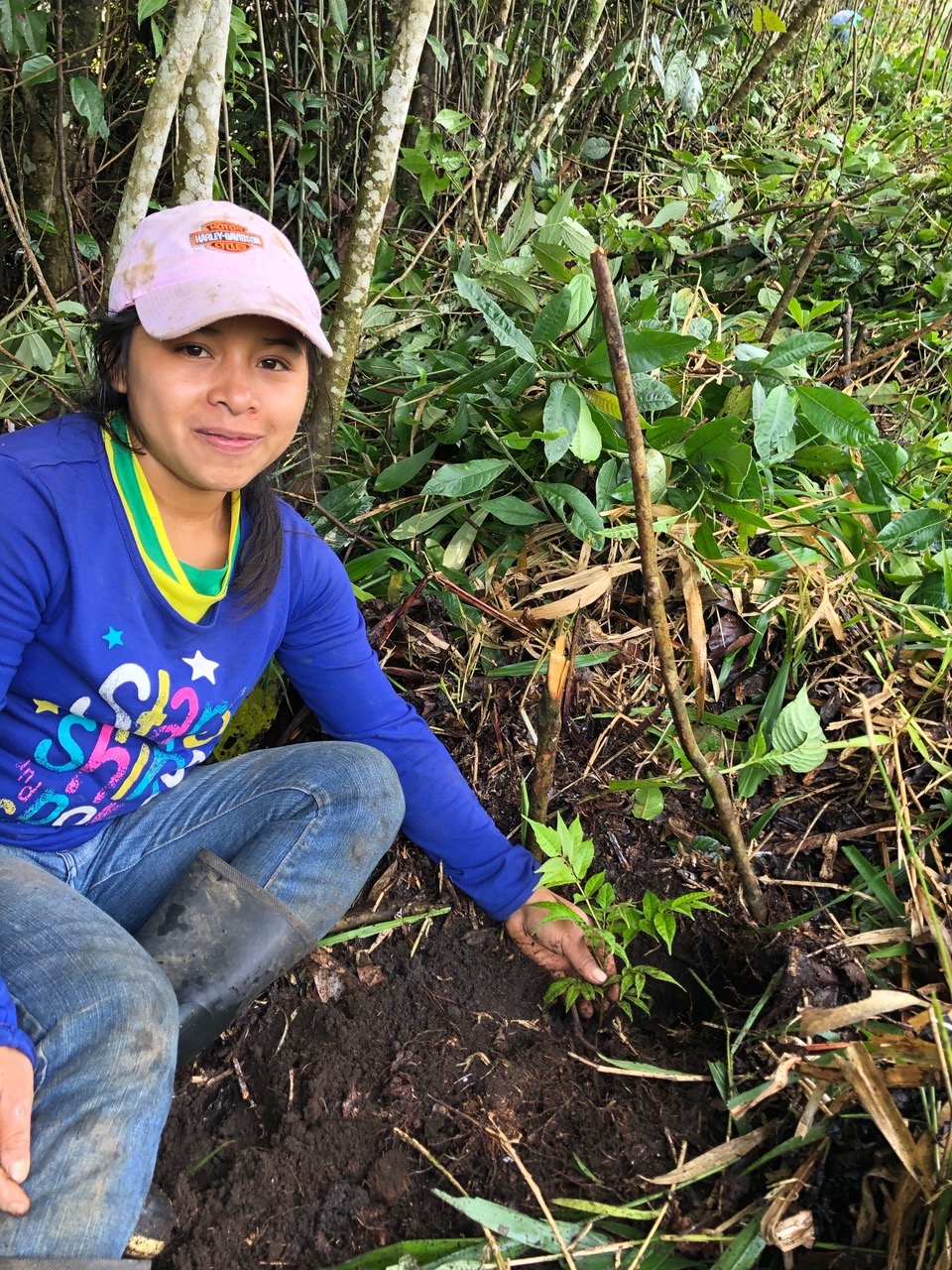
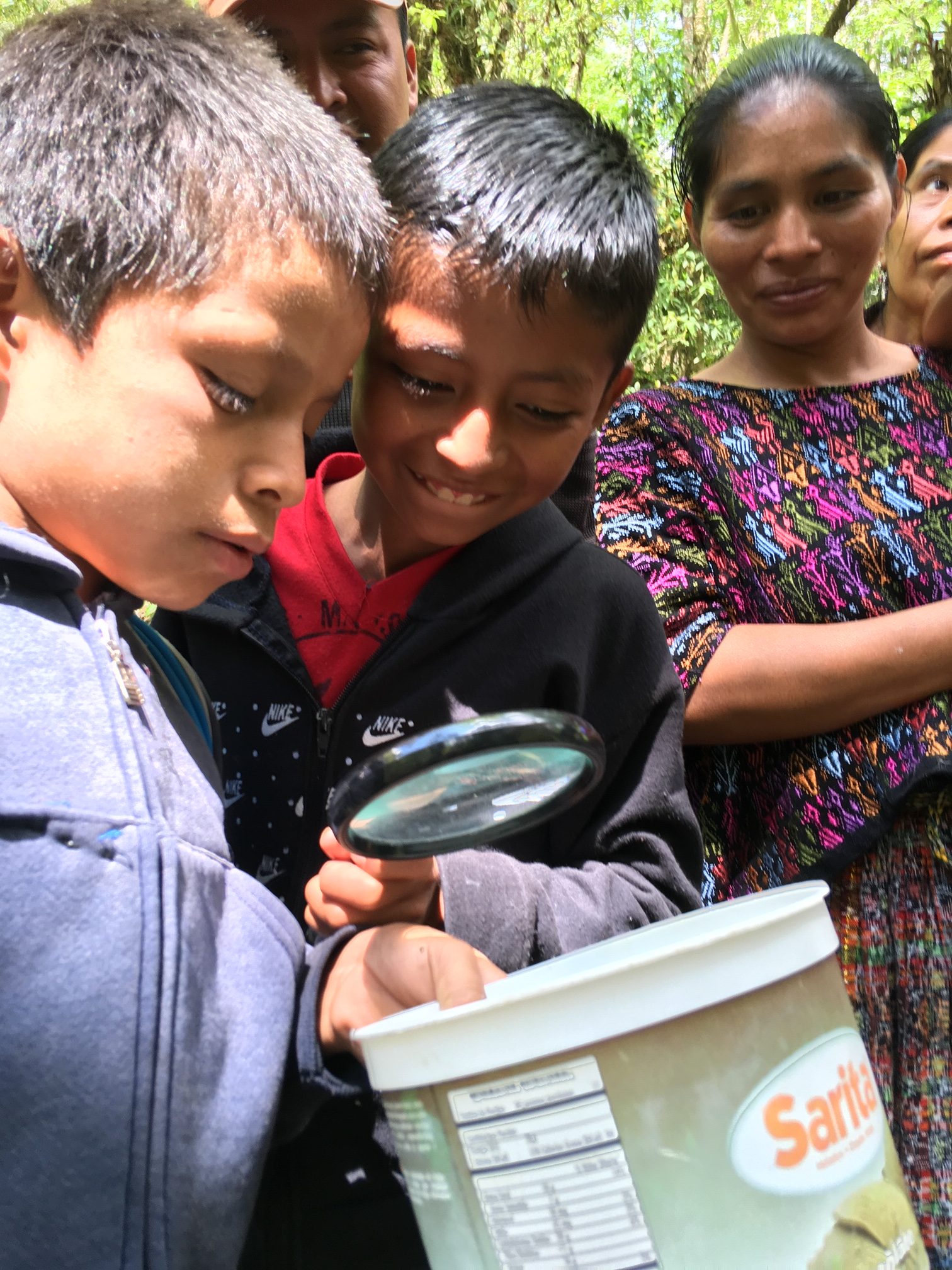
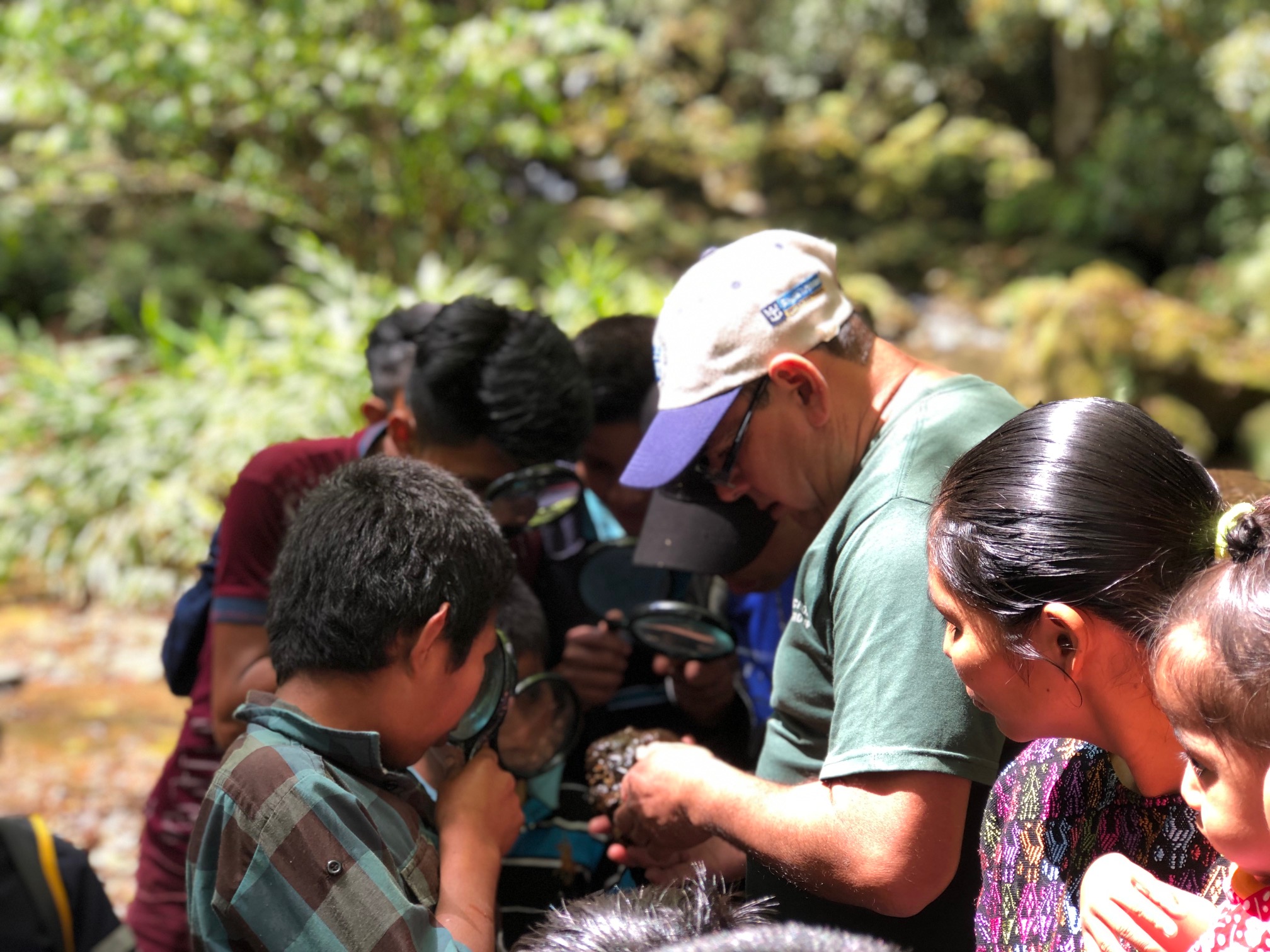
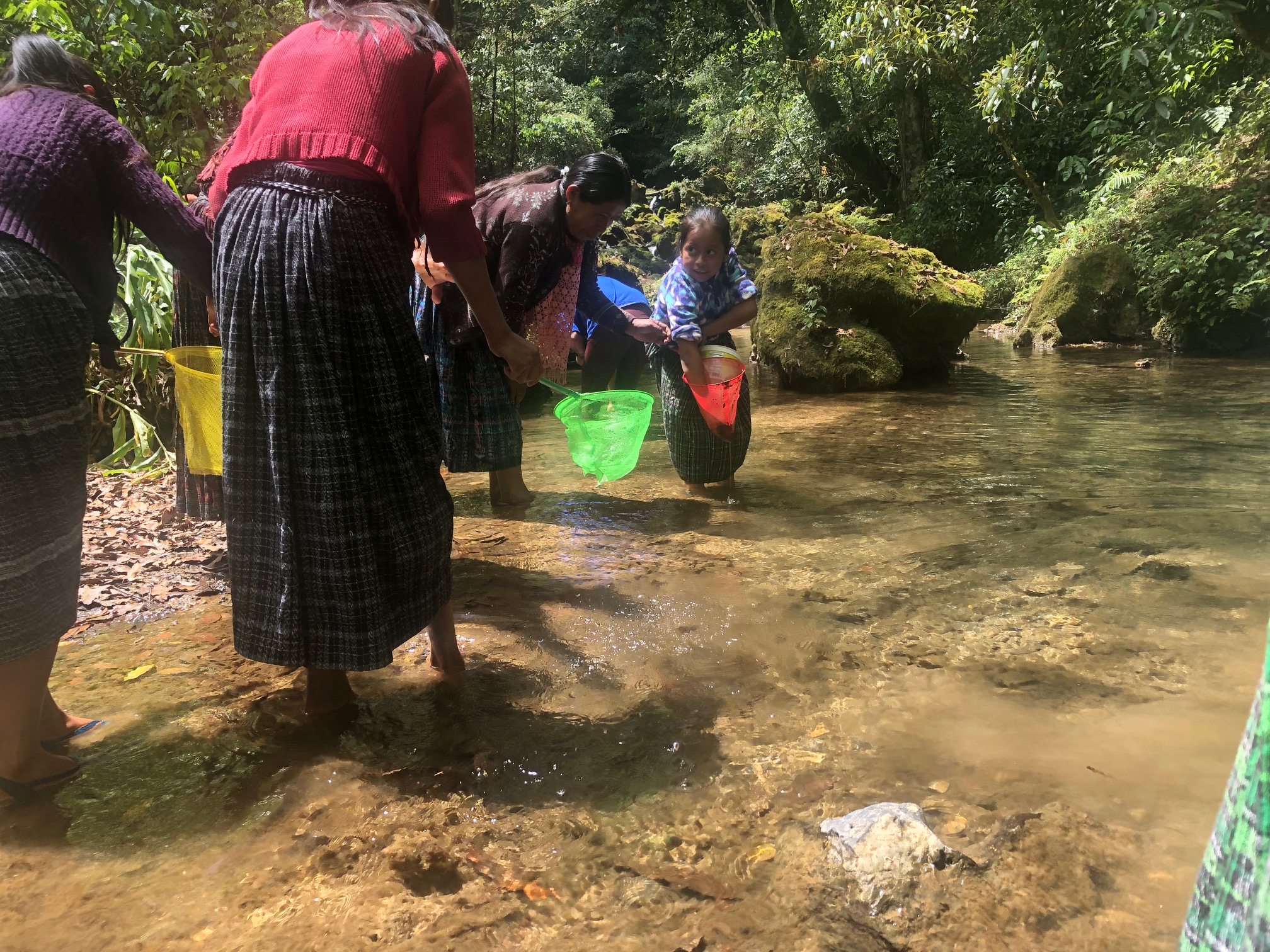
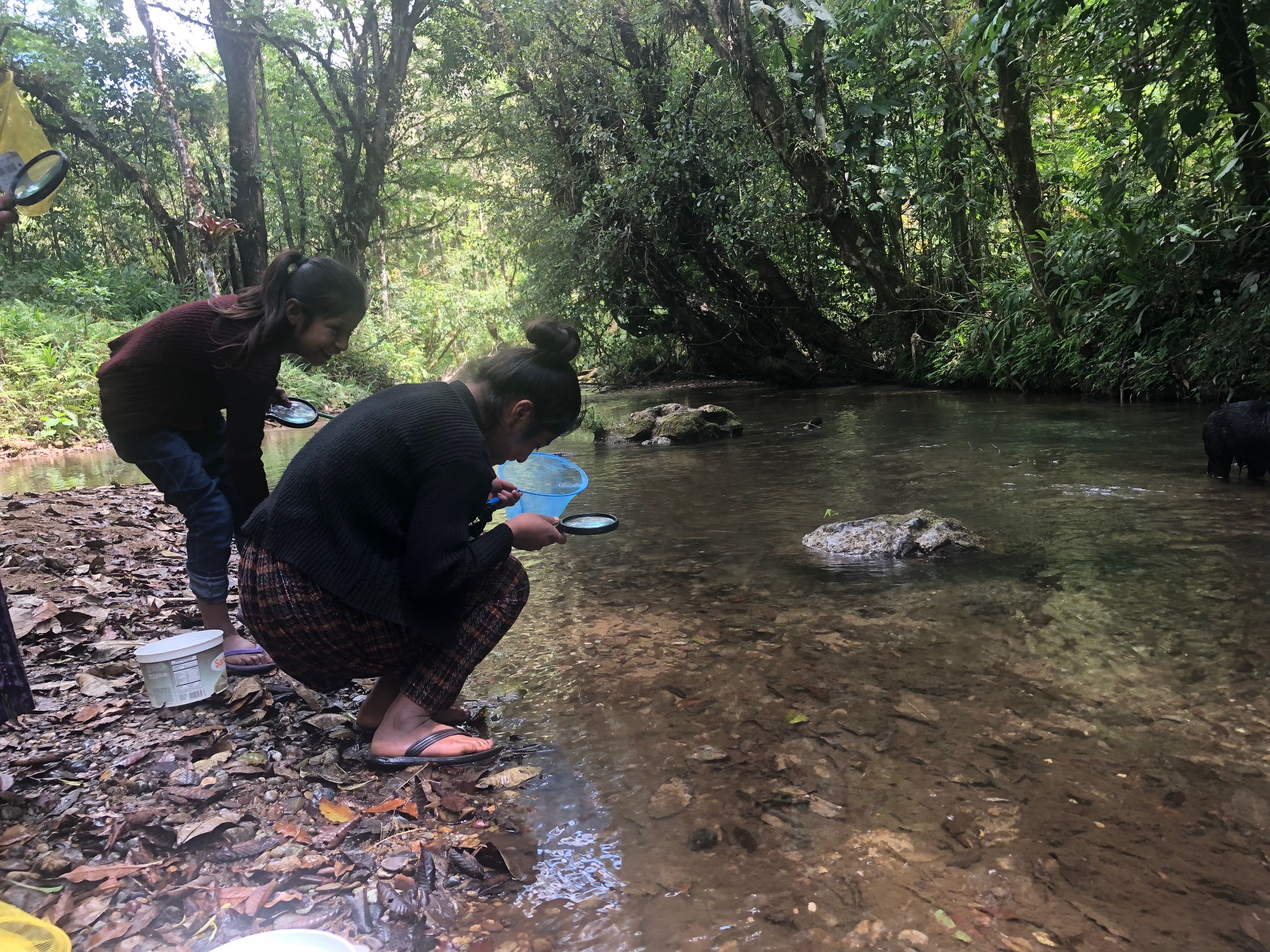
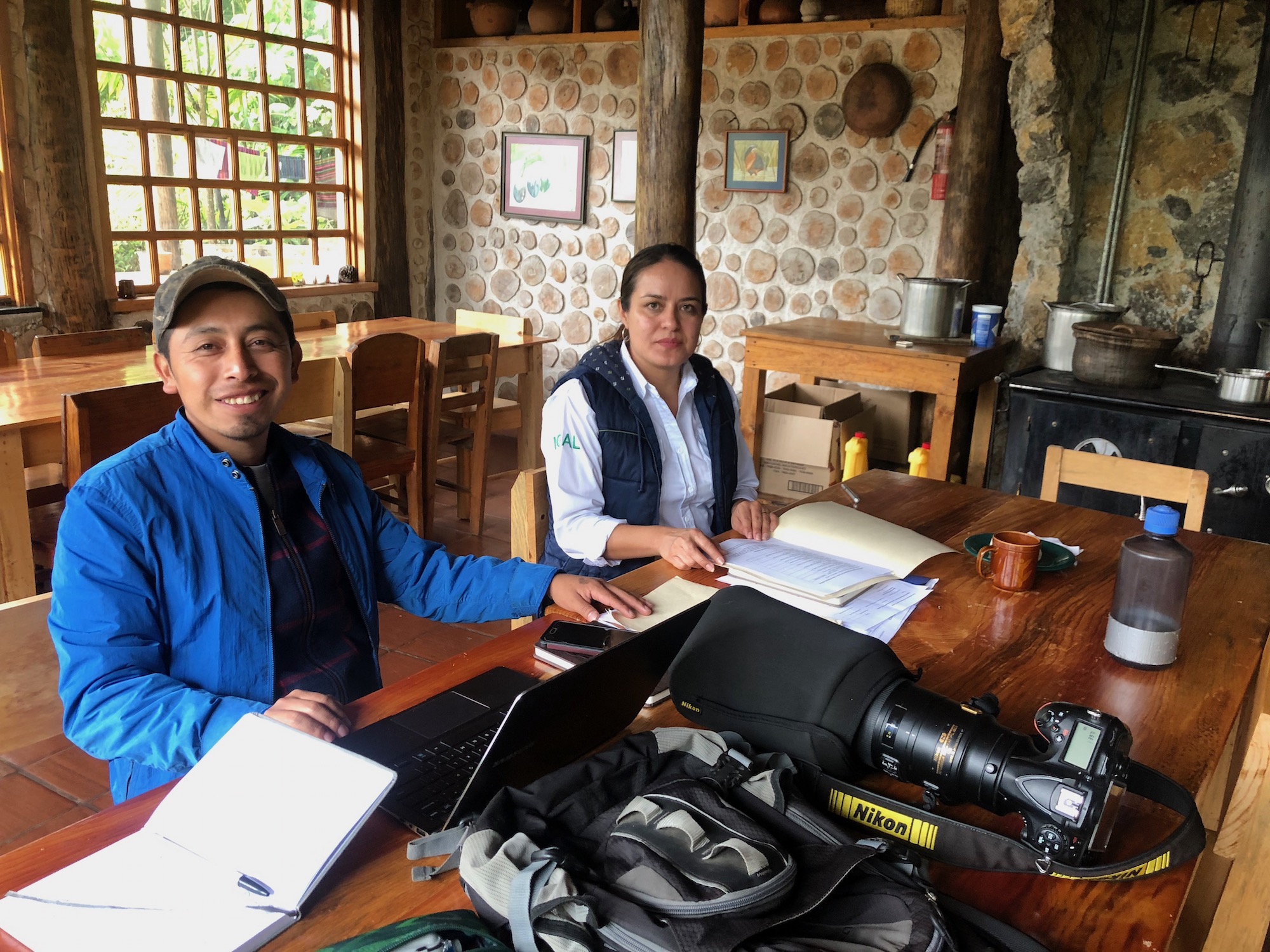
I was just happy to be there and help in whatever way I could. I quickly found my niche as a documentor, taking photos and posting on the CCFC social media accounts. I loved having the chance to interact with the girls. I was even able to interview a few first time and returning participants to hear firsthand the impact of the program on their lives. Having worked with Girl Scouts around the world, I found the young women of the WALC program were very much like girls anywhere else: smart, funny, strong, hard working, silly, curious, kind, optimistic, and full of potential. 

The challenges facing these young women include difficulty continuing education after the sixth grade, malnutrition, lack of opportunities, and changing climate. The WALC program addresses these problems by teaching about nutrition, health, agroecology, water conservation, soil health, biodiversity, climate change, women’s leadership, and more. Not only do girls that go through this program gain more opportunities by continuing their education, but it also helps them to imagine the possibilities of many different futures, providing wonderful role models in the teachers, coordinators, and guest speakers. 

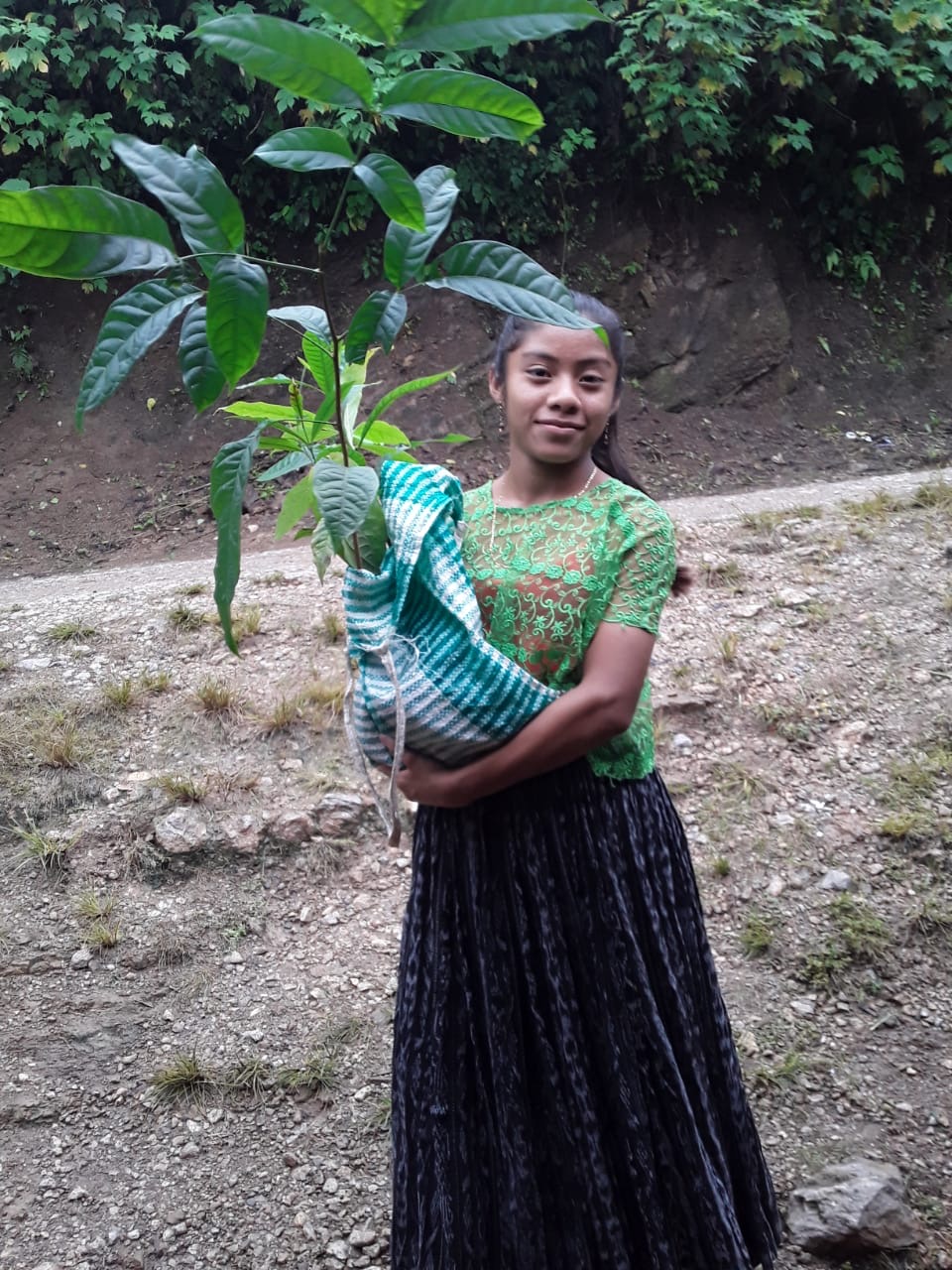
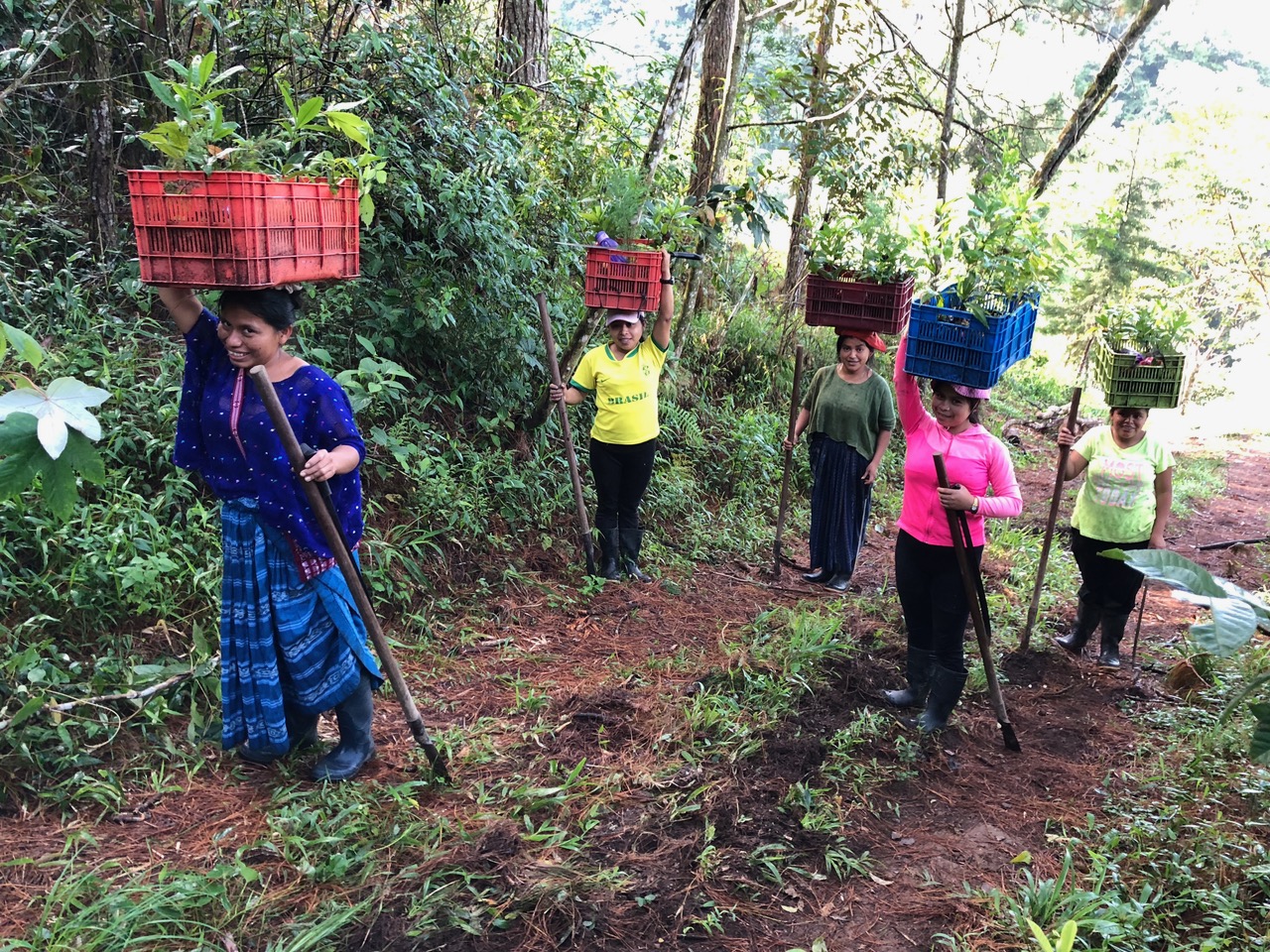
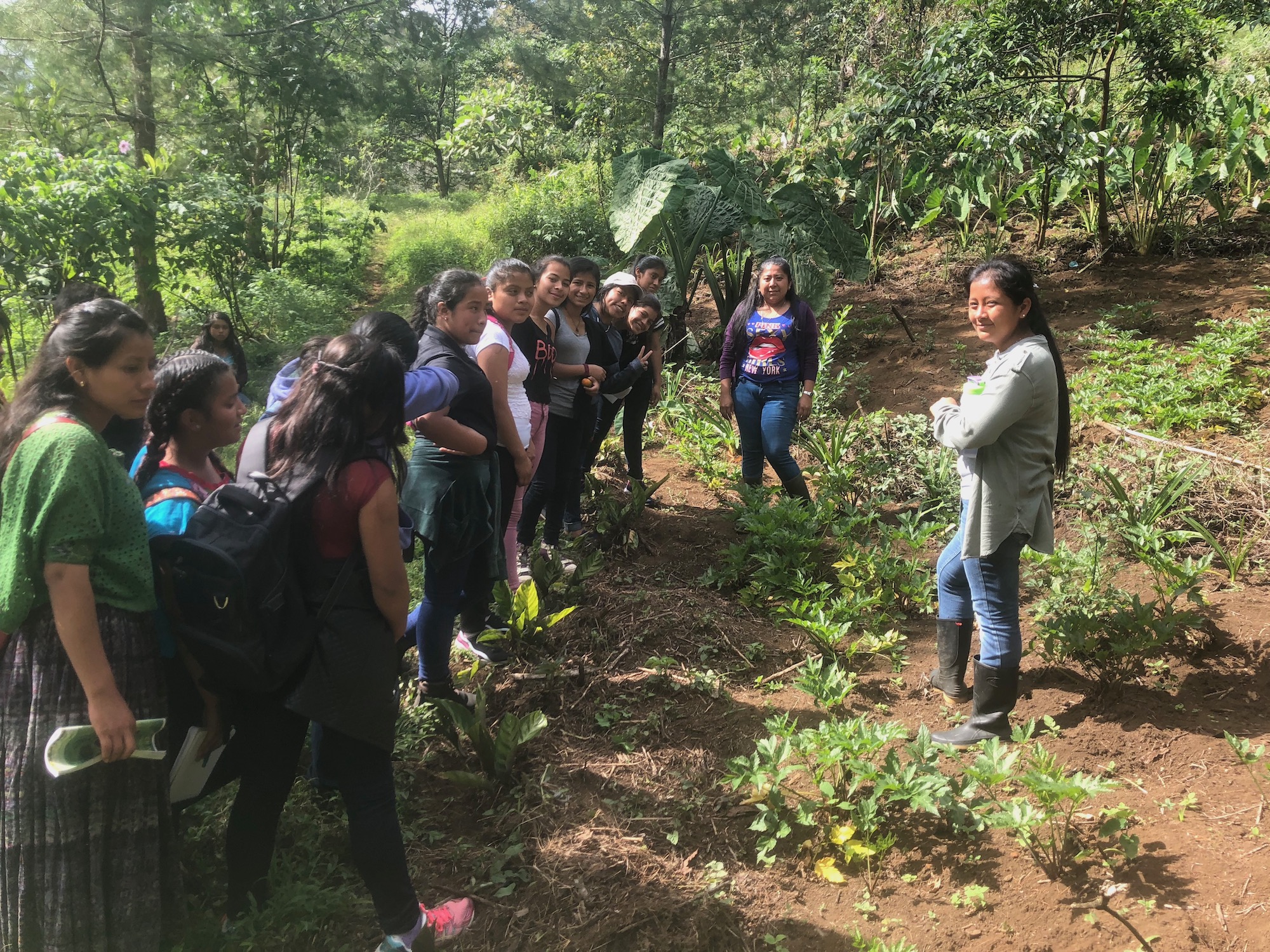
Each participant left with eight tree seedlings with which to start her parcel, knowledge of conservation and agroforestry, and confidence and leadership skills to bring back to her community. Upon completion of the program and reporting on her parcel, each girl will earn a scholarship to help her continue her education.

Returning home to Colorado after attending both the November and January WALC sessions, I’m heartened to know the future of the villages, Guatemala, and the world is in the hands of these thoughtful young women.

Krista Beucler is a writer, artist, and traveler passionate about adventure, the outdoors, photography, cats, and gluten free food. She graduated from the University of Mary Washington with a BA in English: Creative Writing, a double minor in Spanish and Museum Studies, and a certificate from the Peace Corps Prep Program. She earned an MFA in creative writing from Drexel University. Her interests are as eclectic as her qualifications.

Pumpkin Soup Recipe

IYKYK. The food at CCFC is hardy and fresh. The following recipe serves 12. It is cut down from Tara’s recipe that originally serves 144! So play with the seasonings.
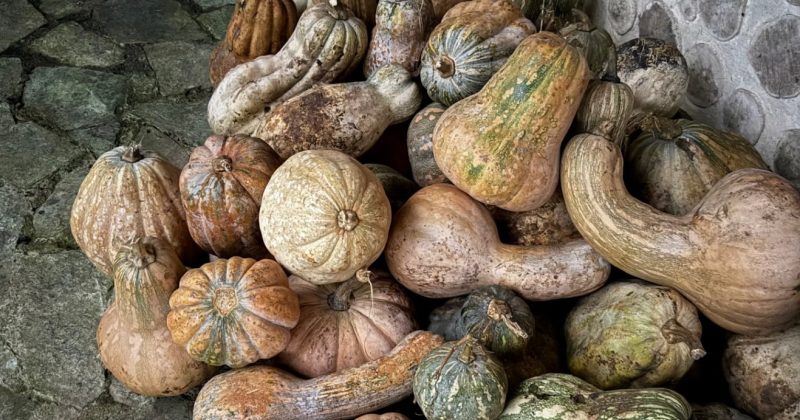
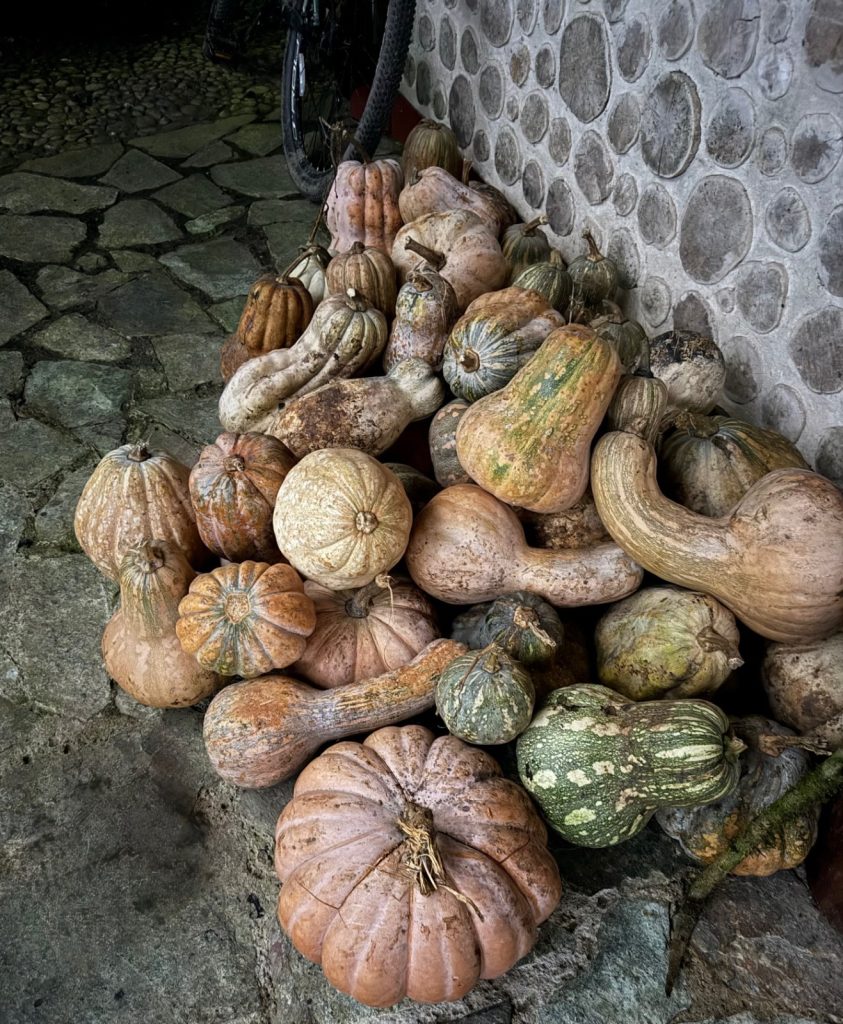
This year the gardens produced 8 full pick-up bed’s worth of pumpkin.

Ingredients:
1.5 Liters of pumpkin – chopped into bite sized pieces and boiled till almost done.
2.5 Liters of Hot Water (from boiling the squash or chicken broth)
2 Onions- Chopped
2 Garlic Cloves – peeled and chopped
2 stalks Celery – chopped
½ Tablespoon of Ground Cumin
1/8 Cup of Vegetable Oil
2 Pounds of Chicken – boiled in water with celery and additional onion, cut into bite Sized pieces
3 Sprigs of Thyme
¼ Tablespoon of Salt
¼ Teaspoon of Black Pepper
¼ Teaspoon of Nutmeg
Bundle of Cilantro
Avocado
Toasted Pumpkin seeds

Directions:
1. Chop pumpkin into bite sized pieces and boil till almost soft.
2. In a frying pan, add vegetable oil and fry onion, garlic, celery, and cumin.
3. Put everything in a large soup pot and add seasonings.
4. Cook until pumpkin is soft.
5. When ready to serve, top with chopped cilantro, avocado, and pumpkin seeds.

Year in review 2020

2020 Year in Review

As we approach the end of 2020, we at Community Cloud Forest Conservation, are thankful for enthusiastic leaders, eager students and encouraging support. Continue reading or click one of the links listed below to jump to a section.

Our 2020 Team

Off campus work during Covid-19

WALC Scholarships

A Gift of Trees from Dining For Women

Clean Cooking Initiative

On-campus life during Covid-19

Back-to-back Hurricanes in November

Reforestation

Ending 2020

Between January and mid March of 2020, 824 students and teachers participated in CCFC environmental education programs, a first quarter record!
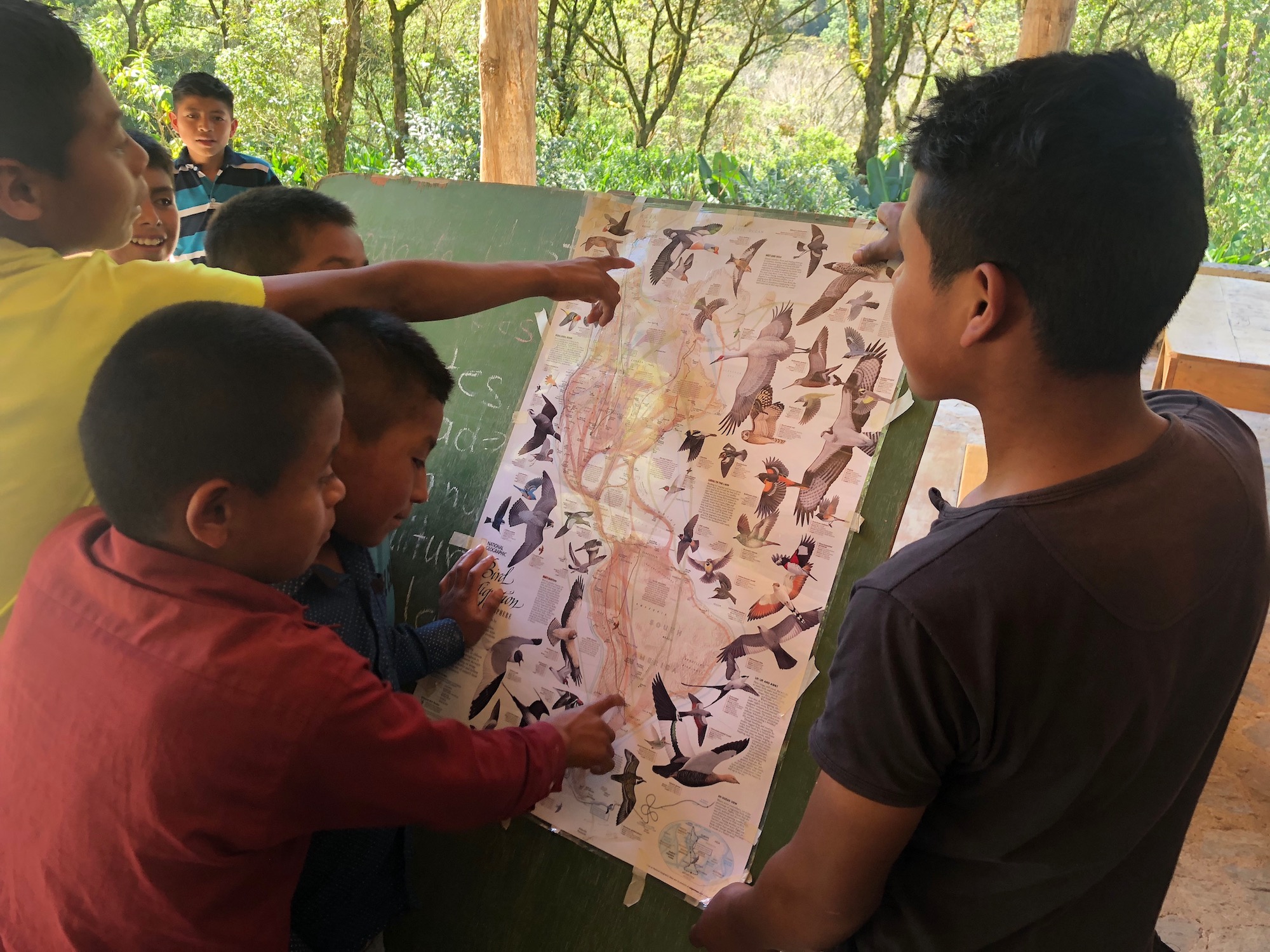
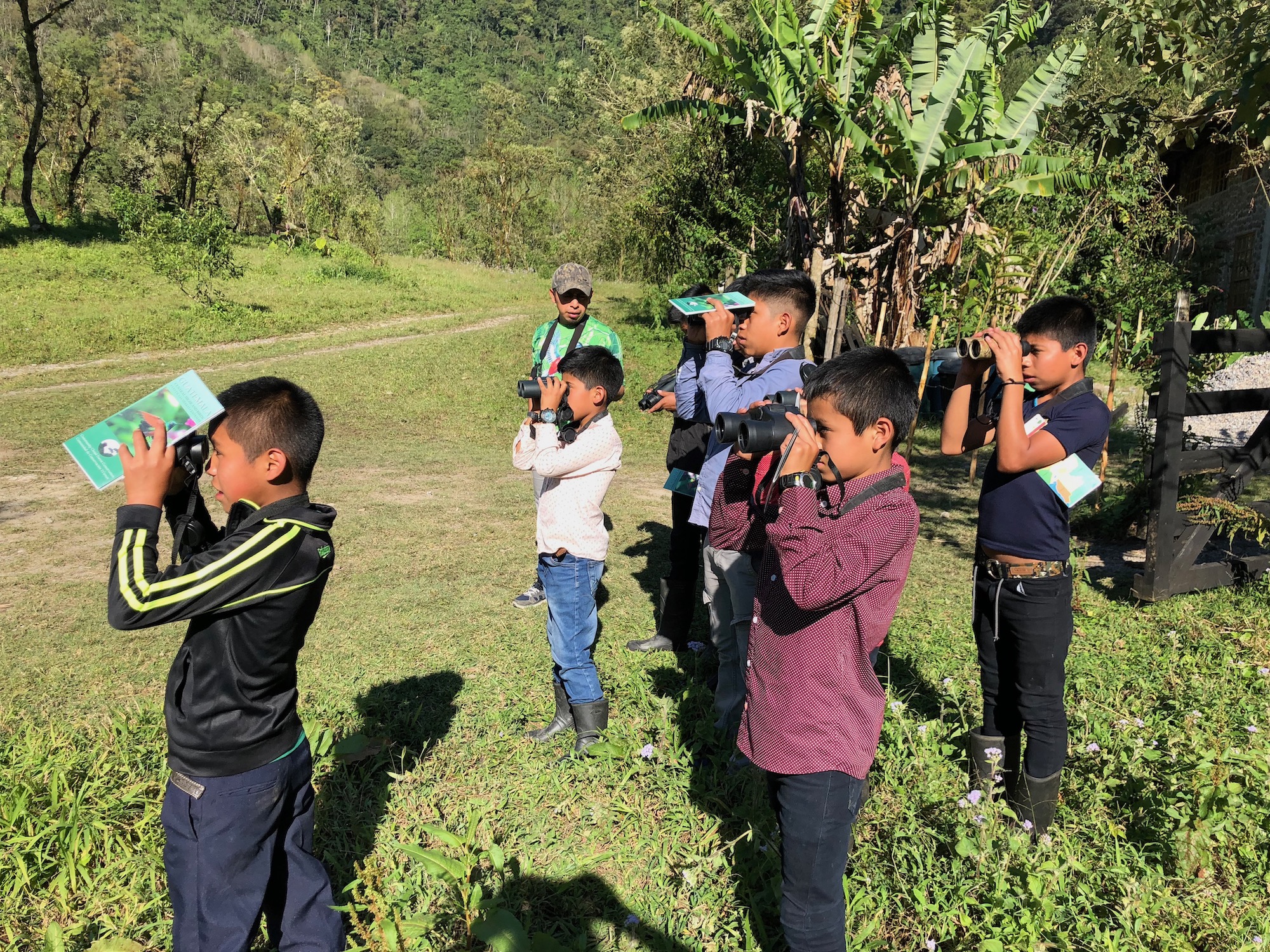
Children got outside and in close contact with birds.
Students from primary schools, middle schools, high schools and universities explored their connections in a world of life.
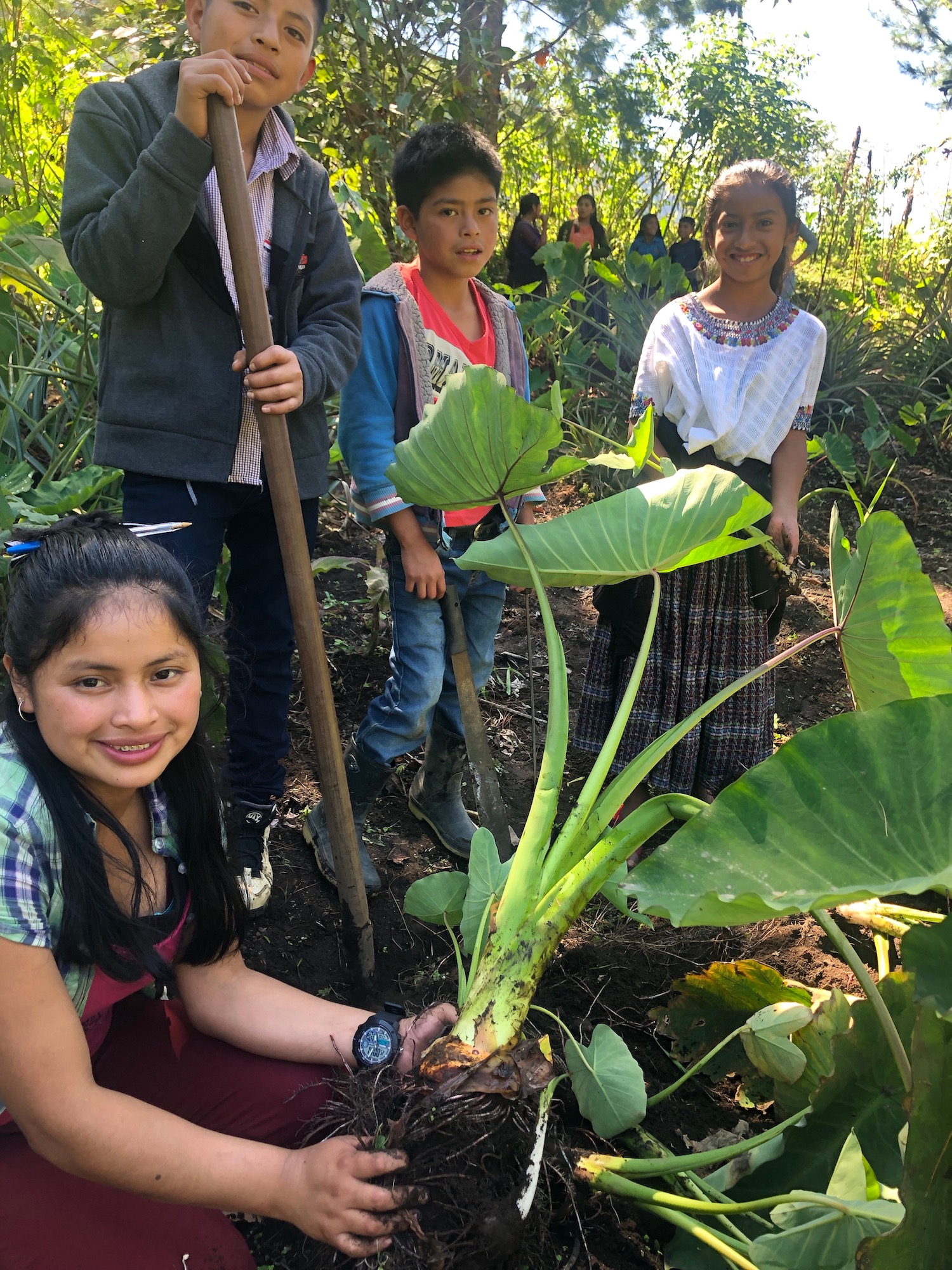
Primary students planted trees and and traditional crops in an agroforest parcel.
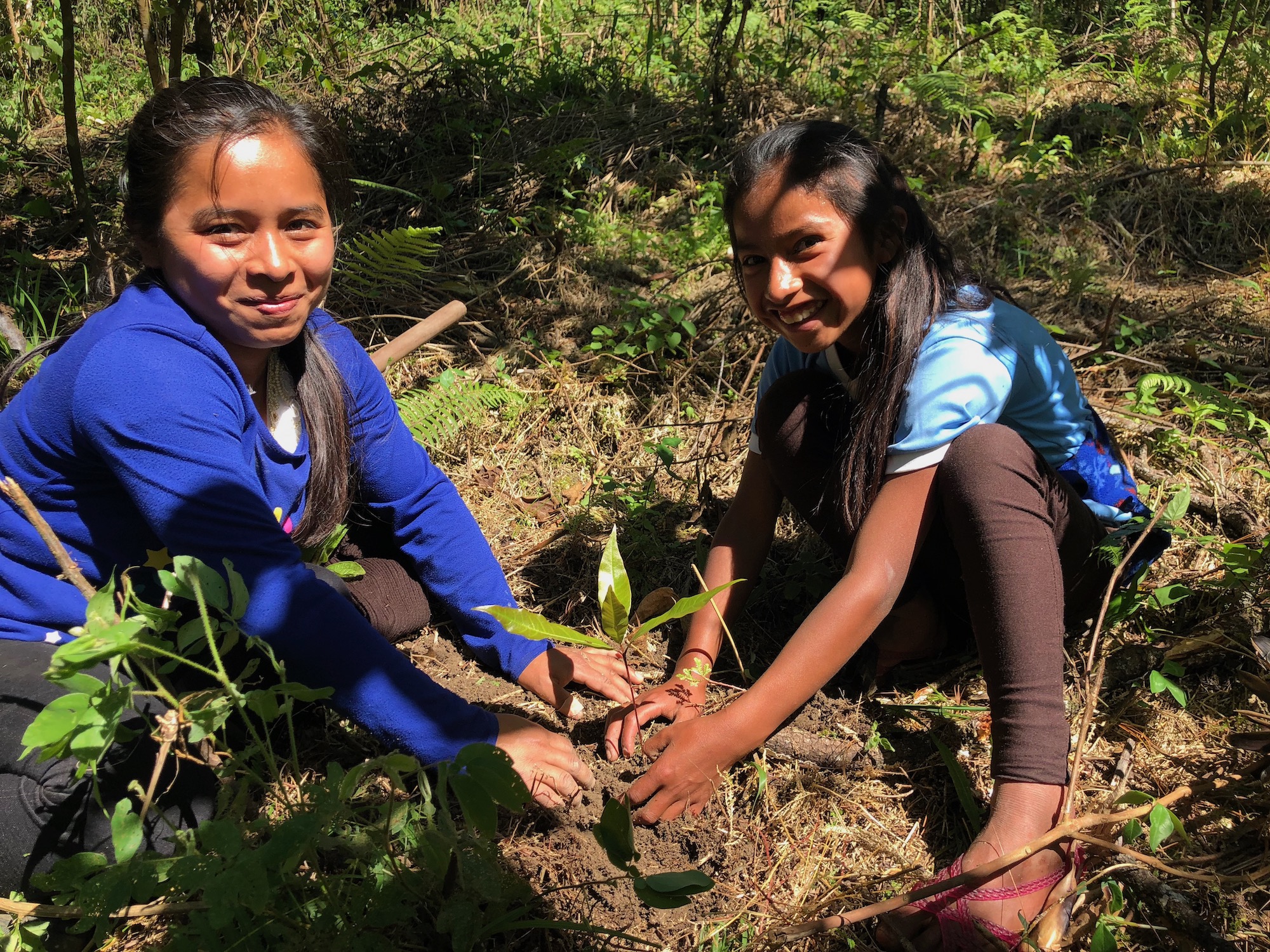
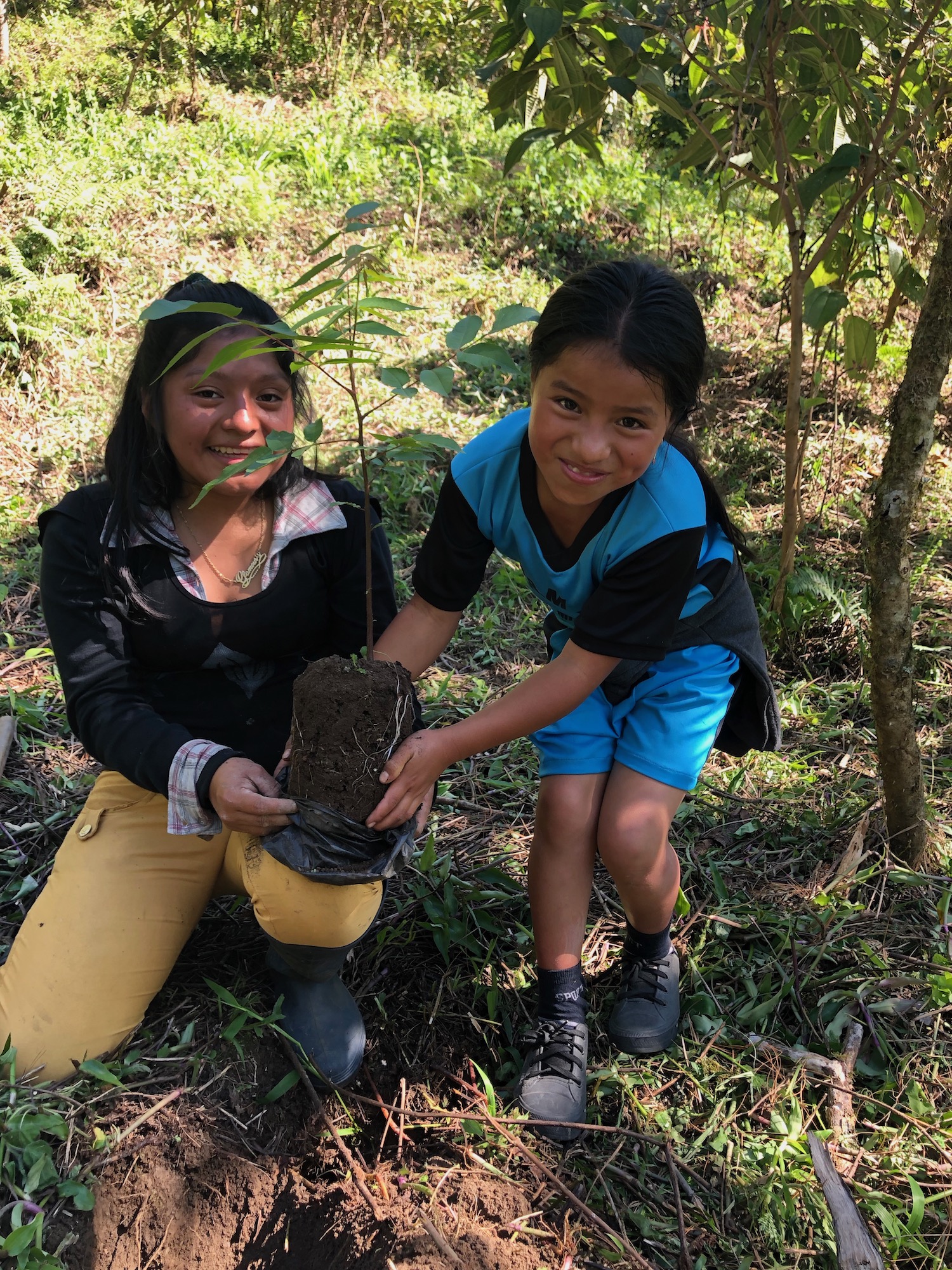
Children shared the joy and wonder of planting trees.


Our 2020 Team

Dedicated and creative CCFC Advanced WALC Interns made the year a successes. We began 2020 with 20 young women interns, all alumnae of the WALC program. We are thankful that, most overcame COVID challenges to complet another year of university or high school studies.
Rudy René Botzoc Caal shared his enthusiasm about birds and for conservation with Kids and Birds students and with families in the villages where he completed his senior university practicum in Environmental Management.
Mirna Xuc Caal and Estela Bo Tec taught ecology of agroforest parcels to high school students .


CCFC’s off campus work during the Covid-19 pandemic

We are thankful that, despite closing CCFC on-campus programs mid-March, many Advanced WALC Interns continued to work as part of the CCFC team. Some did follow-up interviews with WALC students in their villages throughout the 2020 school year.
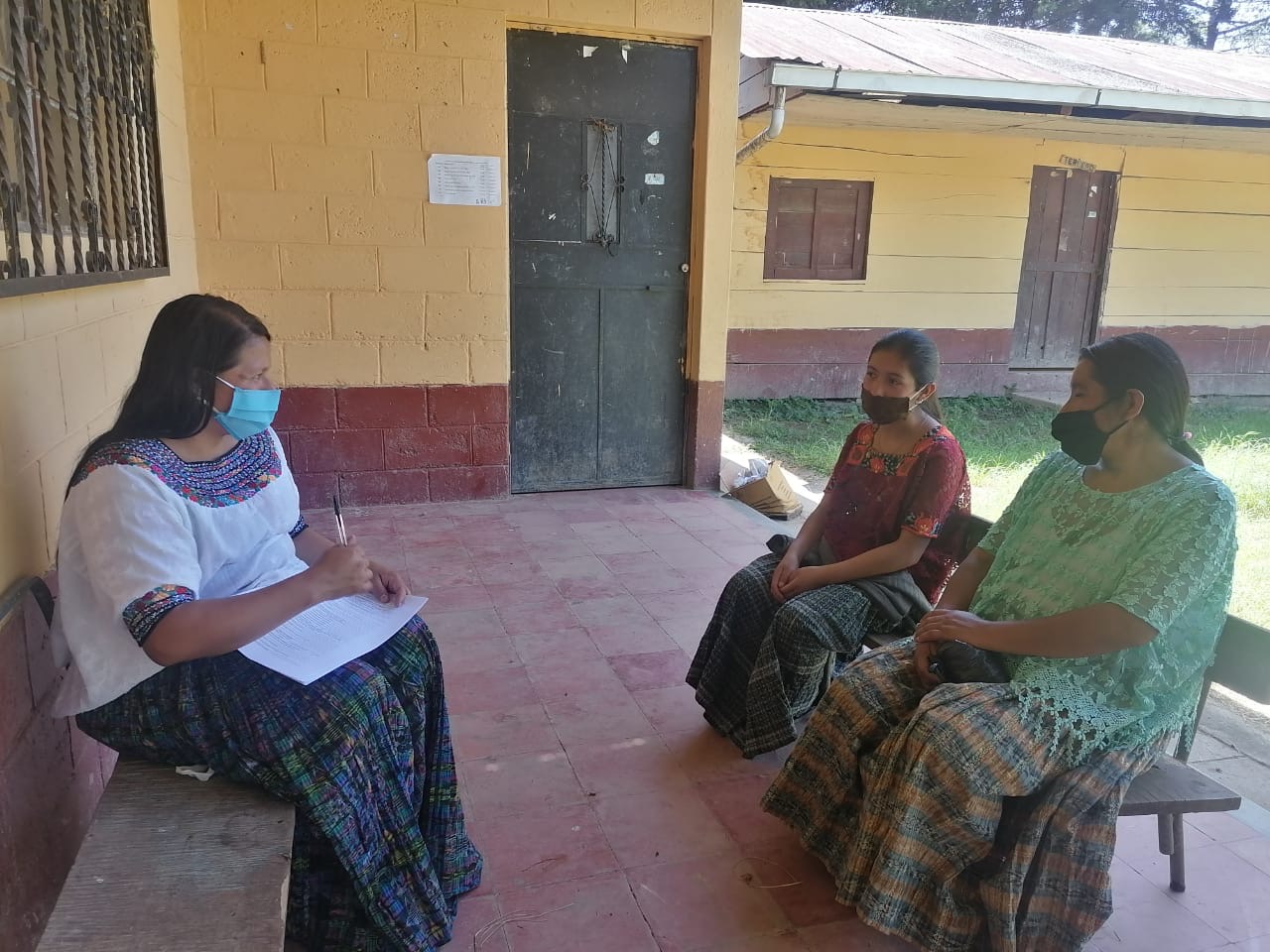
We are amazed that of 219 students who participated in the fall of 2019 WALC program, 212 continued to study through the end of the school year 2020, despite the challenges of distance learning. Only 3.2% quit studying! Remarkable, given that, during a normal year, the school drop out rate for WALC students is 5%, while 75% for other girls in their villages.
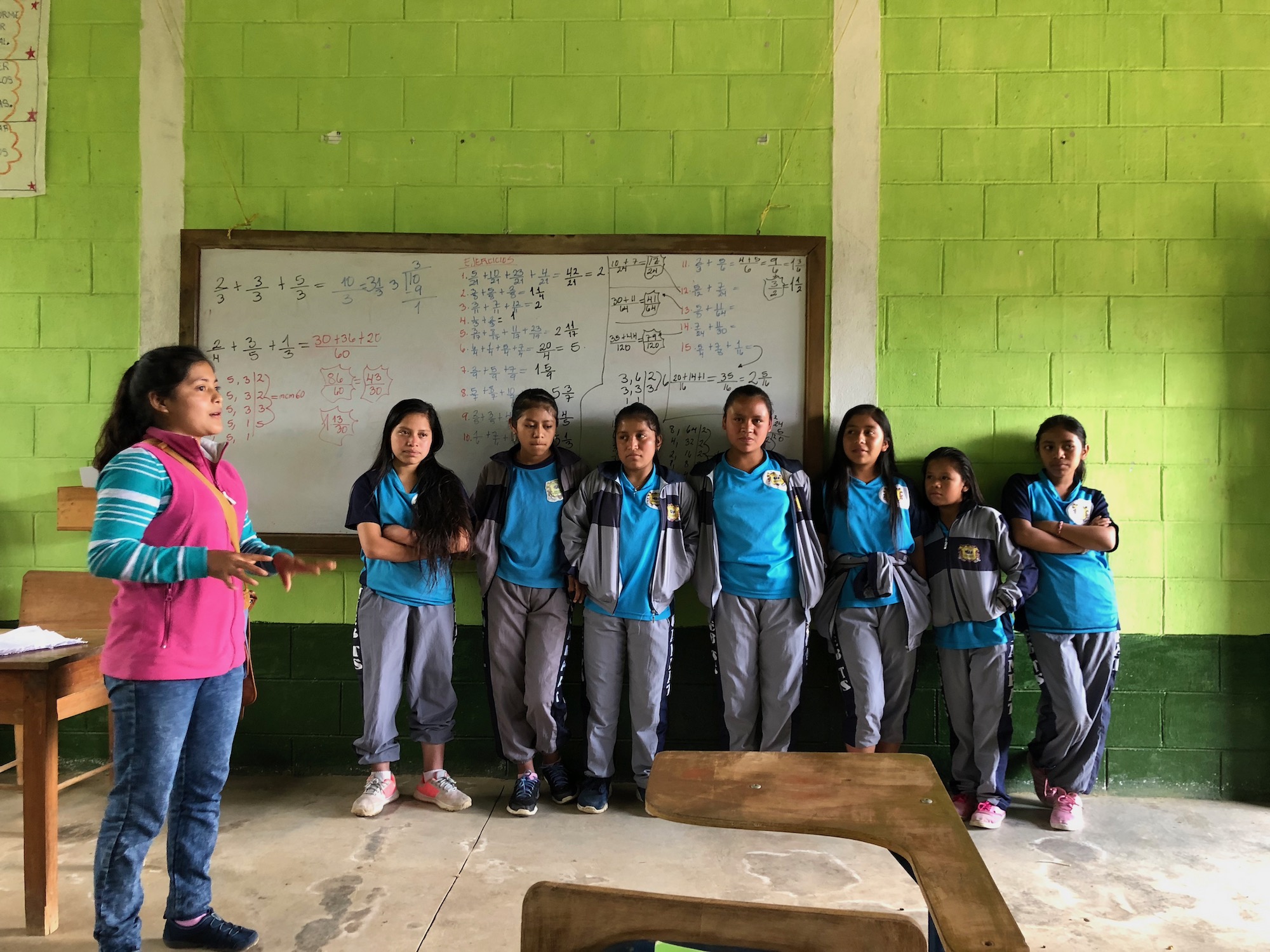
WALC Scholarships

We are thankful that during 2020 CCFC provided Q346,616.00 (nearly $46,000 in U.S. dollars) in scholarships to support 188 WALC students who met all program requirements. Normally, CCFC hosts a scholarship awards celebration in Cobán. This year scholarships were given in the villages by check and direct deposit. Thank you for supporting women’s education!
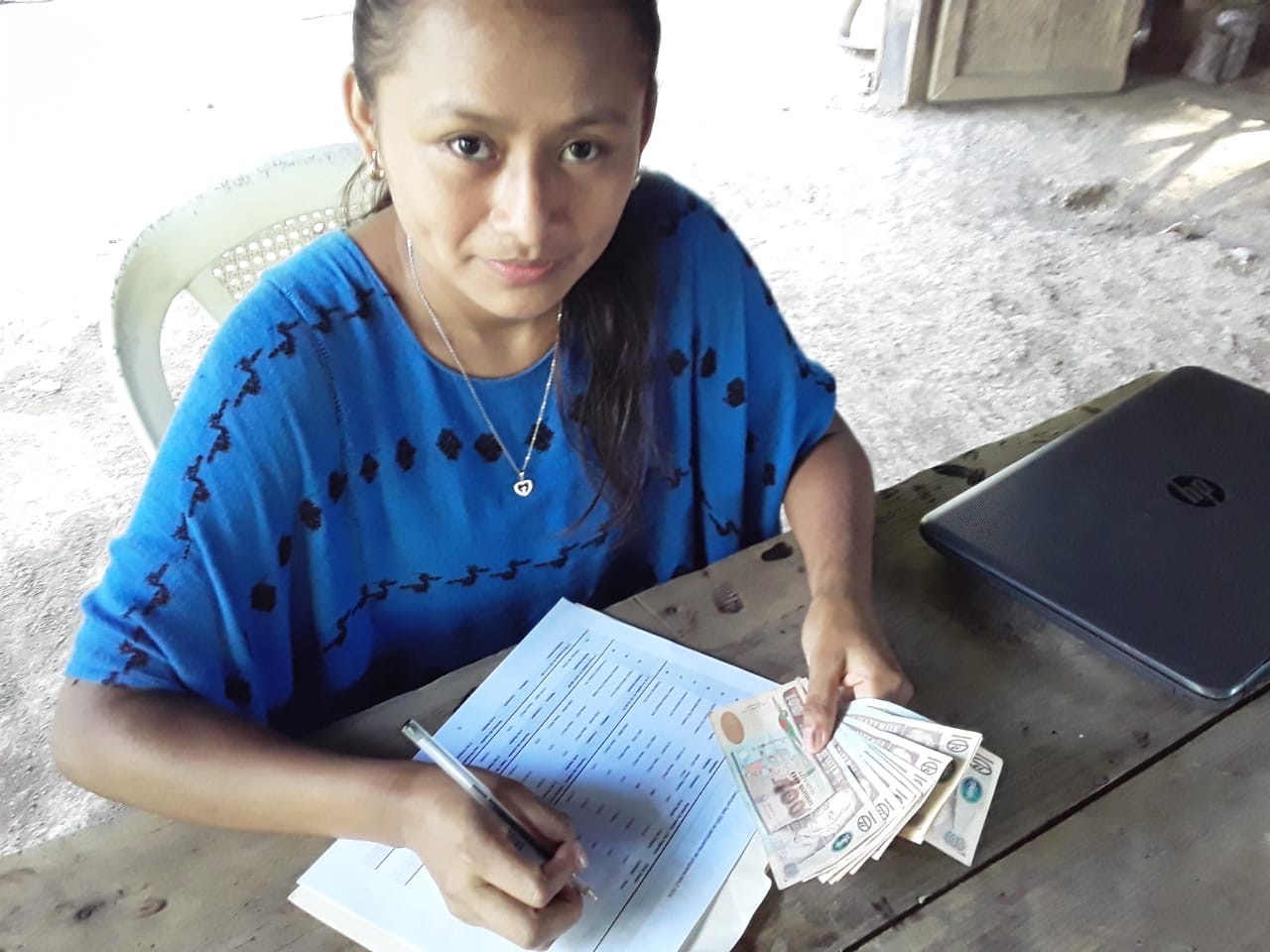
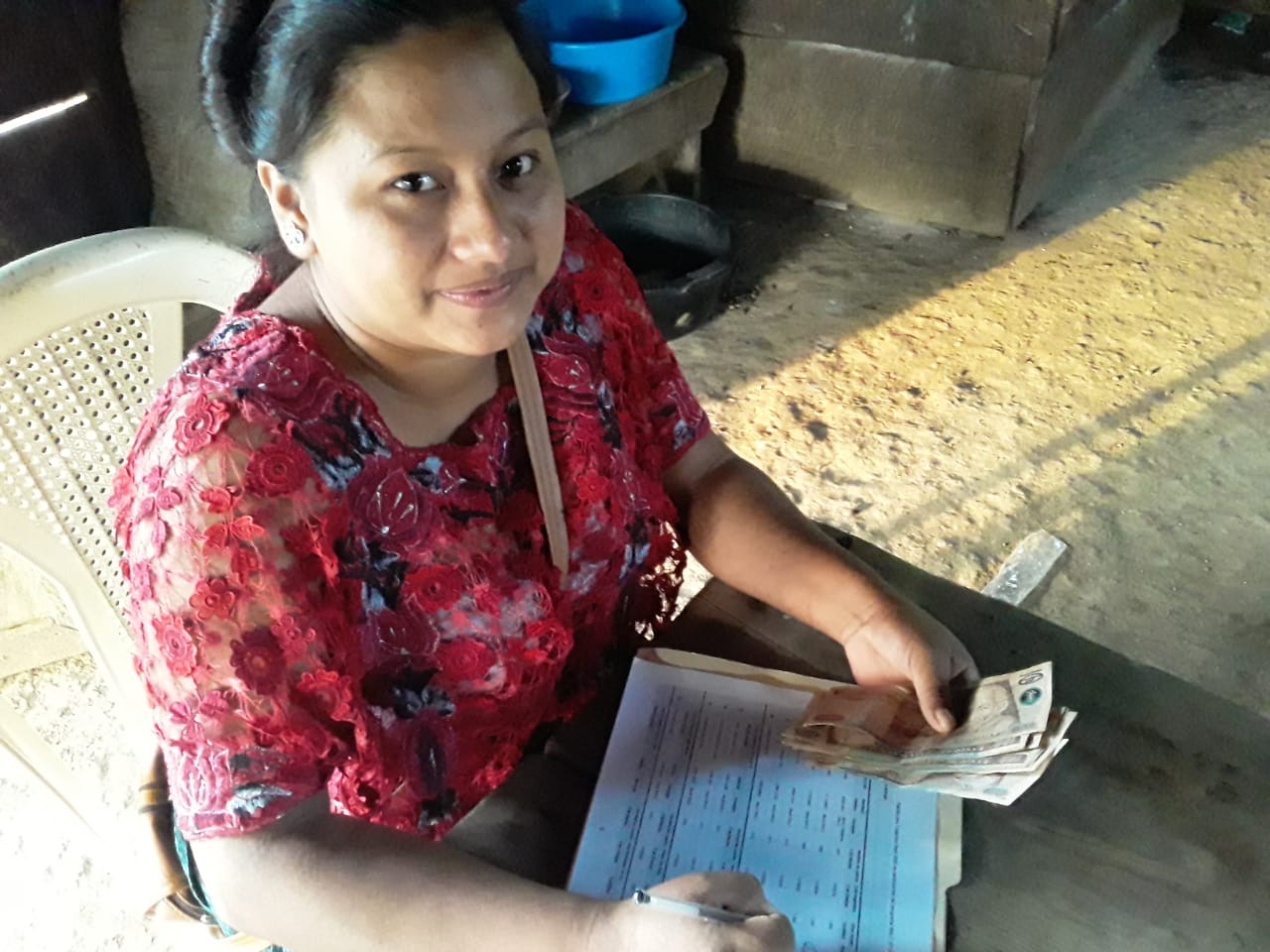
We are thankful for the social media network WhatsApp that kept us in contact with the majority of this year’s 219 WALC students. We formed a chat group for each WALC session, through which students kept in touch with each other, encouraged one another, celebrated victories, and shared challenges.

A Gift of Trees from Dining For Women

Thanks to supporting partner Dining For Women, we gave 500 more fruit trees to WALC students for their forest gardens.
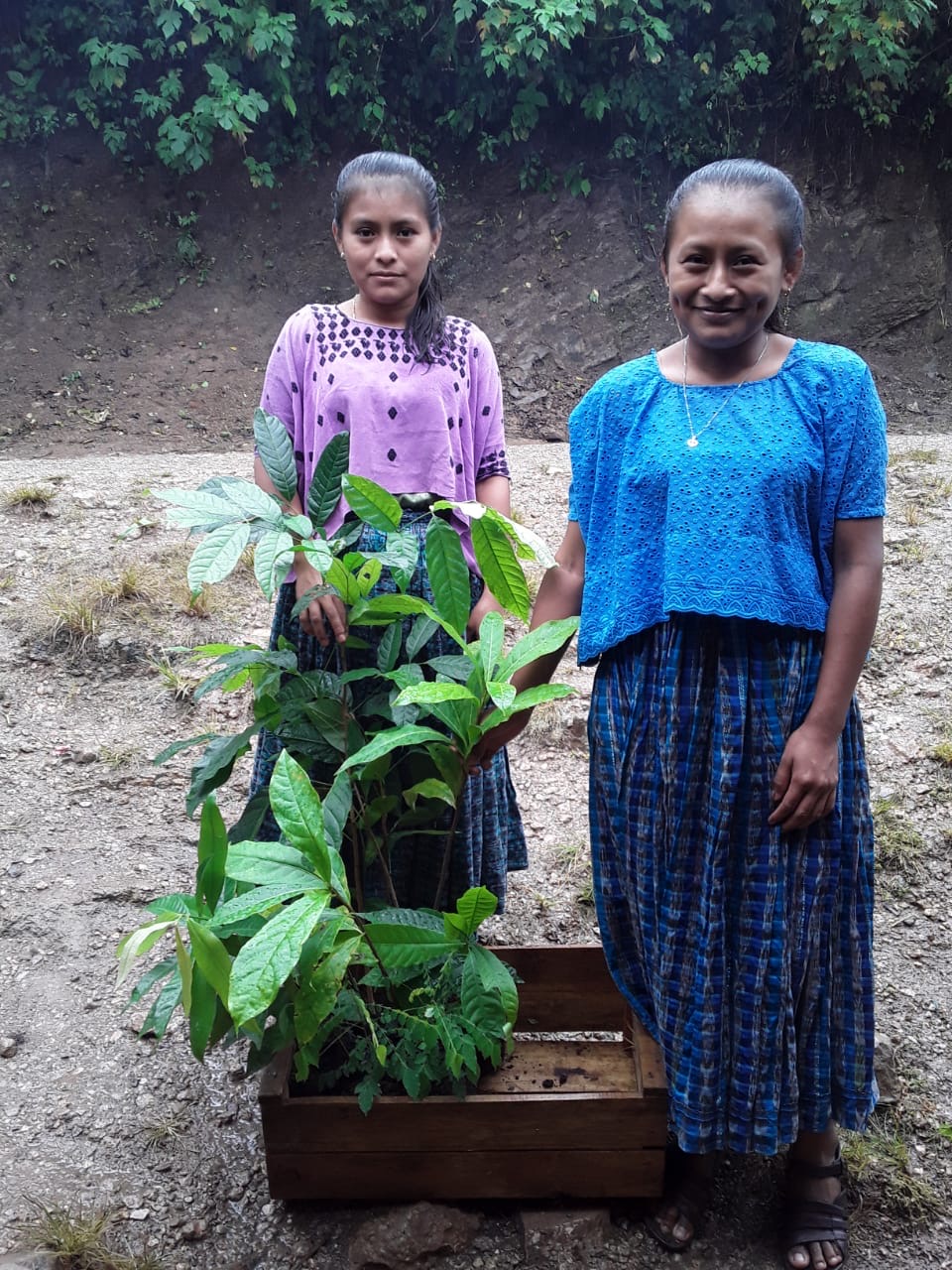
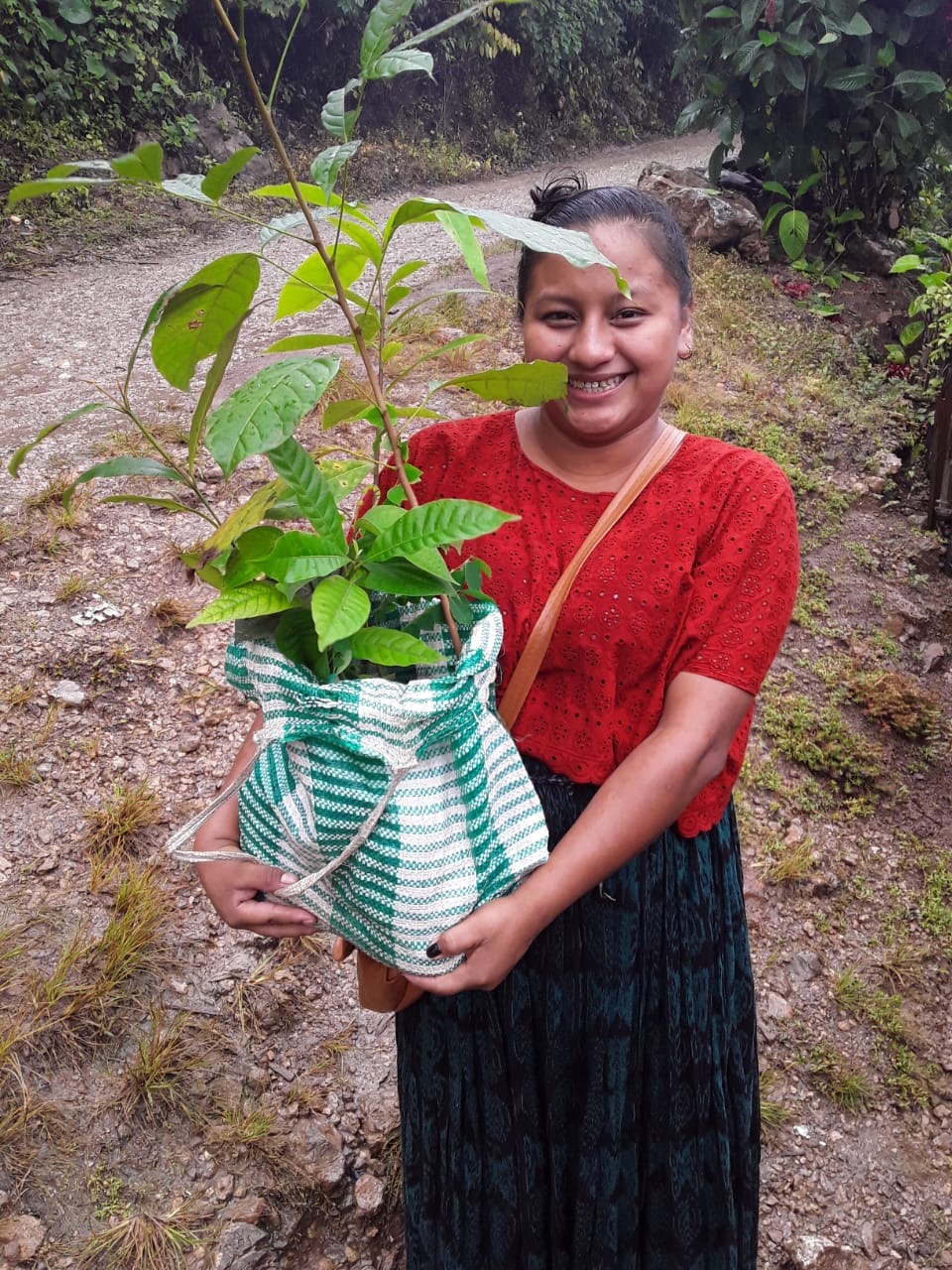
Here’s a fun video clip from giving the fruit trees:

video clip trees for Cahabon

Clean Cooking Initiative: cook stoves improve family health and save fire wood

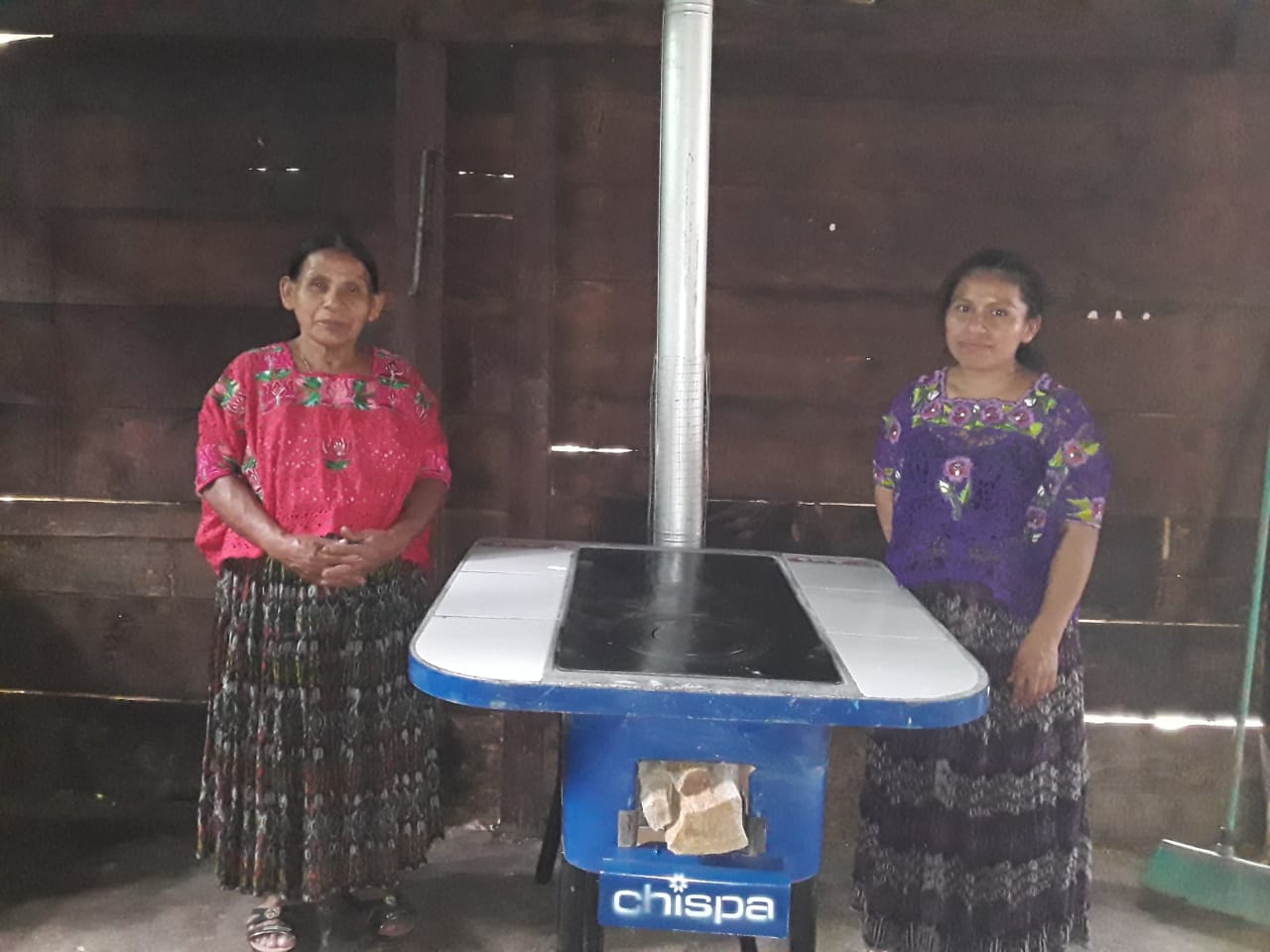
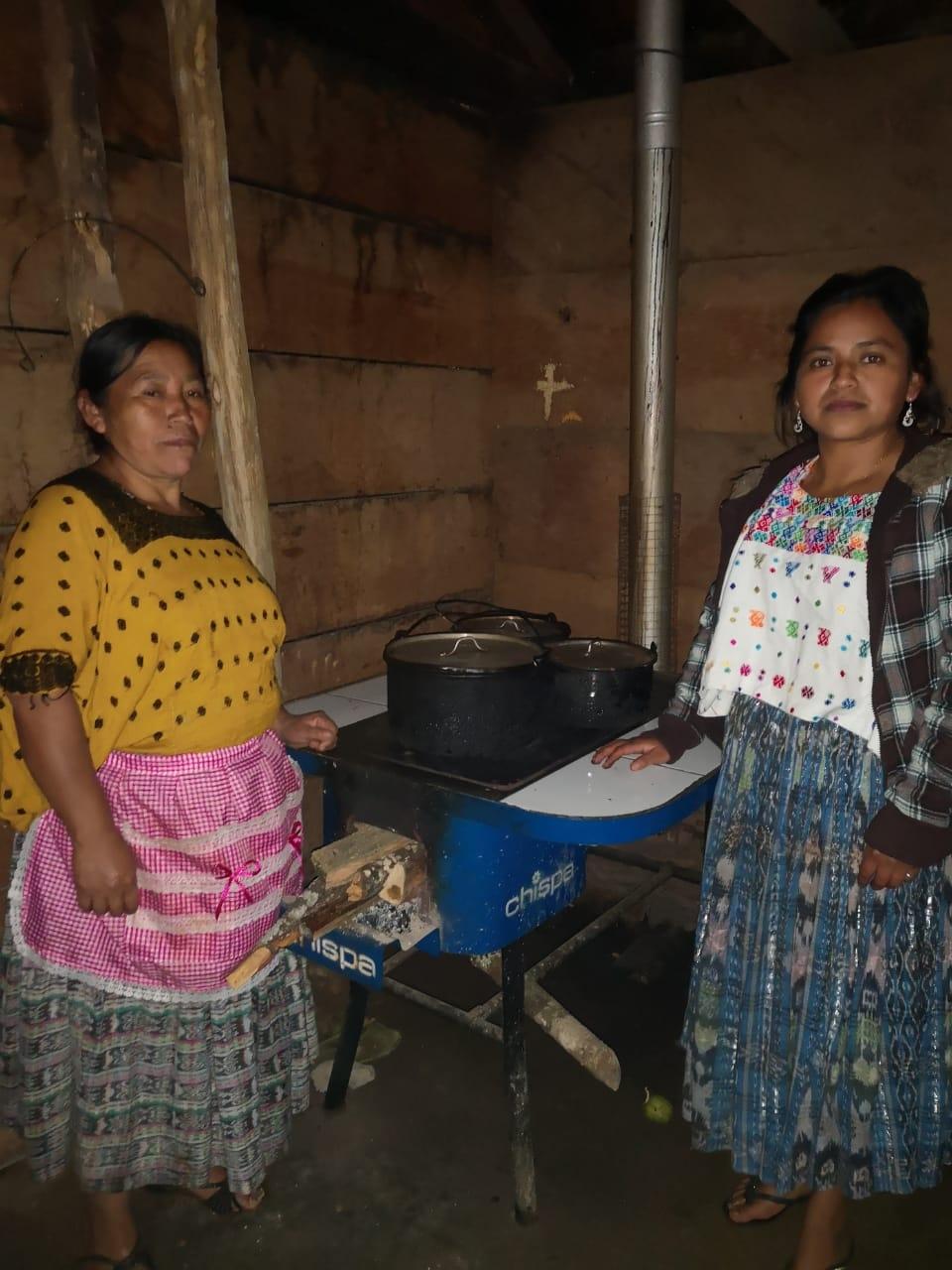
In the Verapaz of Guatemala, most families cook food on an open fire inside their kitchen. Women and young children in particular breathe smoke contaminated air. WALC participants learn to use improved stoves with chimneys that remove smoke from the kitchen, improving indoor air quality. Smoke free kitchens reduce transmission of airborne diseases that cause bronchitis, pneumonia and COVID. To date, we installed 12 stoves for WALC students’ families.  Thanks to your support, CCFC provided  a 25% discount on each stove purchased. More are being ordered for 2021.
Back-to-back Hurricanes in November

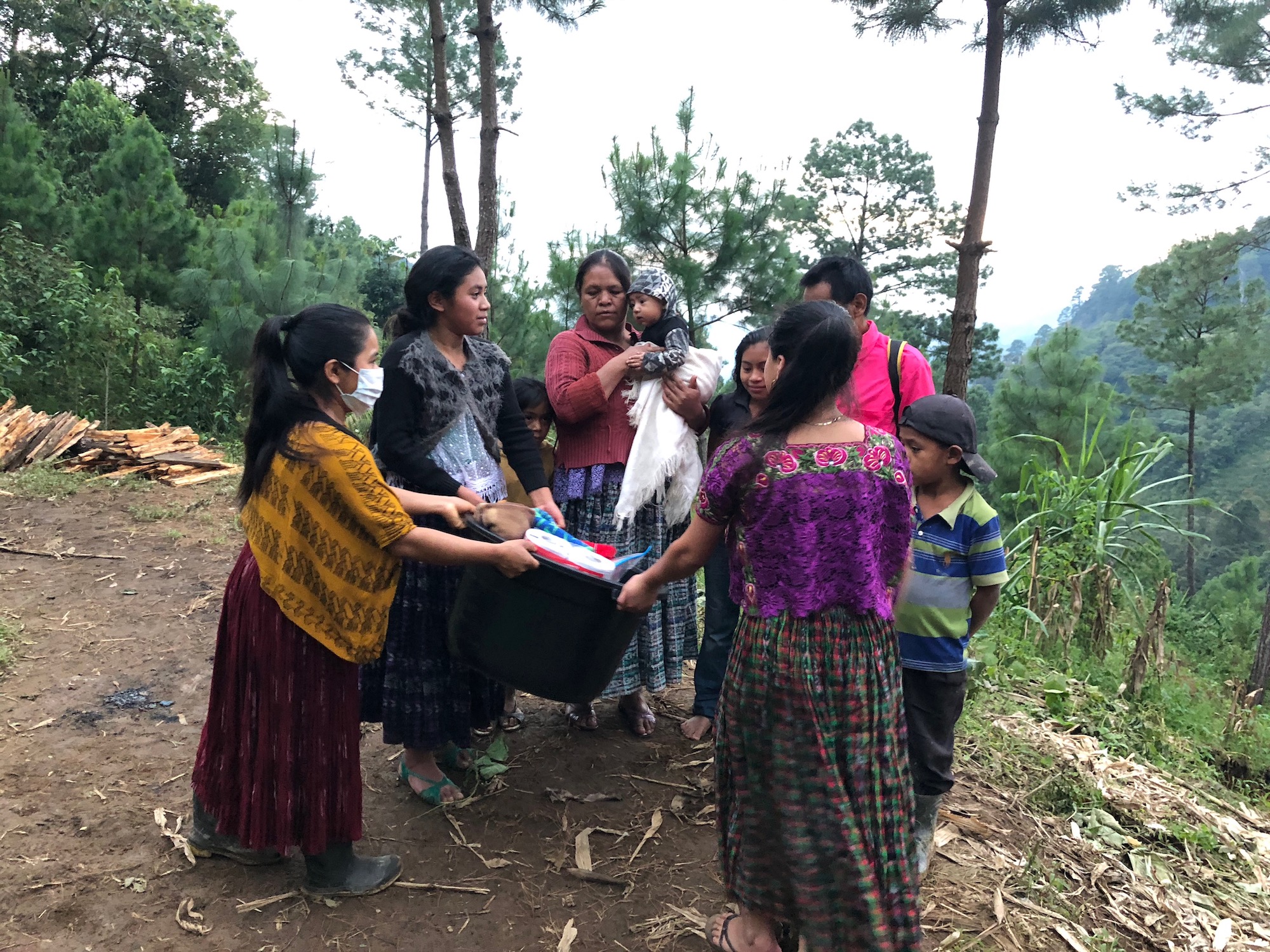
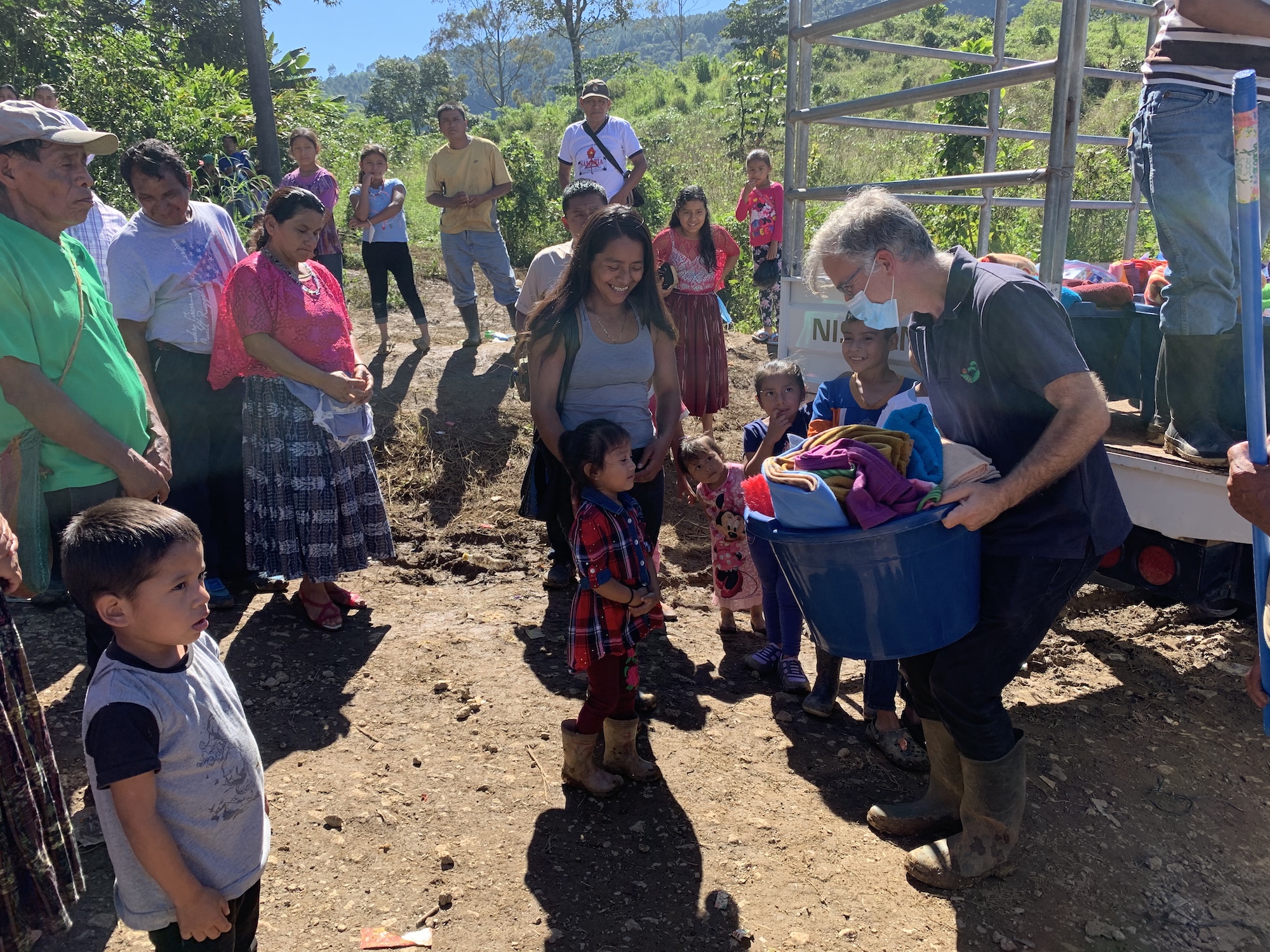
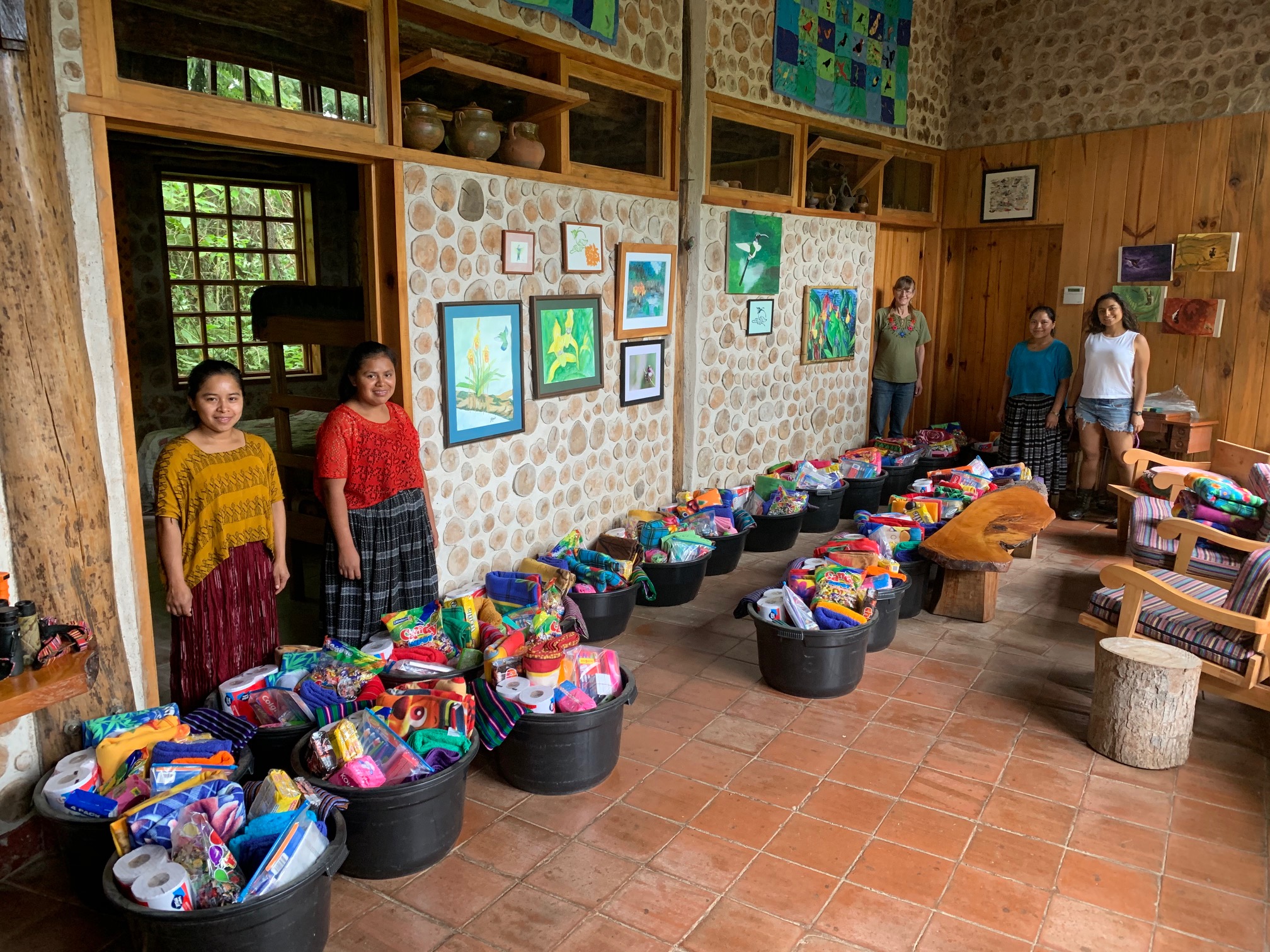
The WhatsApp groups were especially important after hurricanes Eta and Iota, because they allowed us to check in. Some WALC students’ villages were hit particularly hard. WALC interns helped us respond, distributing material aid to 74 families.
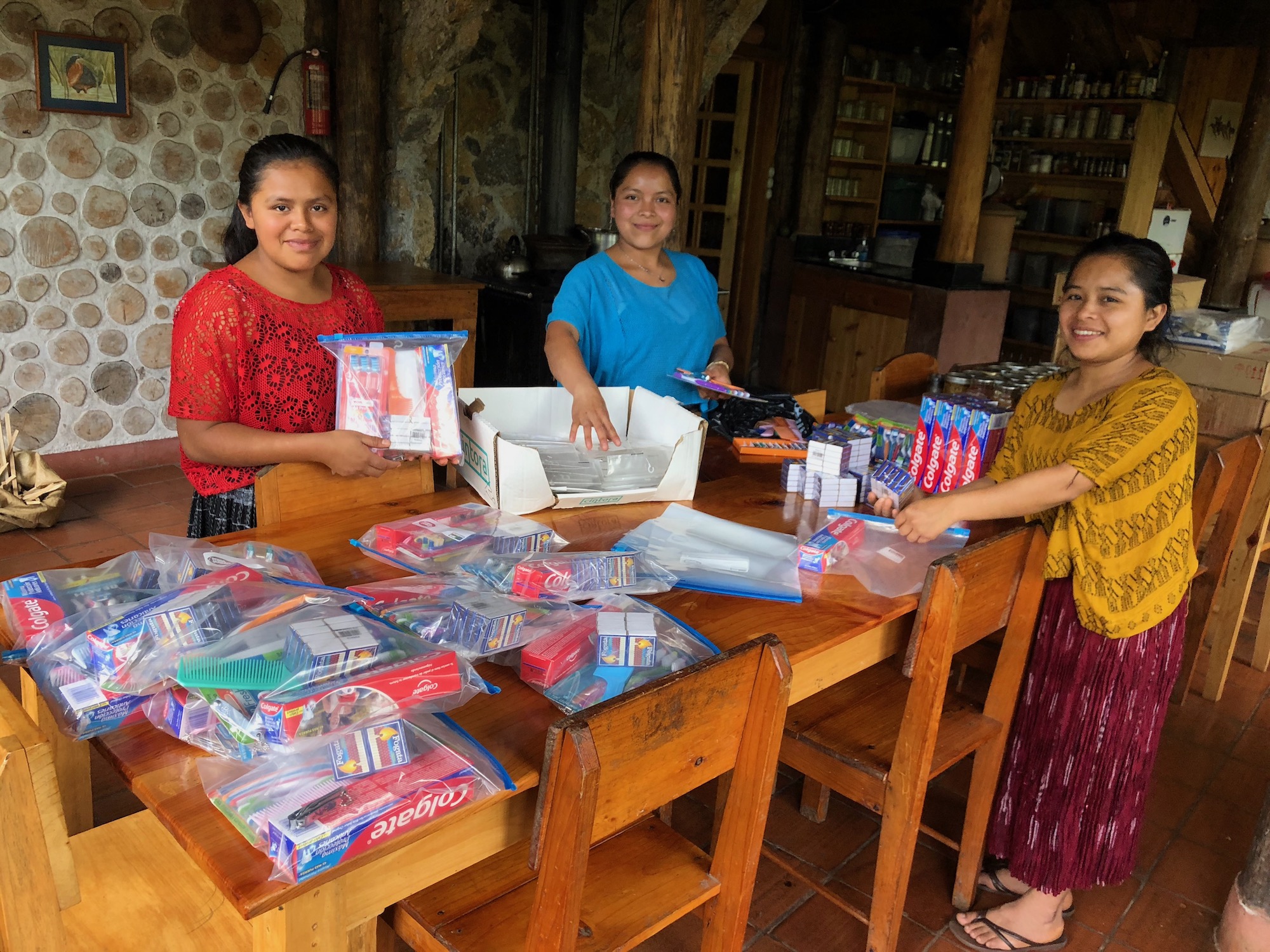
In the photo above Yolanda Cao presents a relief kit to the family of two sisters from the WALC program Lesbia and Lidia Cao Cao (no family relations to Yolanda).

Update:  December 24, 2020.   On the morning of Christmas Eve, we delivered hurricane kits to 48 families that were flooded out of their homes. The village of Chimote, Carcha met for a morning Christmas service and lunch. After the lunch we gave each of the 48 families a kit of essential items.
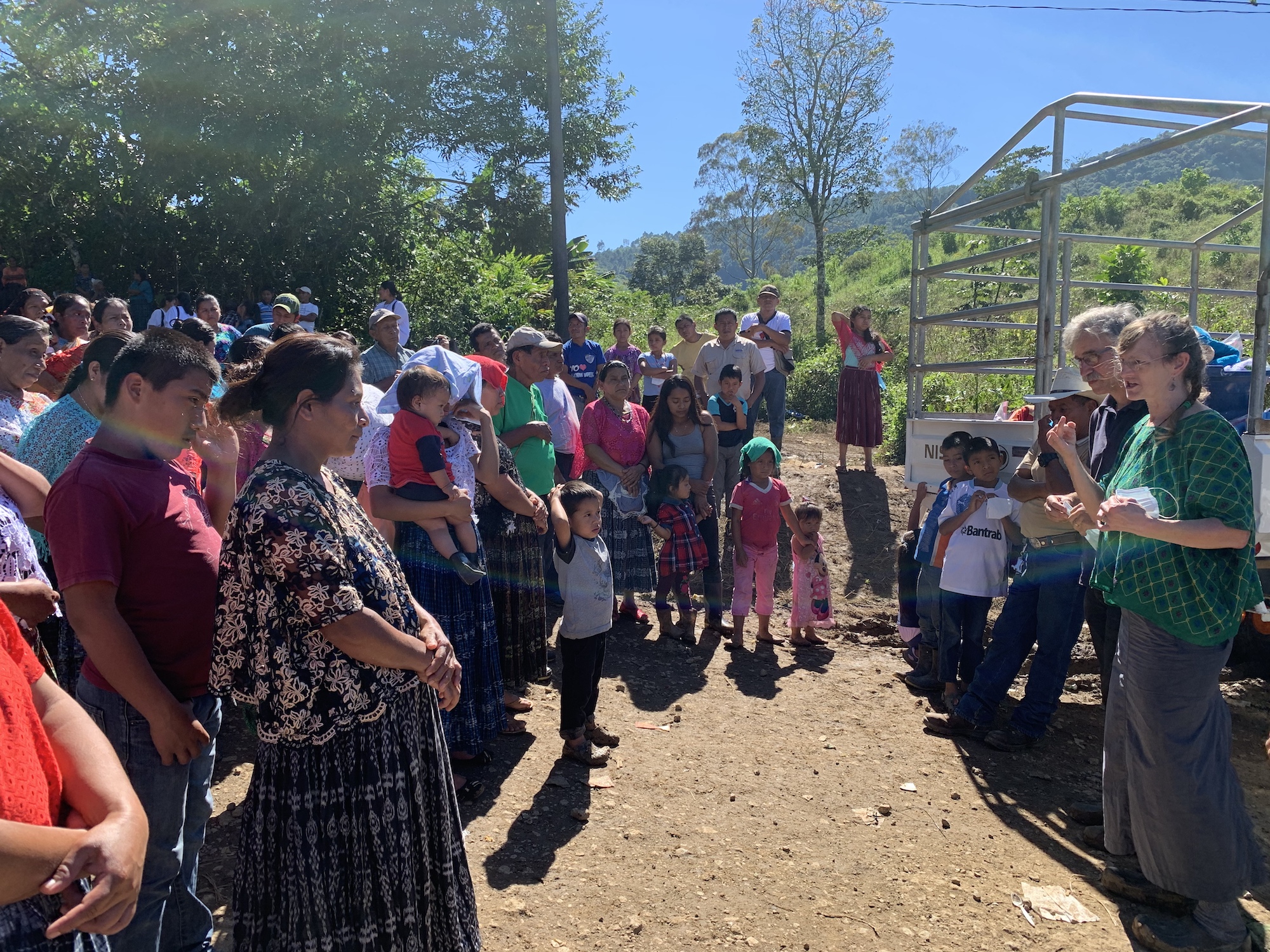
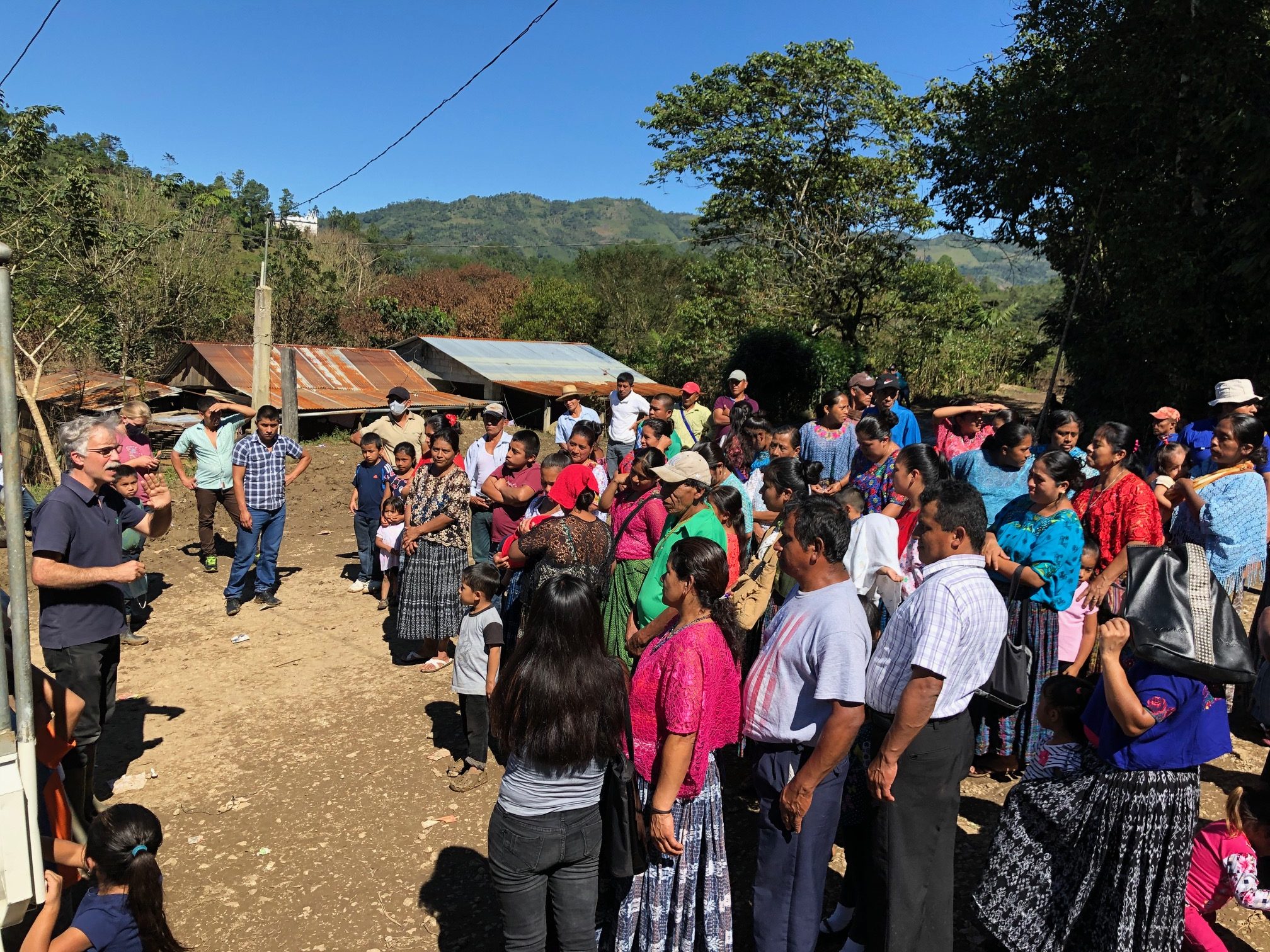
The homes of all 48 of these families were completely underwater, with the height of the water reaching several meters over their roof tops.
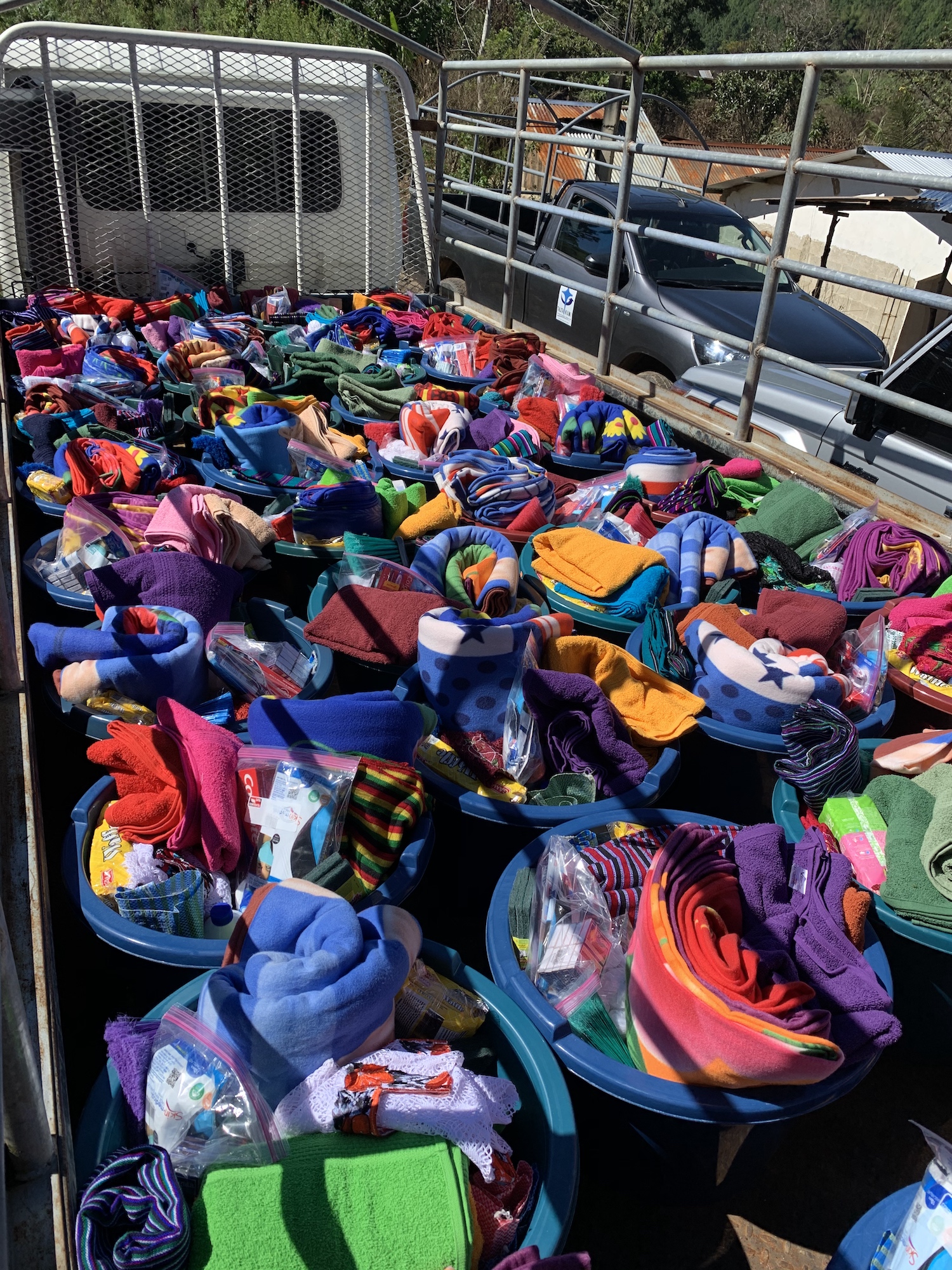
In total we purchased items, assembled into kits and distributed the kits to 74 families.


CCFC on-campus life during Covid-19.

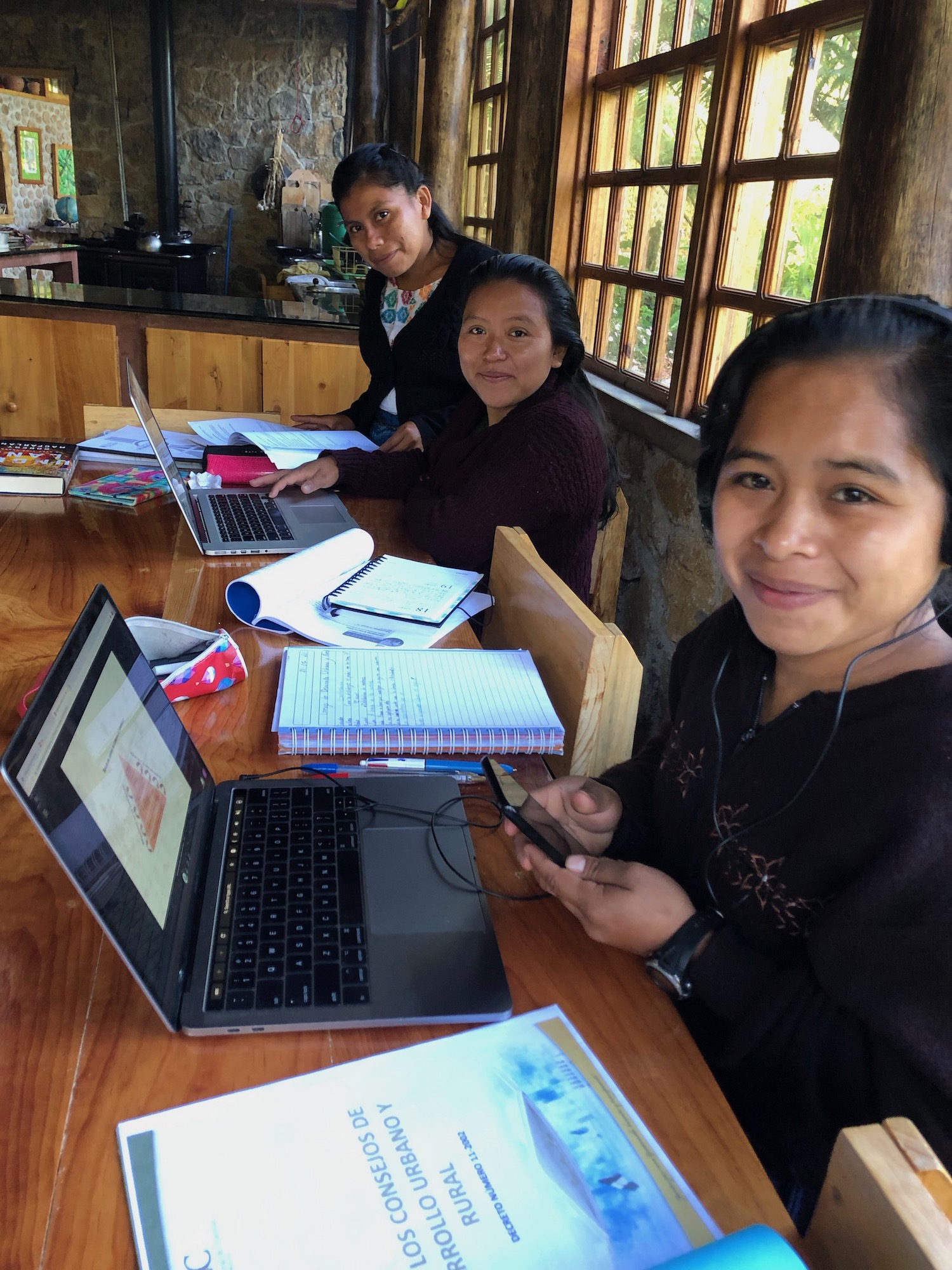
We are thankful for Advanced WALC Interns who chose to complete their internships in quarantine at CCFC campus, to work on the CCFC agroforest parcels and to study on line university and high school throughout 2020.
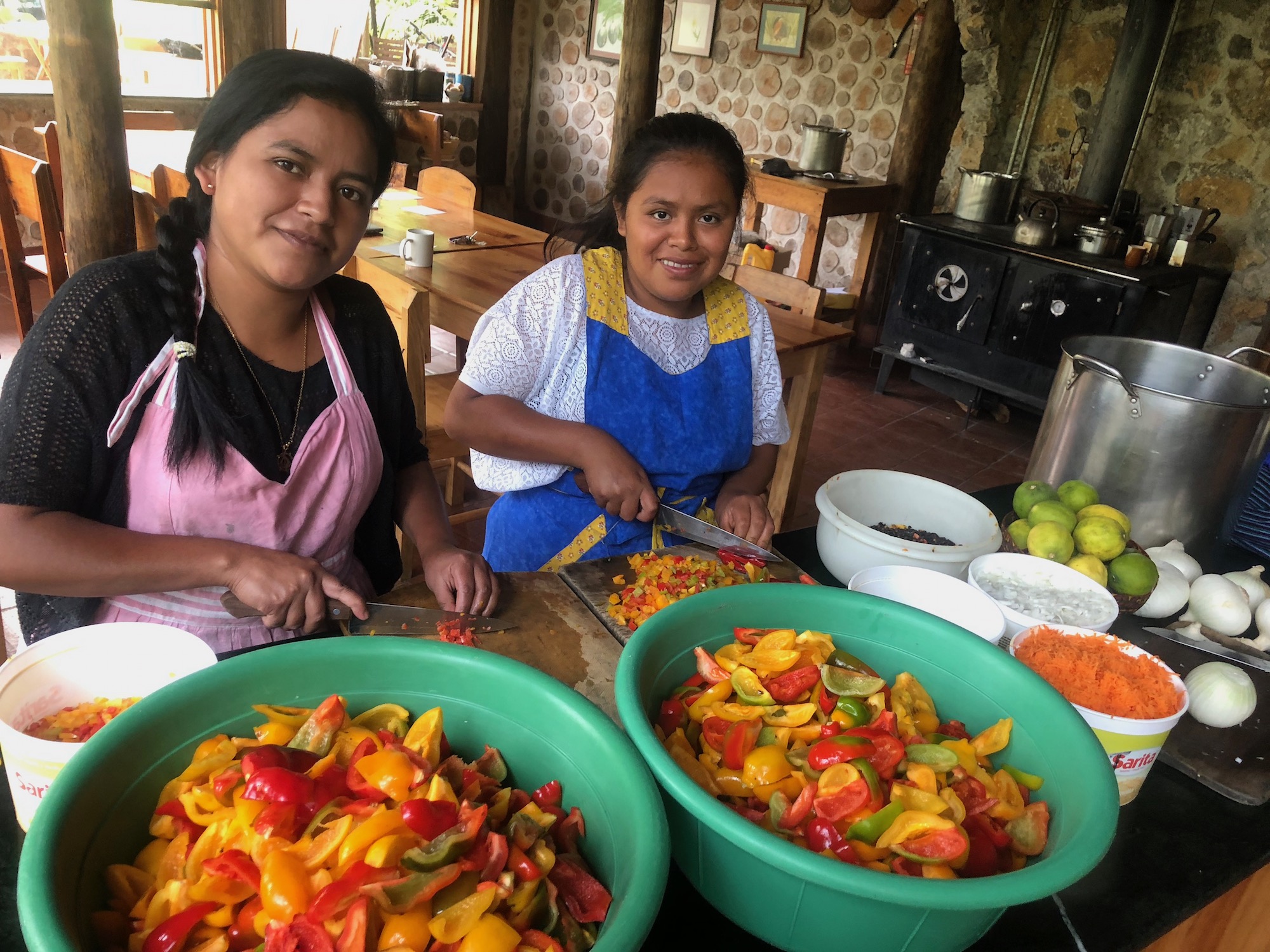
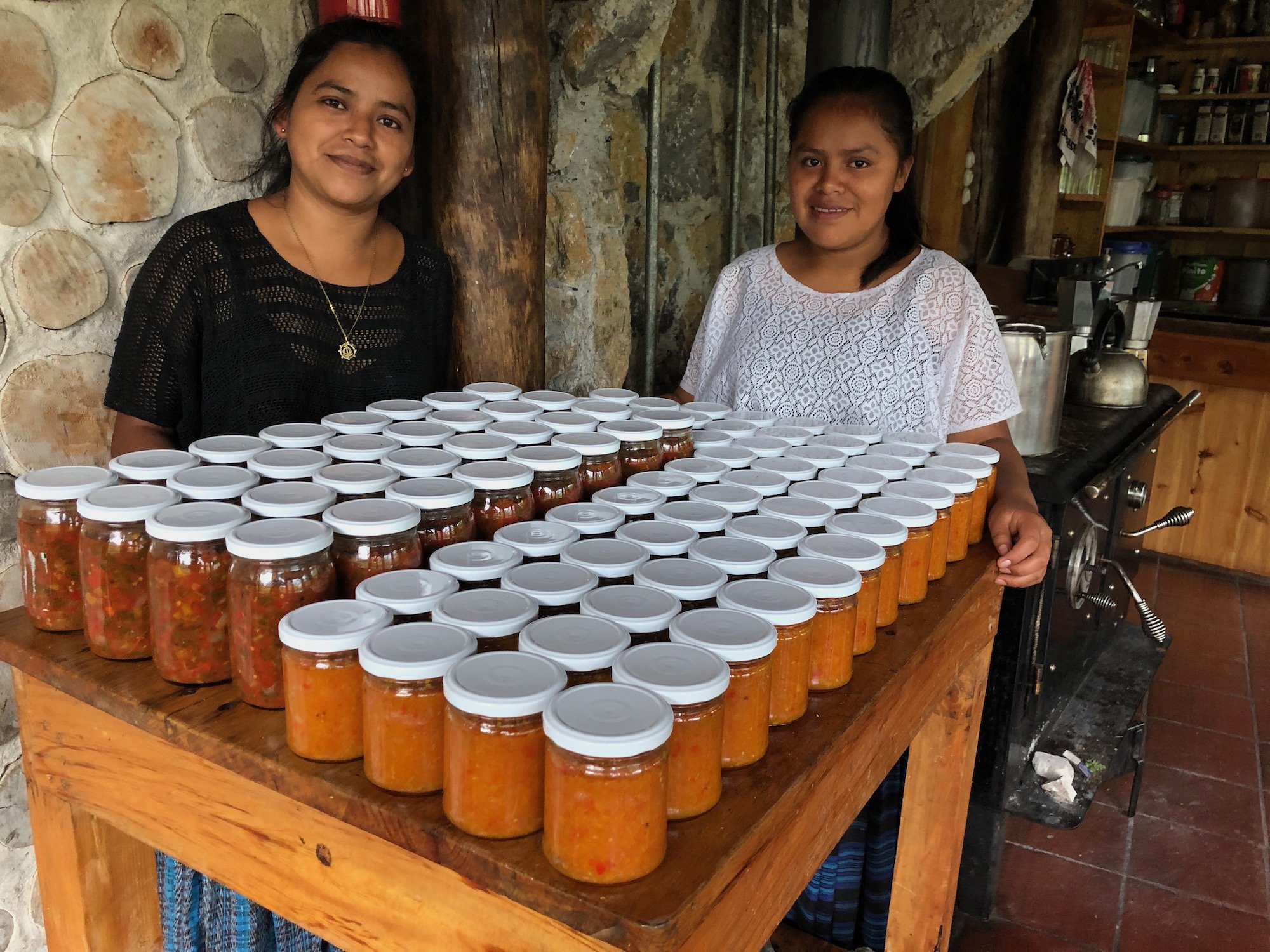
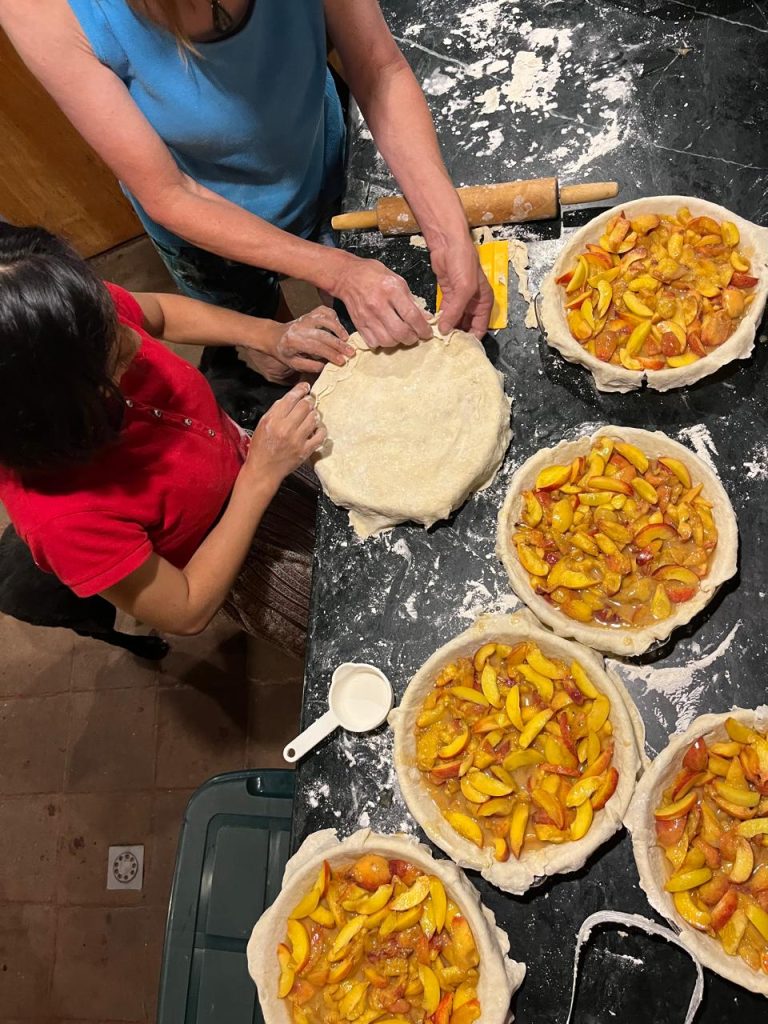
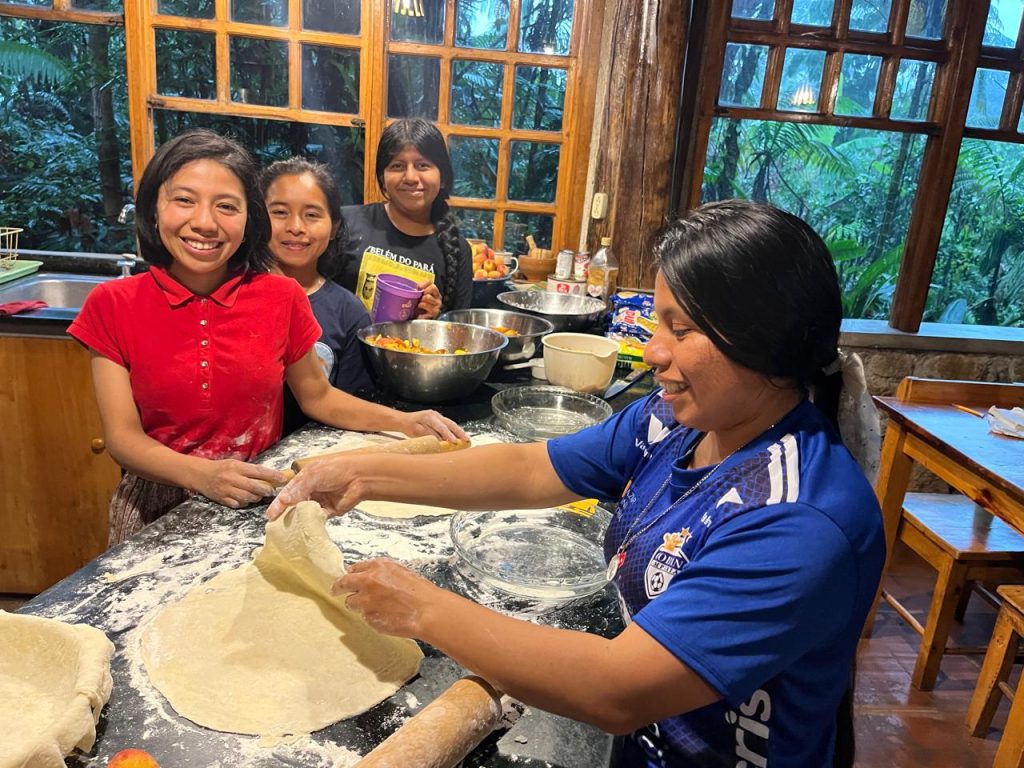
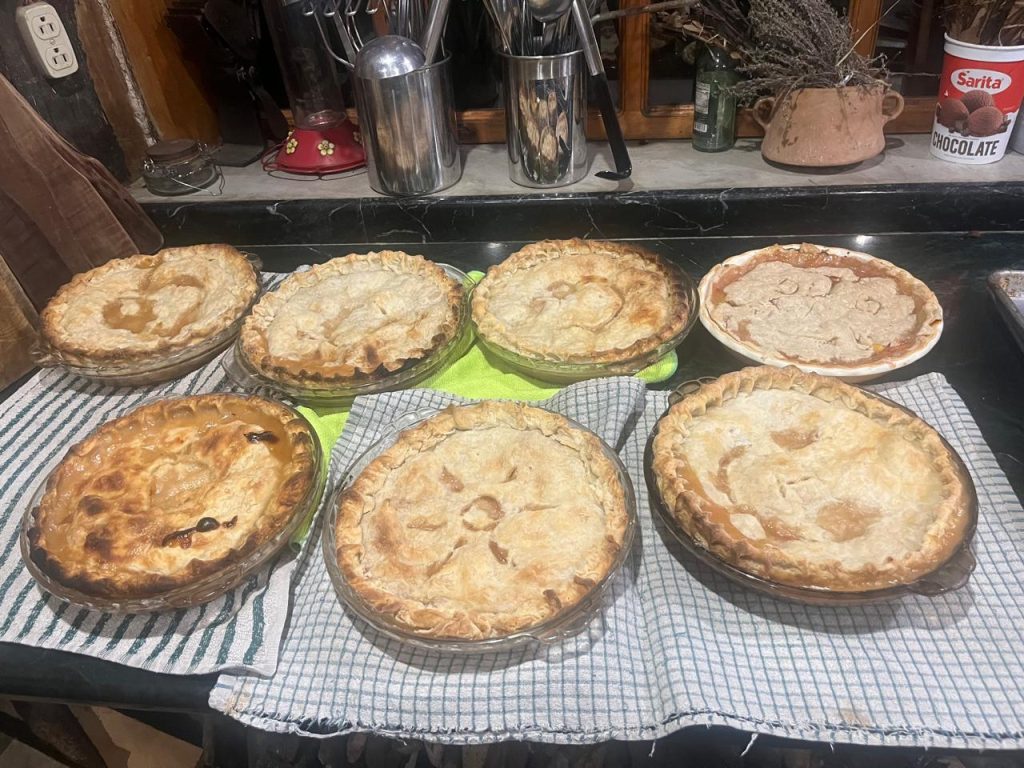
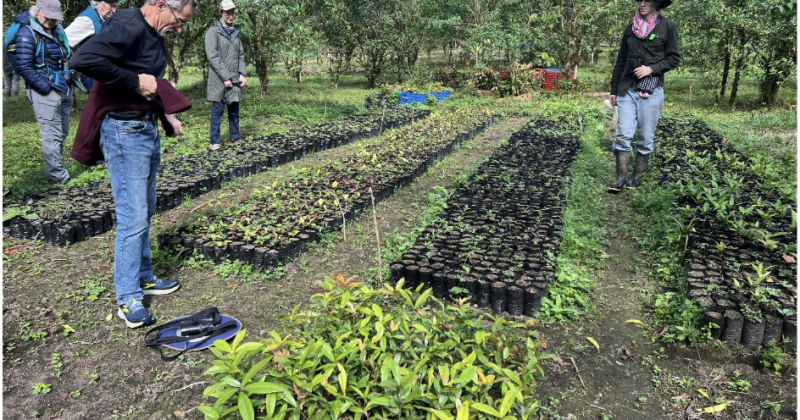
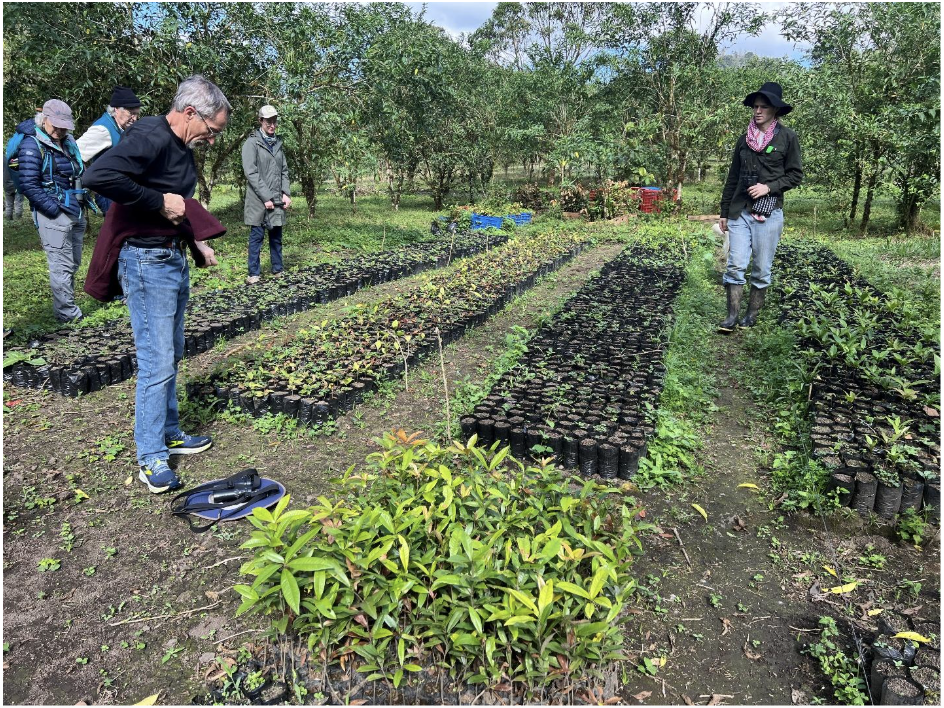
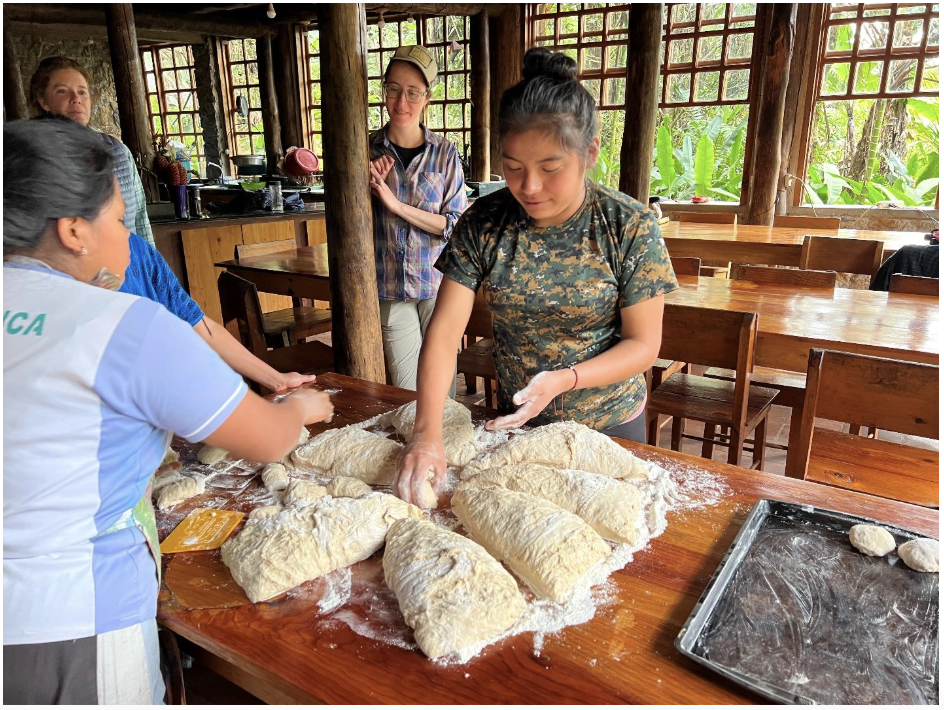
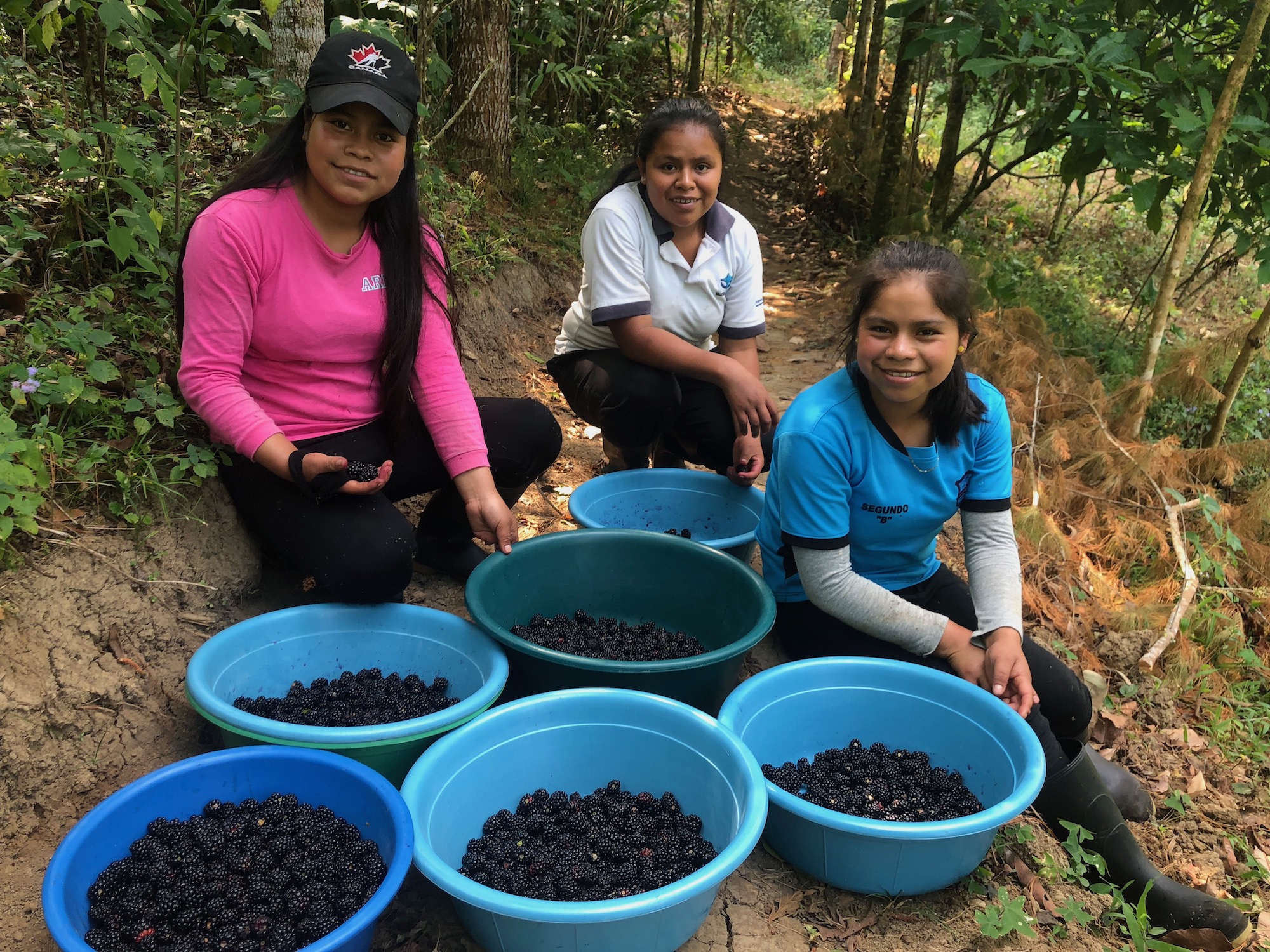
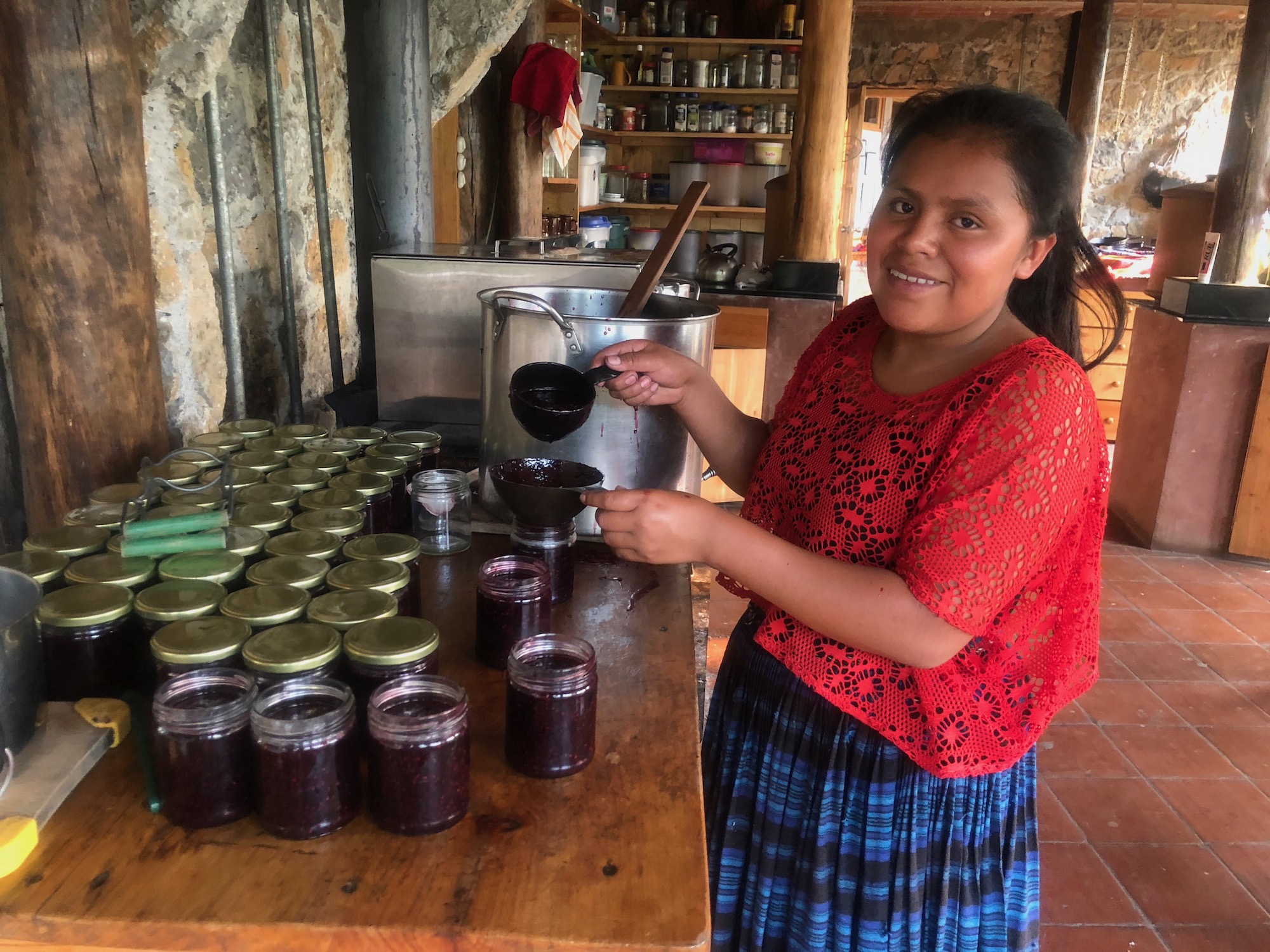
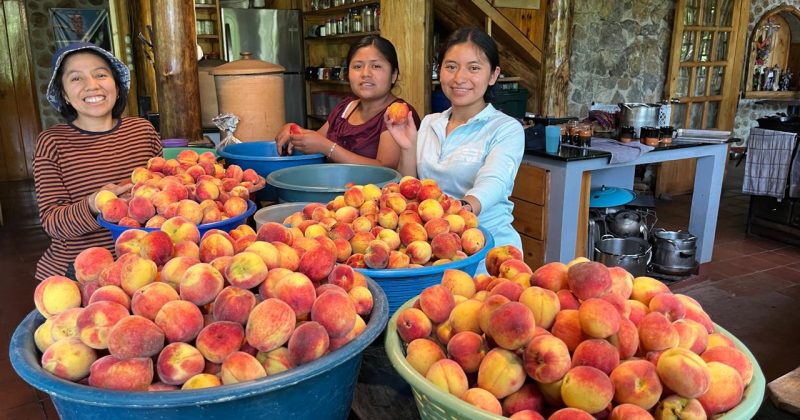
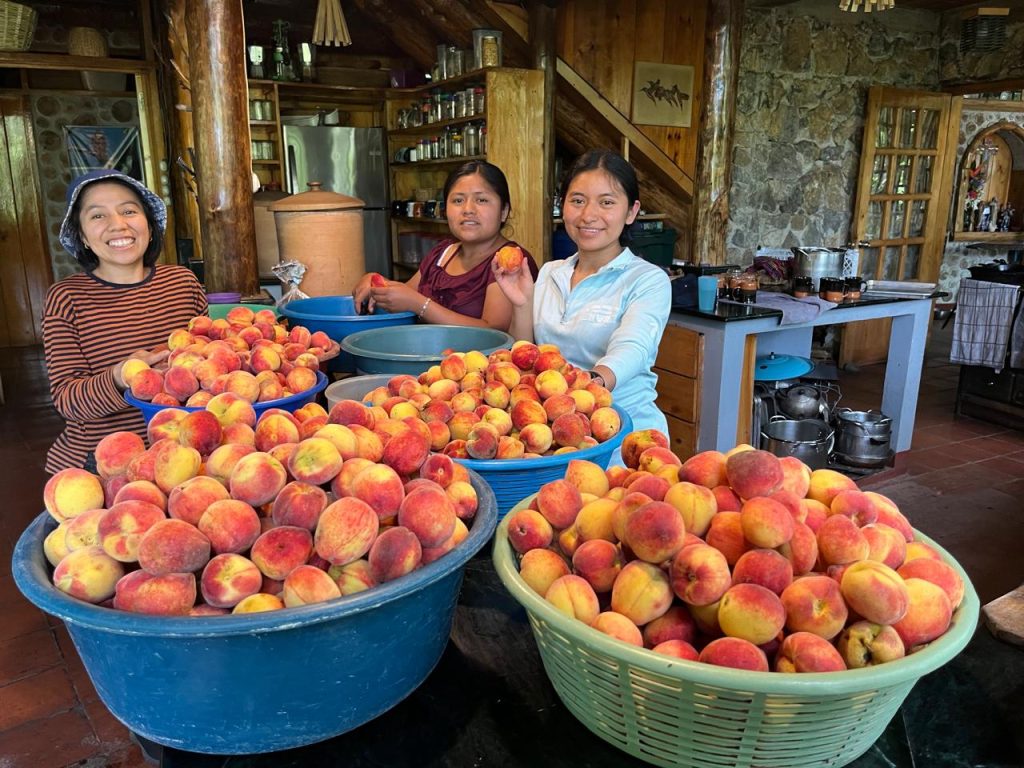
Covid-safe activities in our bubble included tending CCFC gardens, tree nursery and agro-forest parcels. WALC interns learned a lot about canning and baking, while preserving the harvest.
Reforestation

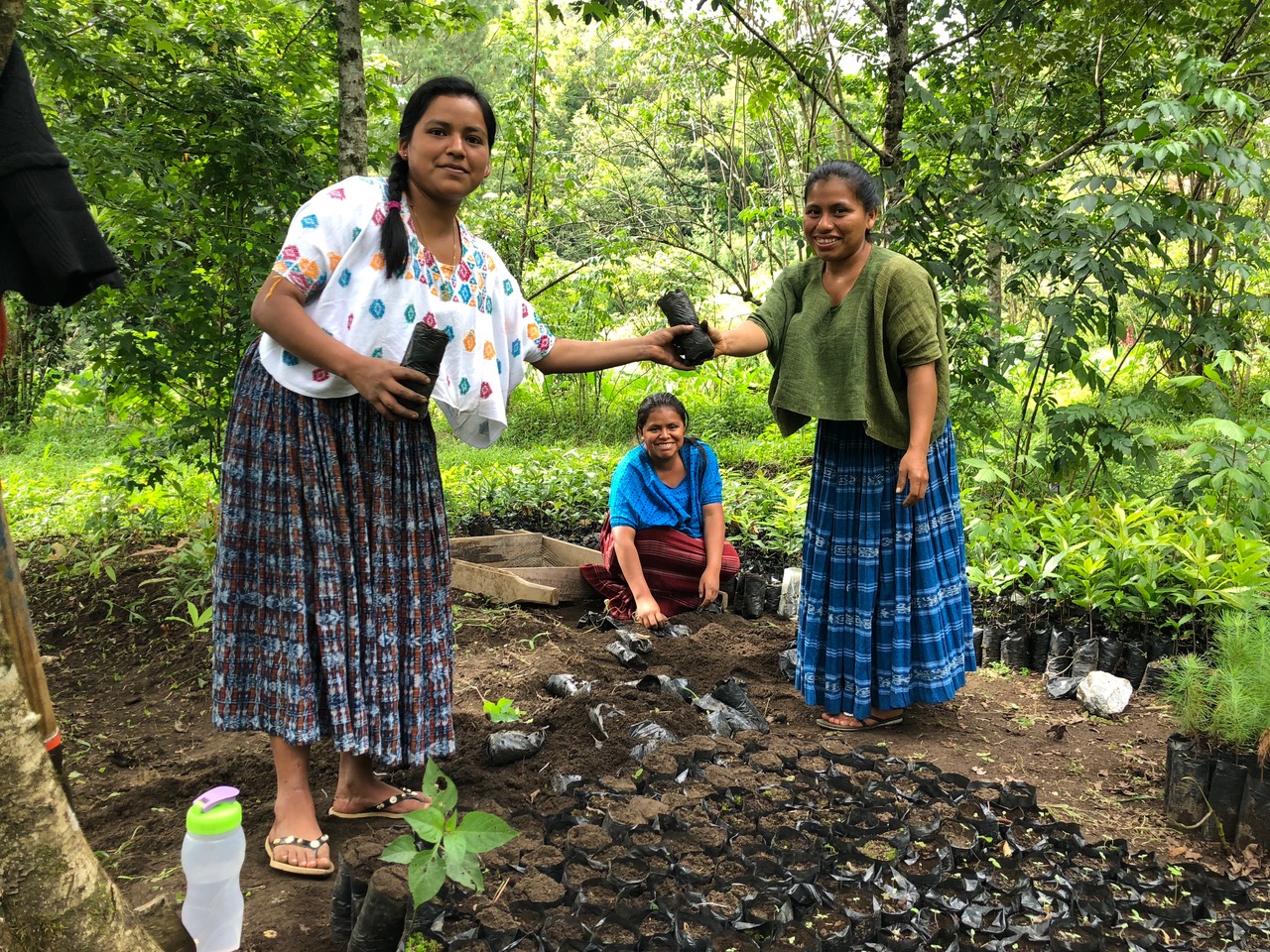
This year, CCFC planted 25,250 trees in important habitat restoration, reforestation and WALC agro-forest parcels.
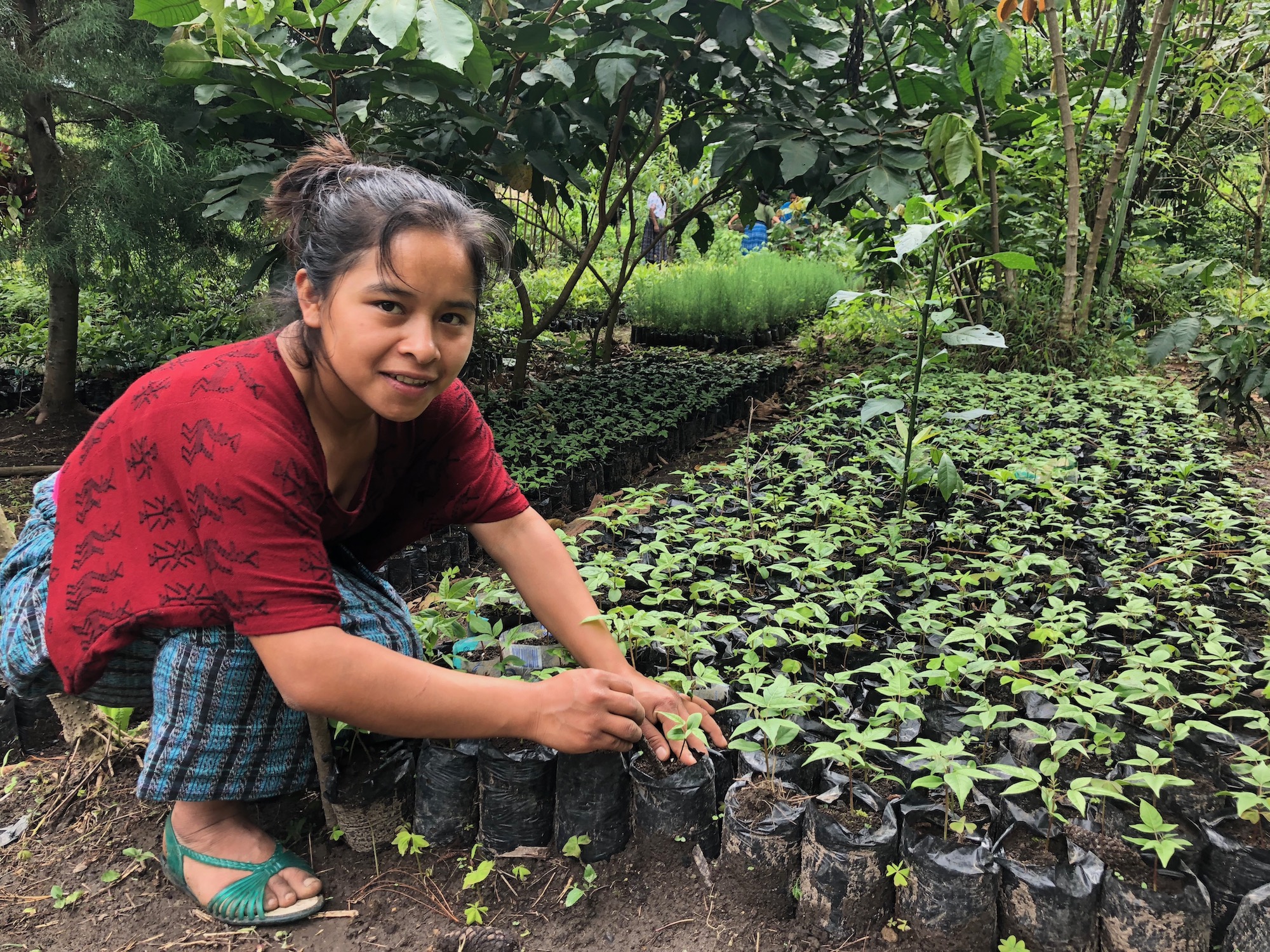
Here’s a 17 second video from the CCFC team to inspire you to plant trees: https://www.youtube.com/watch?v=PENzb9QykYw&feature=youtu.be

Ending 2020

Congratulations to all WALC students who finished the 2020 school year. In a normal year, finishing another year of school is a remarkable achievement, given all of the obstacles they face on a daily basis. We are proud of their resilience, determination and endurance to persevere throughout this year of COVID and hurricane challenges.

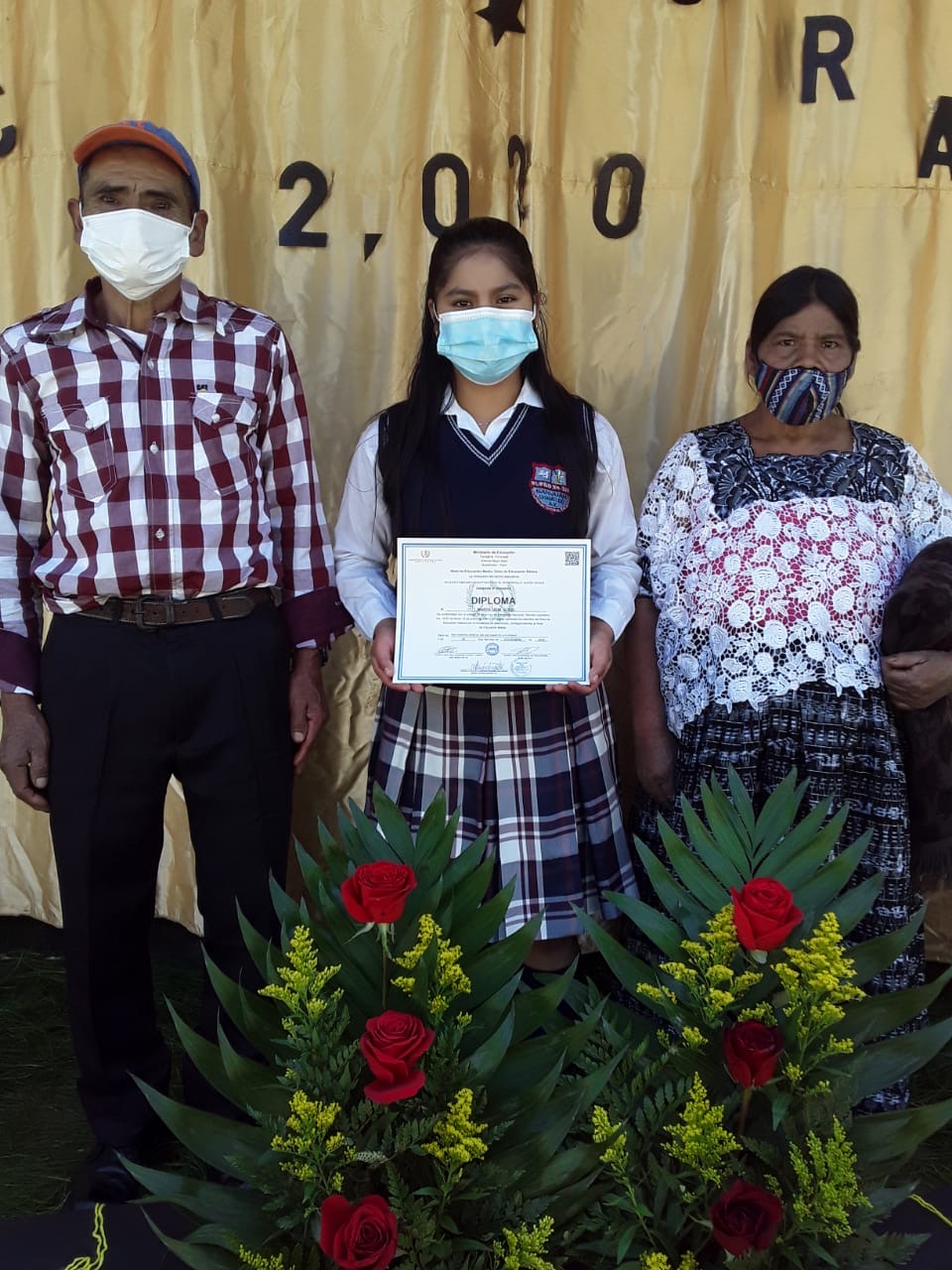
Marta Si Xol celebrated her graduation with father Jose Si and mother Juana Xol. Although Marta will soon be 22, she is proud to graduate from middle school (9th grade).  Marta first participated in CCFC Kids & Birds program in 3rd grade, in 2012. Her first year in WALC was 2017. She was a WALC intern in 2020.  Marta already enrolled in high school for 2021.
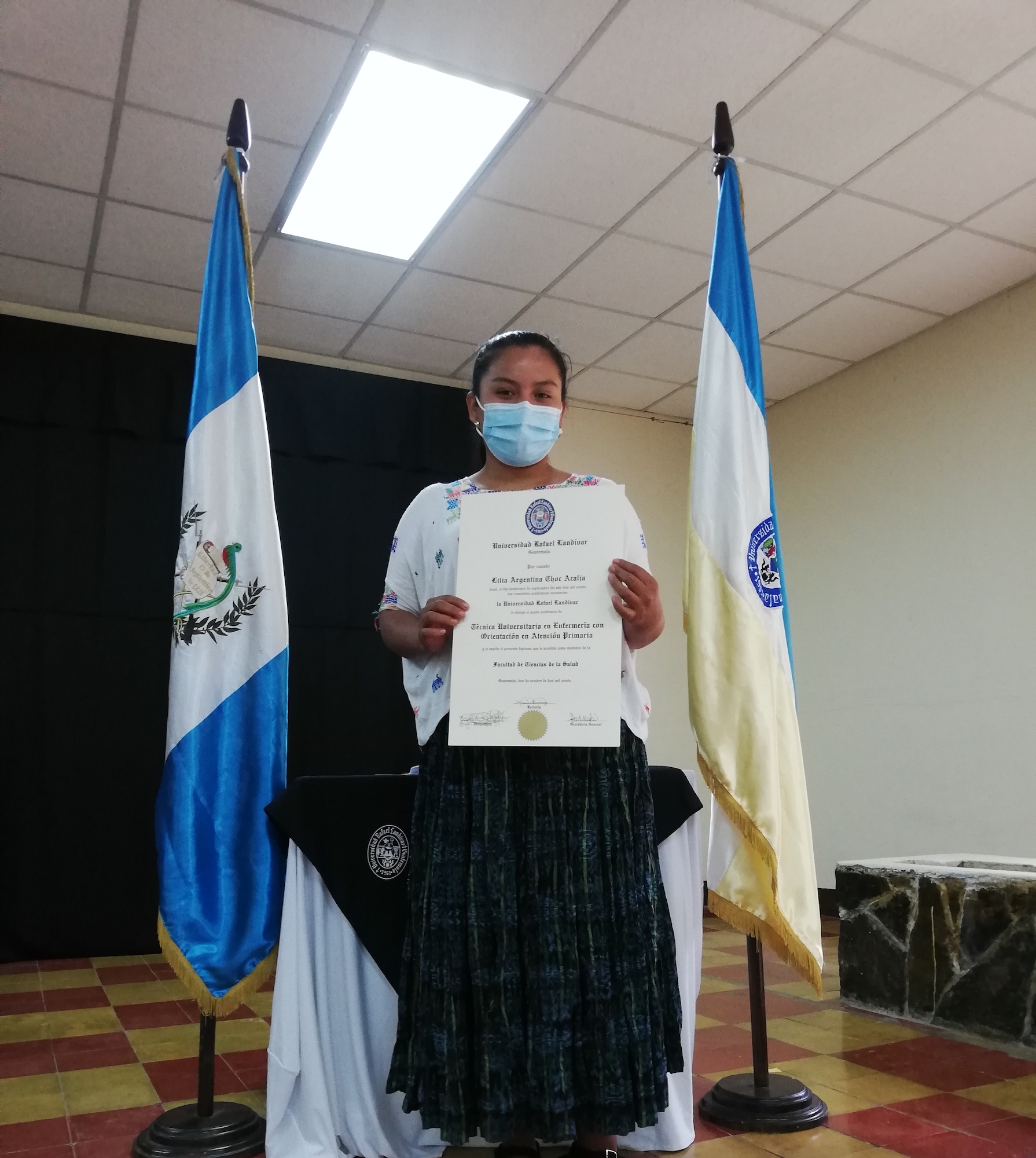
Lilia Argentina Choc Acalja, also an advanced WALC intern, earned her technical university degree in nursing. Lilia first took part in the WALC program in the fall of 2016. She is eager to serve as a nurse in the rural Cahabón region.
Thank you to advanced WALC interns, participating students, local partners and to all our supporters who have made this year a success.
Bird ID guide proves its worth

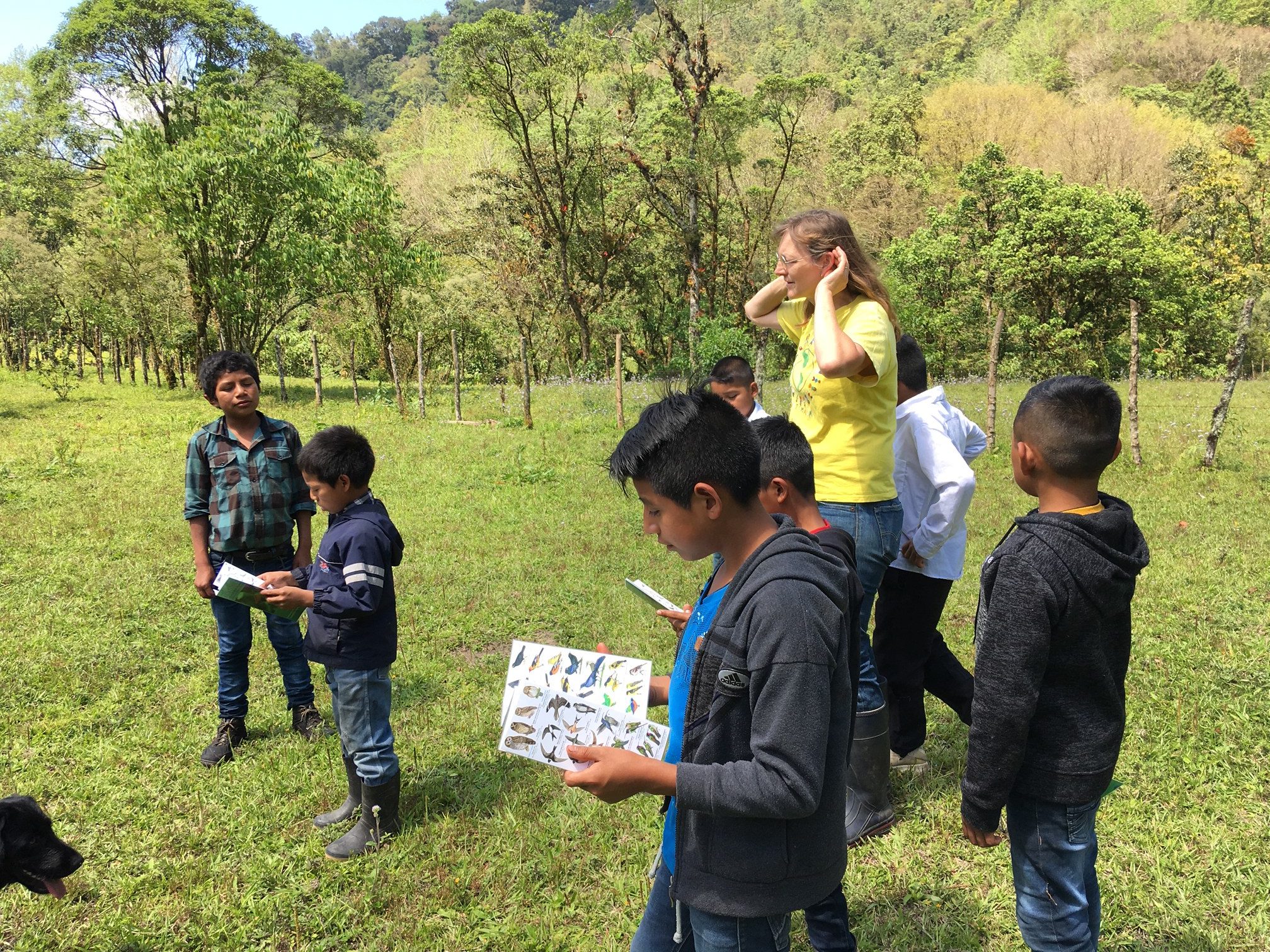
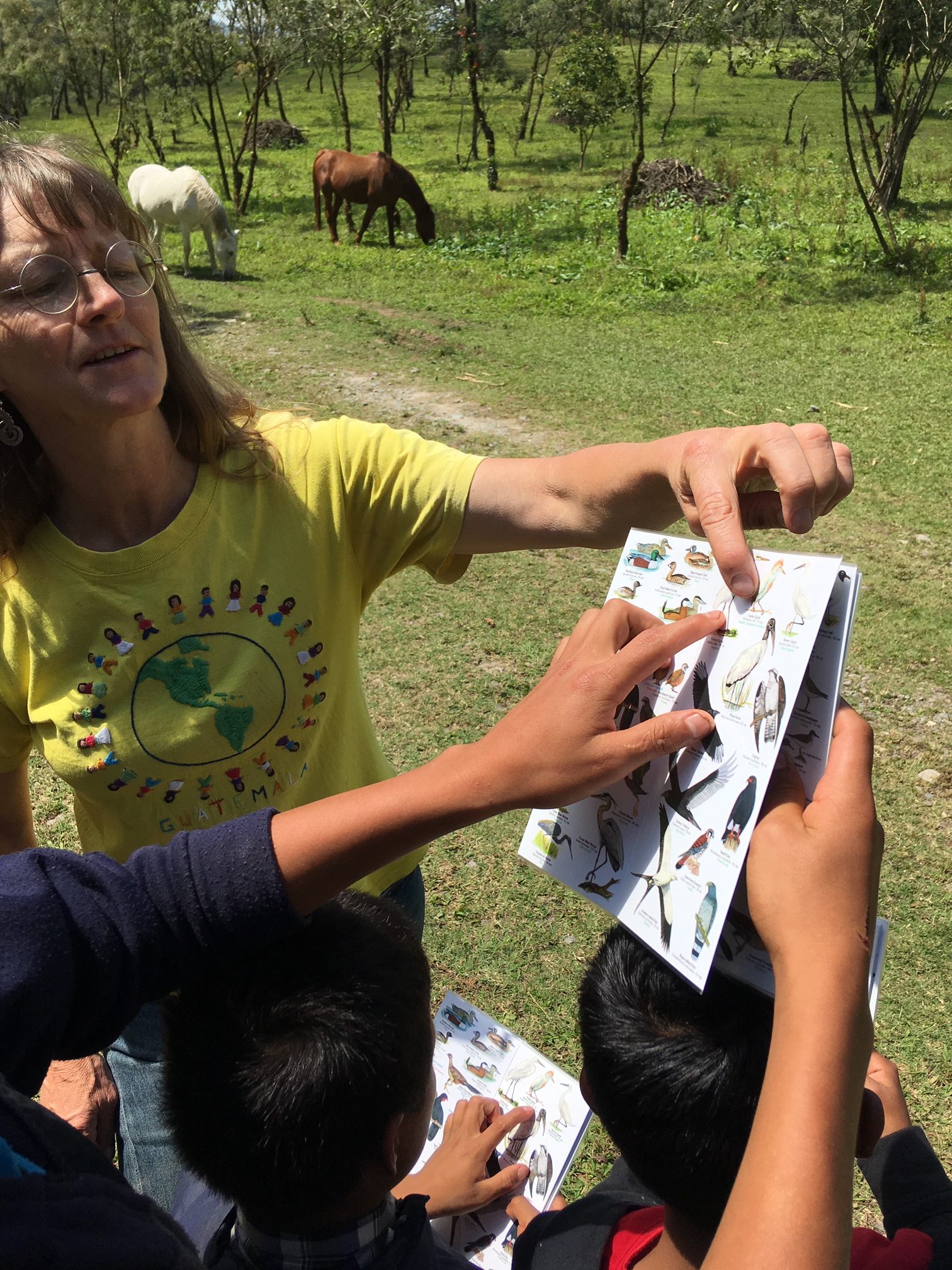
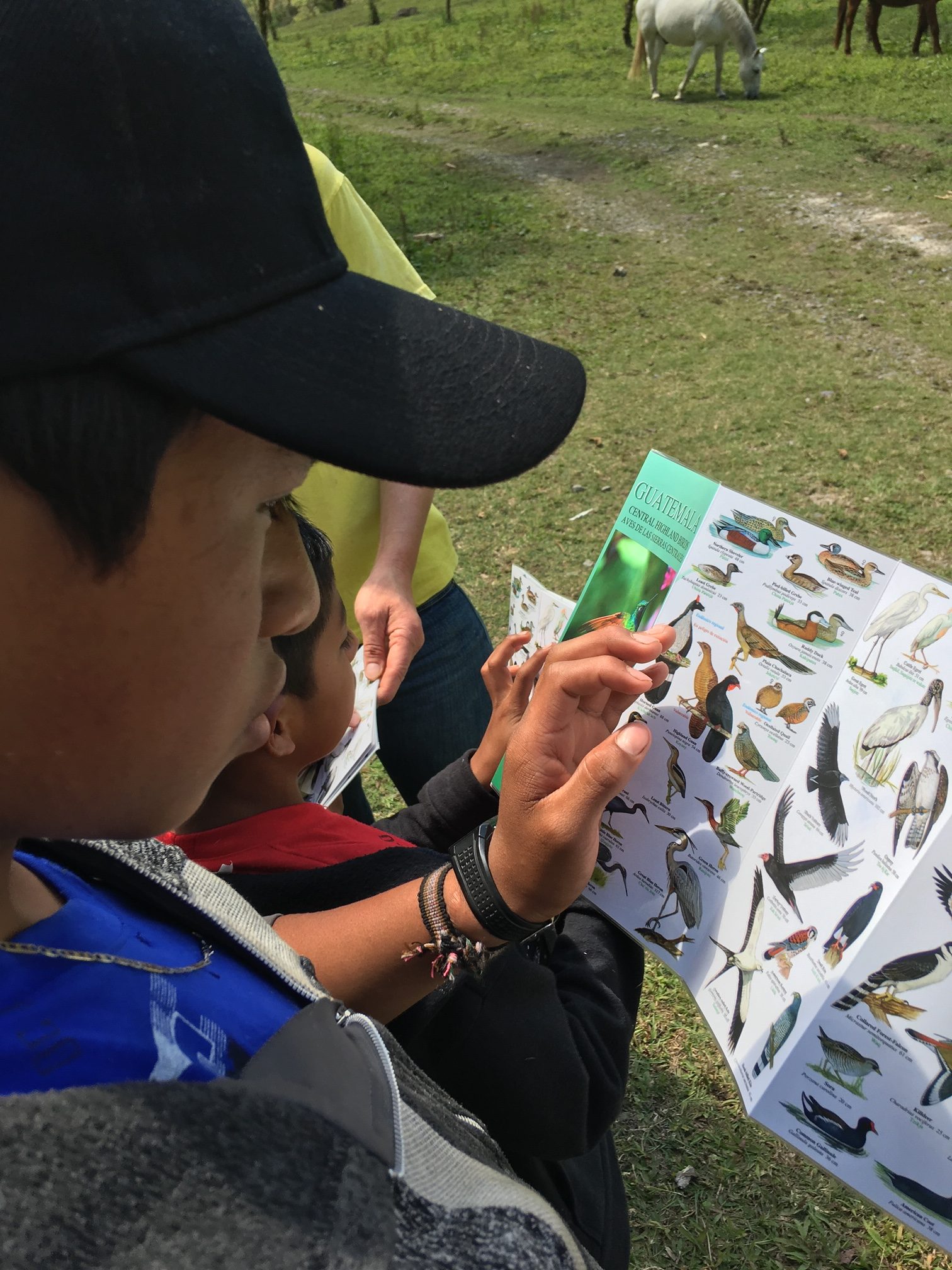
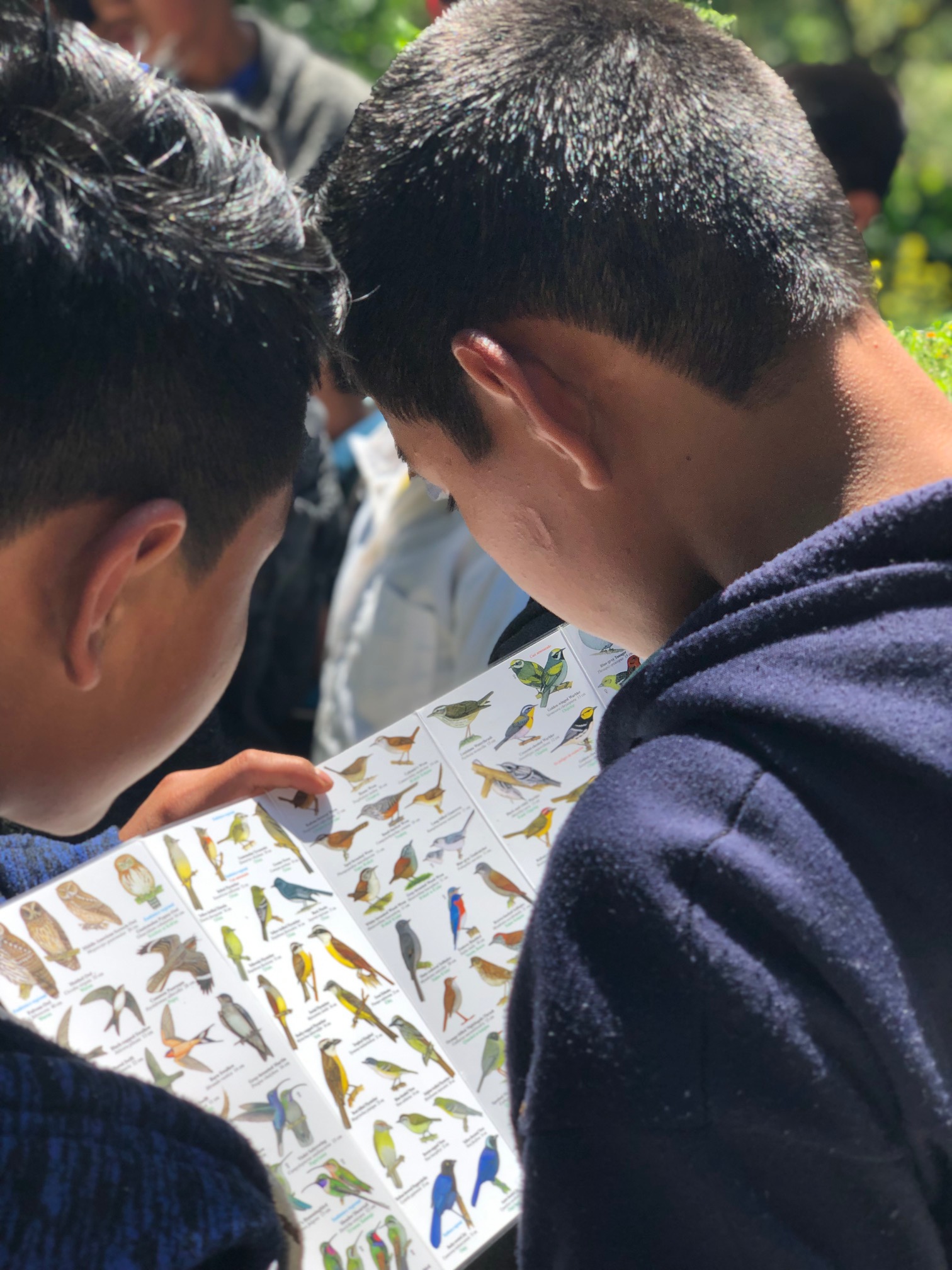
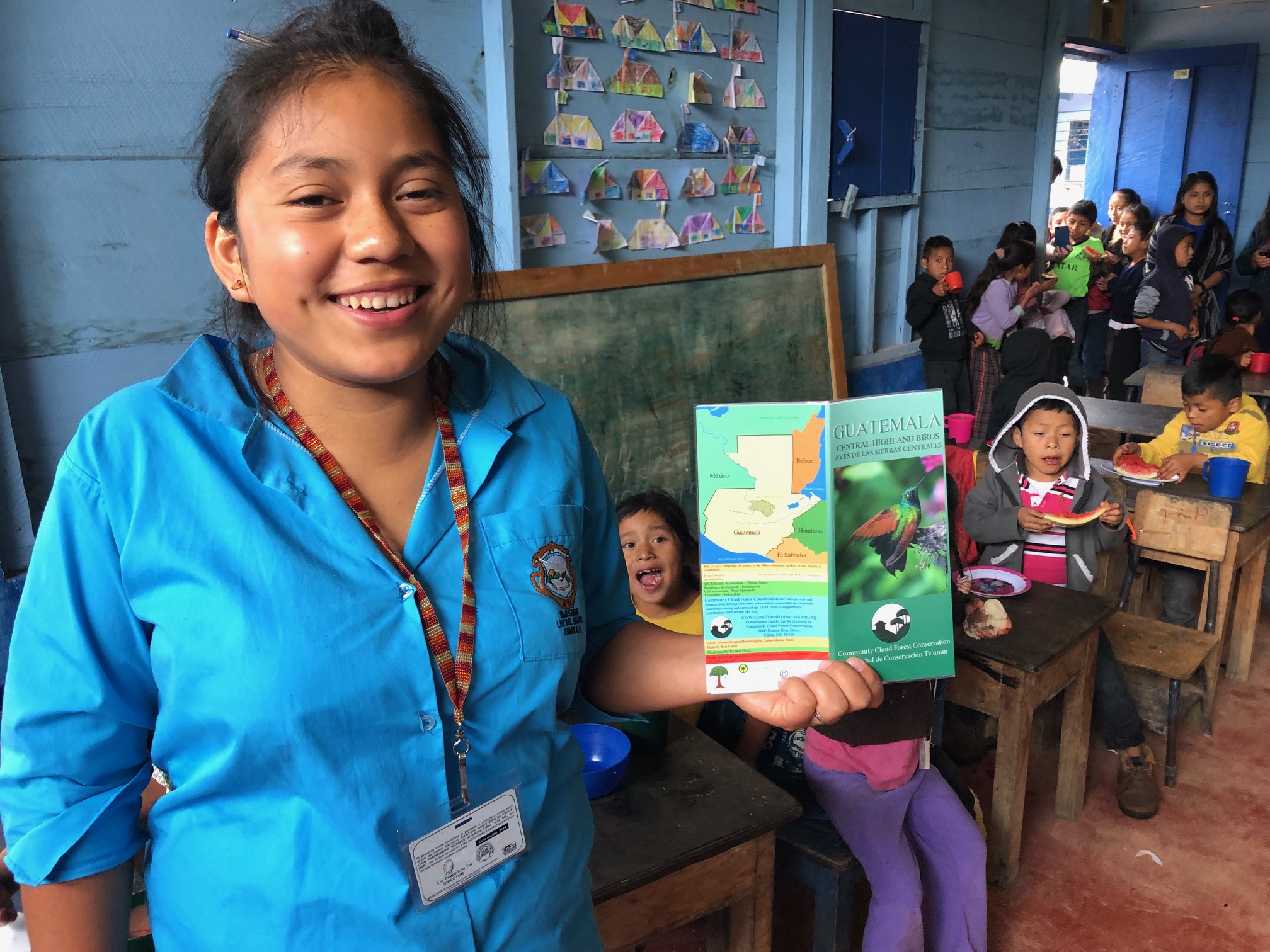
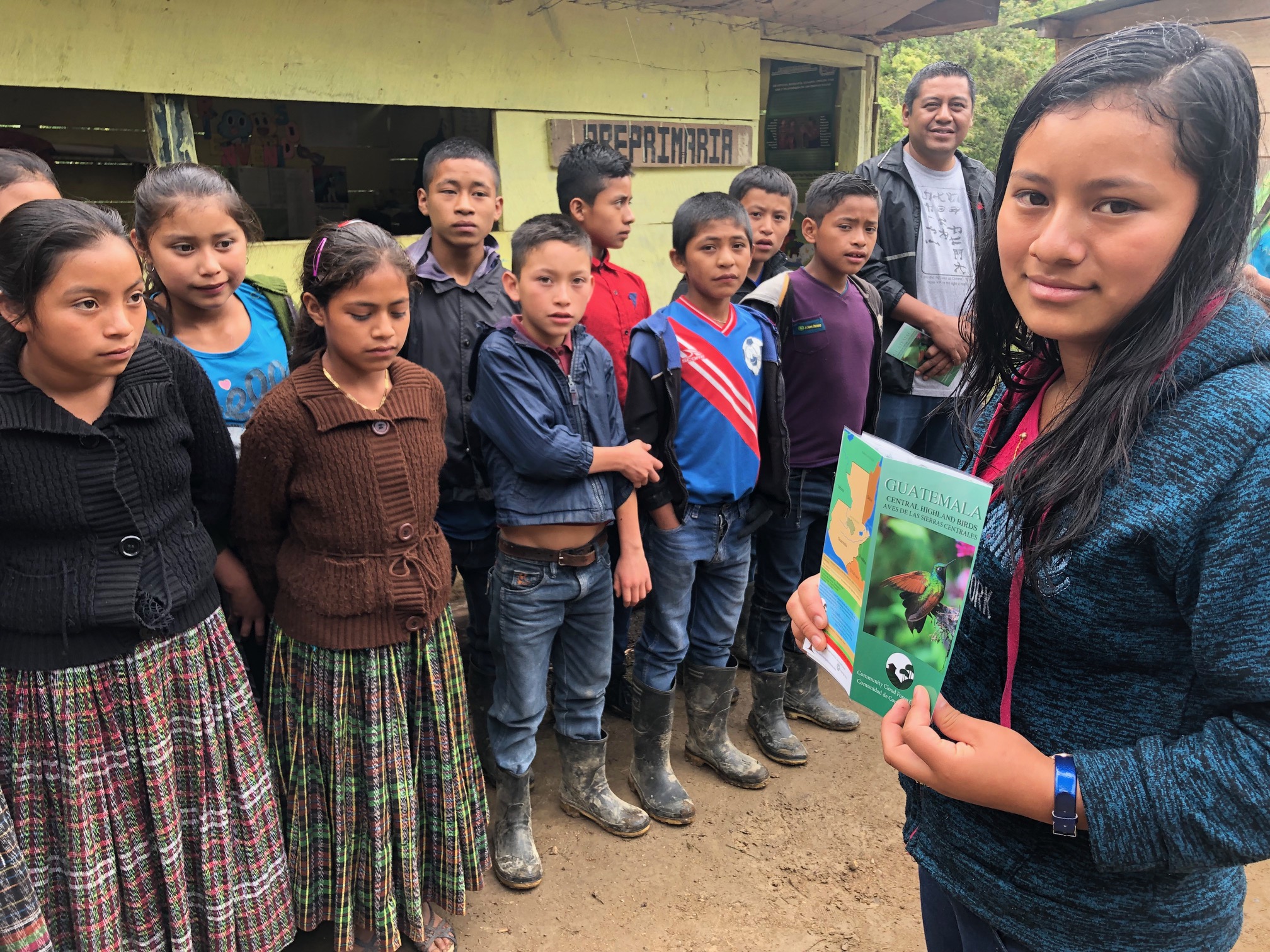
CCFC’s newest educational resource is proving itself in the field this week with students of Kids & Birds program. With these hand bird guides students can identify birds in the field and access their common names in Q’eqchi’, English and the scientific name.


Central highland schools get new resource for bird identification

In 2019 all participating Kids & Birds schools will receive a laminated trifold field guide for their class room. These field guides include local birds that students will recognize from their backyards and surrounding forests. The guide includes common names in Q’eqchi’ Maya where possible. The trifolds will be used by students inside and outside the class room before, during and after their time at CCFC.

WALC students take up composting

WALC students take up composting

WALC participants from the fall of 2017 met Saturday to begin a composting project in their village. Last fall 15 young women from five villages in the Puruhla mountains of Baja Verapaz took part in CCFC’s WALC program. All fifteen are currently finishing their 2018 school year and most plan to participate in WALC again this fall. On September 22, seven of these young women began a composing project that they hope to spread to the villages in their region. “Why throw something away that is useful?” says Brenda Aracely of Panzal. Last fall was Brenda’s second year in WALC. Brenda plans on returning in October for her third year.

Thanks to the opportunities and leadership skills gained by these young women through the WALC program, composting and agro-forest gardening are catching on in their region.


Families receive two containers, one for inorganic trash (marked in red) and one for organic material for composting (marked in green).