Sisterhood Found: America’s Appalachia & the Mayan Heartland

Sisterhood Found: America’s Appalachia & the Mayan Heartland

By Nancy Stranahan, Director, Arc of Appalachia

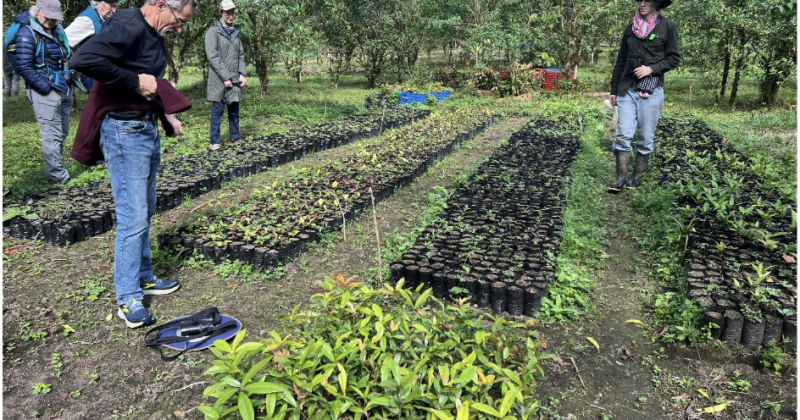
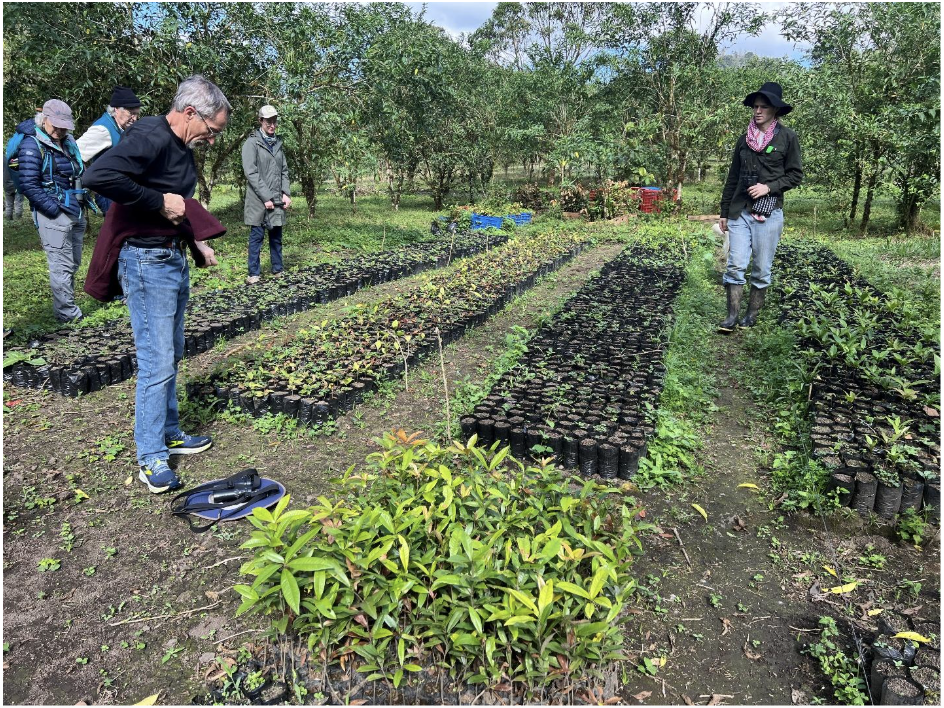
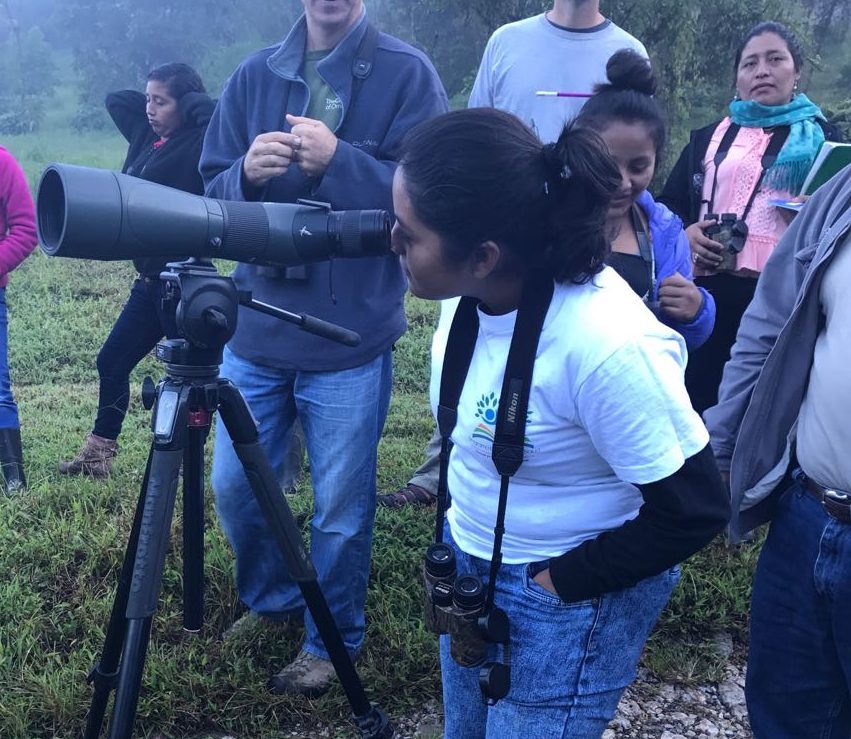
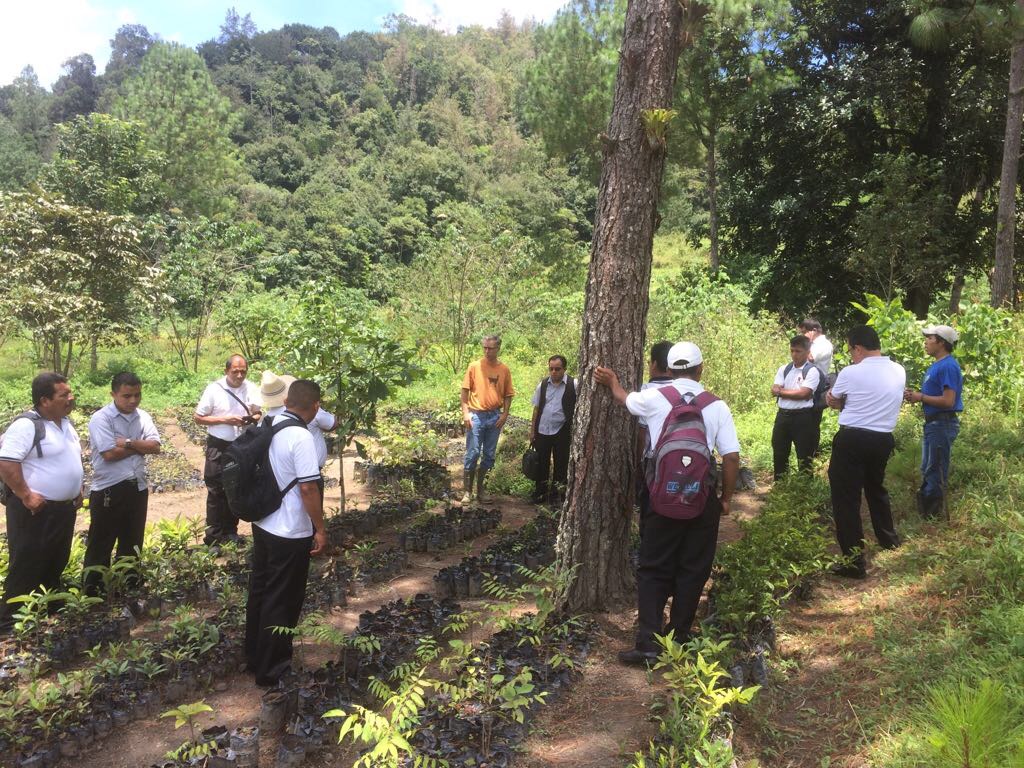
Brent Charette, Arc Director of Land Stewardship (front left) inspects the impressive tree propagation efforts of CCFC.

Here is a short story of how two far-flung land preservation and education nonprofits – one in southern Ohio and one in Guatemala – found each other across the miles.

We began the Arc of Appalachia back in 1995 as a wildlands preservation organization with zero acres to our name and no money in the bank. With a combination of considerable passion, hard work, and many miracles, thirty years later the Arc has saved and currently protects close to 15,000 acres of nature preserves – mostly in southern OH, but also in eastern KY, and WV. We also host dozens of nature literacy courses each year and maintain 90 miles of hiking trails.

Ten years ago, the leadership of the Arc of Appalachia was inspired to seek out a kindred organization in Central America at the far end of many of our breeding birds’ migration paths. We wanted to find a nonprofit that mirrored many of our own qualities – scrappy, dedicated, heart-centered, community-focused, prudent and effective. But our greatest focus was on the neotropical migrating birds that we shared. By our reasoning, no matter how many acres of forests we preserved in the heartland of Appalachia, if we wanted our neo-tropical breeding birds to continue returning to our Appalachian forests each spring, then we needed to support land preservation on BOTH ends of the arc of migration. For seven years we looked for the perfect complementary organization somewhere in Central America, but none that we found ticked off everything we were looking for.

And then, Arc friends, Bob and Jean Warneke (Jean is now a CCFC Board Member), told us about CCFC. Their firsthand accounts were so stellar that we were inspired us to pack our bags for Guatemala and see their work with our own eyes. In January of 2024, I and several other representatives from the Arc, spent two blissful weeks in the highlands of Guatemala, enjoying the peerless hospitality that Rob and Terra Cahill provide to all their guests, and immersed in a casual curriculum of Guatemalan conservation and cultural education. Have I mentioned yet the marvelous FOOD???

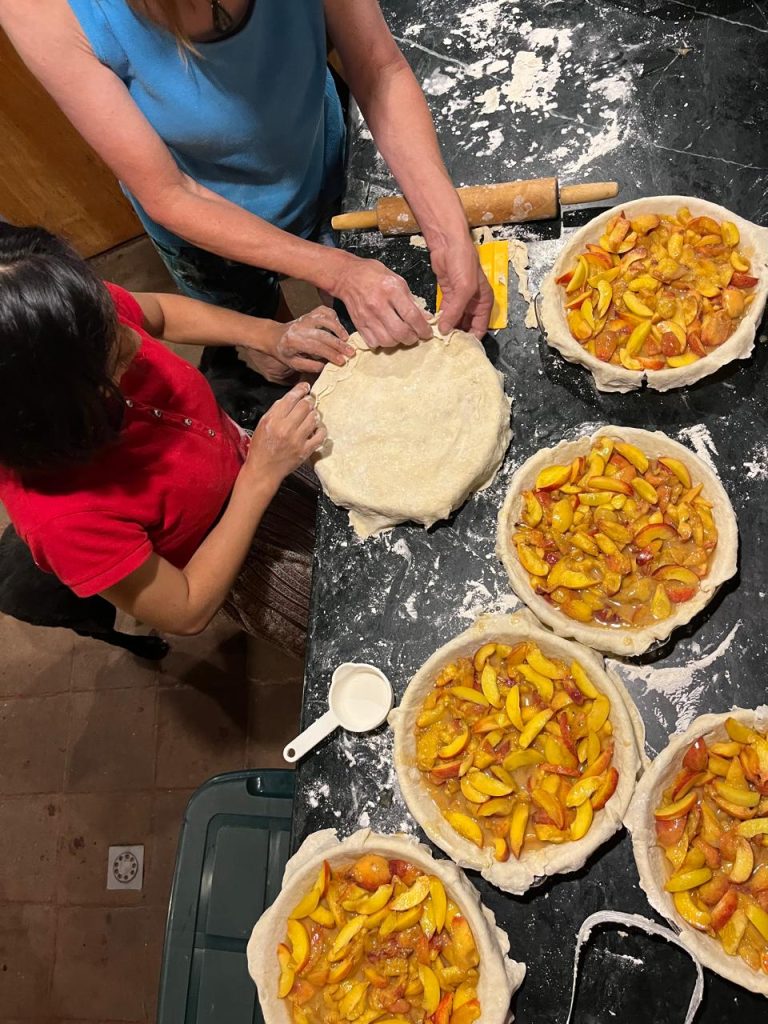
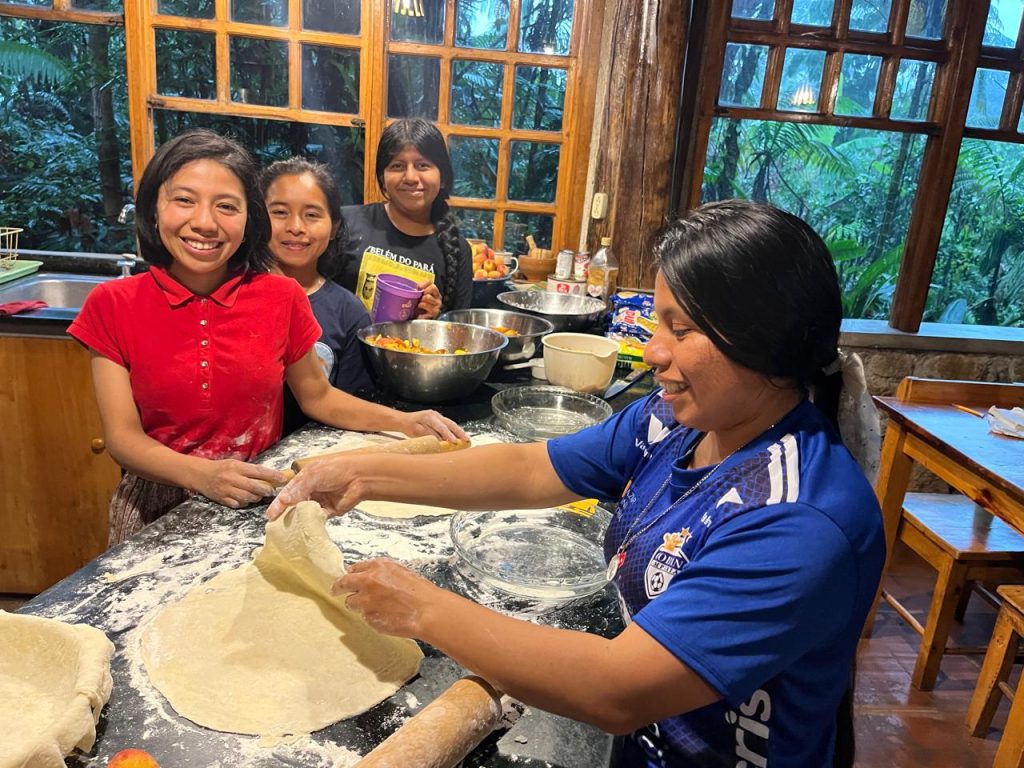
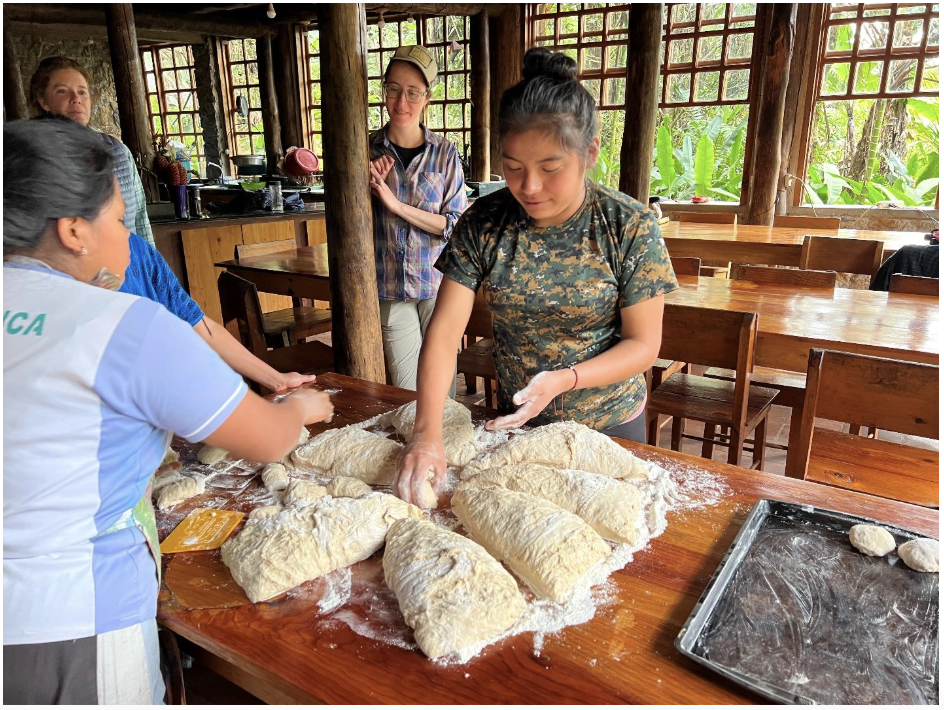
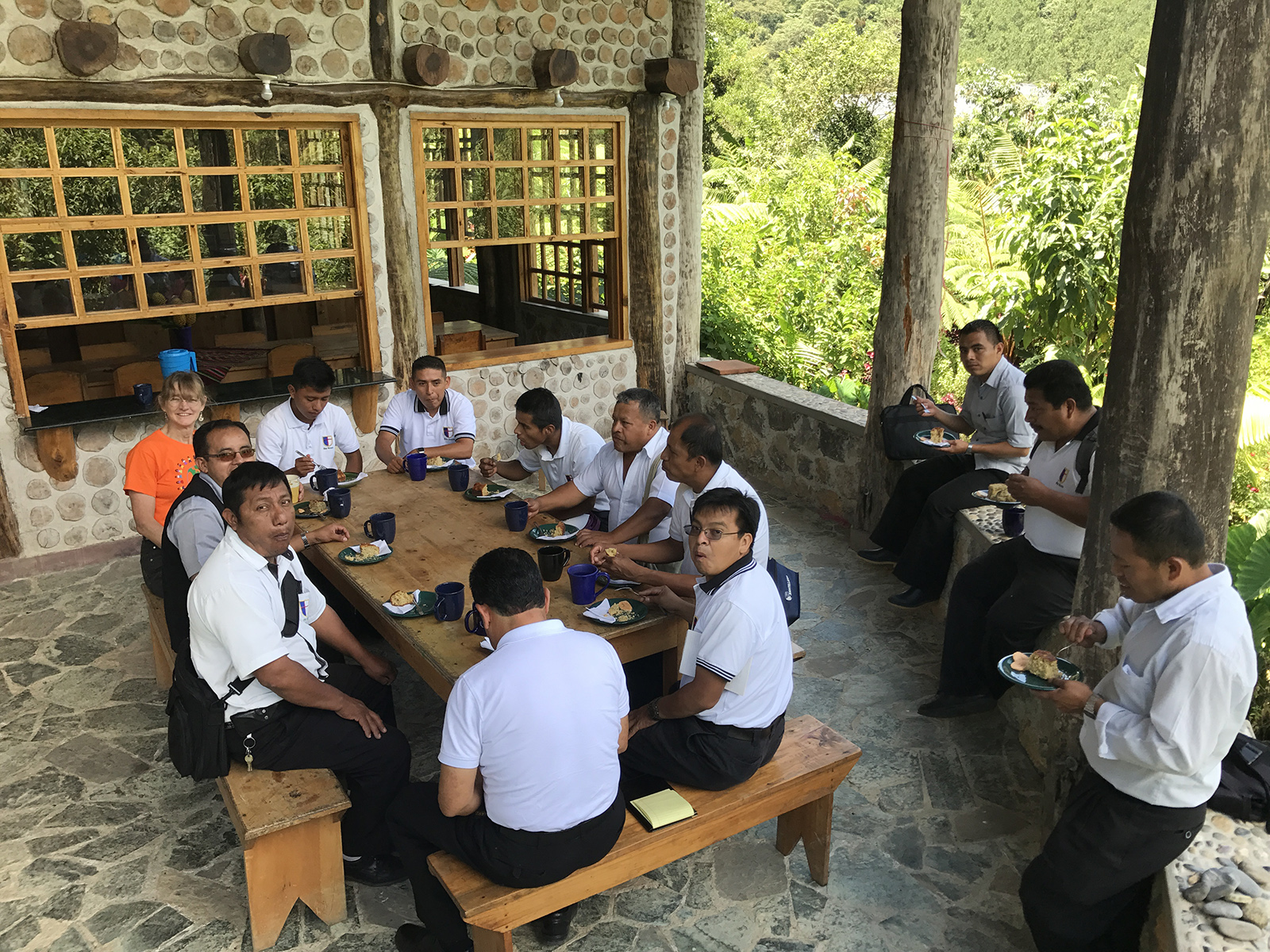
Several of the Arc’s staff representatives are avid bakers, including Andrea Jaeger, Associate Director, who is eagerly looking on (rear central). A few minutes later, both Andrea and I had our hands in the dough.

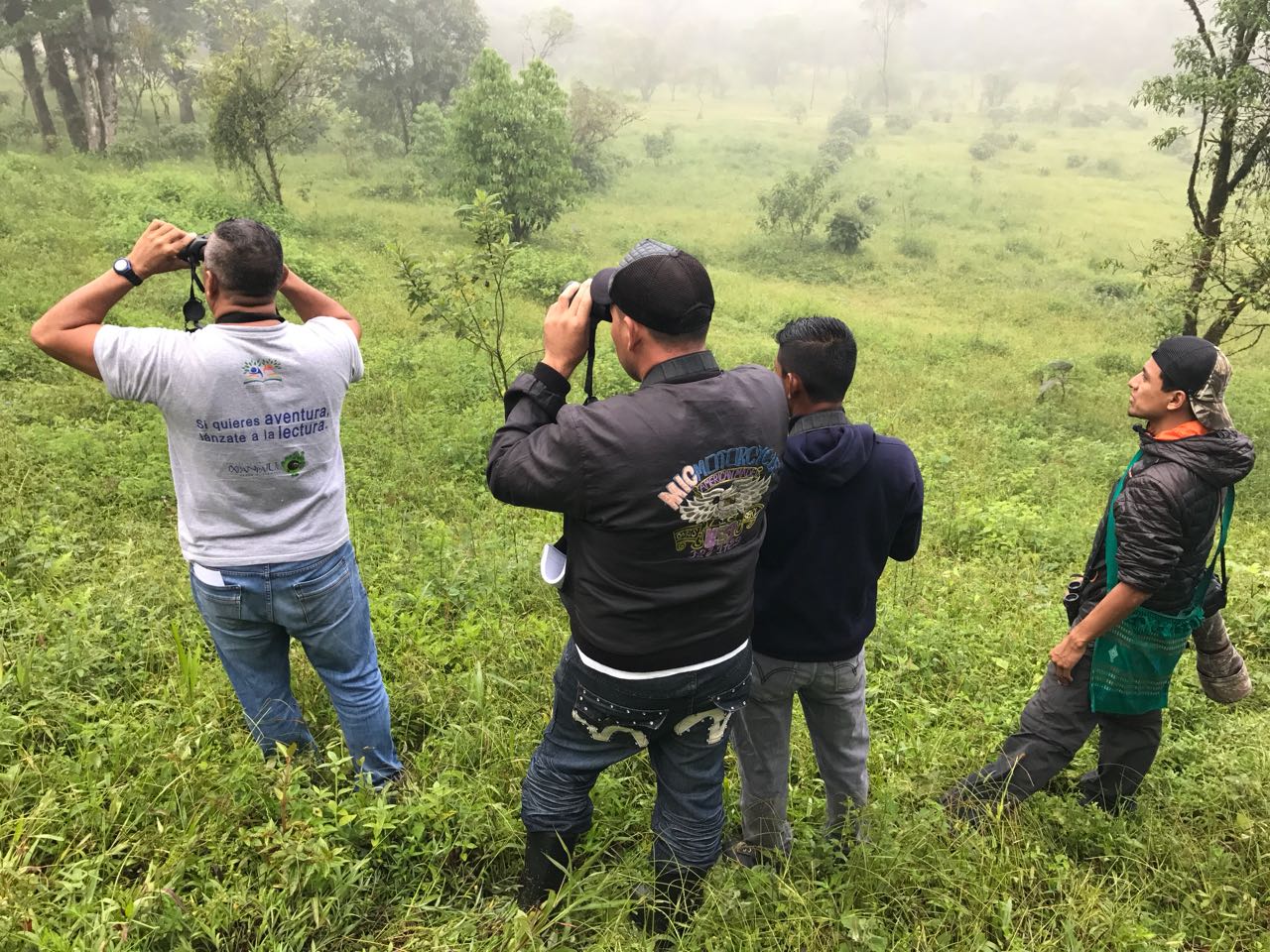
We came home smitten by CCFC’s incredible passion, the similarities between our two organizations, and the beauty of the Mayan forests and the Mayan people. We were deeply touched by the poignancy of the rate of deforestation CCFC is working to mitigate. And, of course, we were dazzled to see so many of our beloved summer-breeding birds in their home habitat.

We even found large numbers of our beloved wood thrush, hopping along the grounds of CCFC. Guatemala is graced with these magical birds more months of the year that we are in our Arc preserves, but when the wood thrush DO visit us, they come singing. 

The Arc and CCFC, working together on our respective land preservation projects, can contribute to keeping “arc of flight” between our two regions intact and connected, not only for the wood thrush, but for the other 37 species of birds we share in common. Truly, this is a match made in heaven!

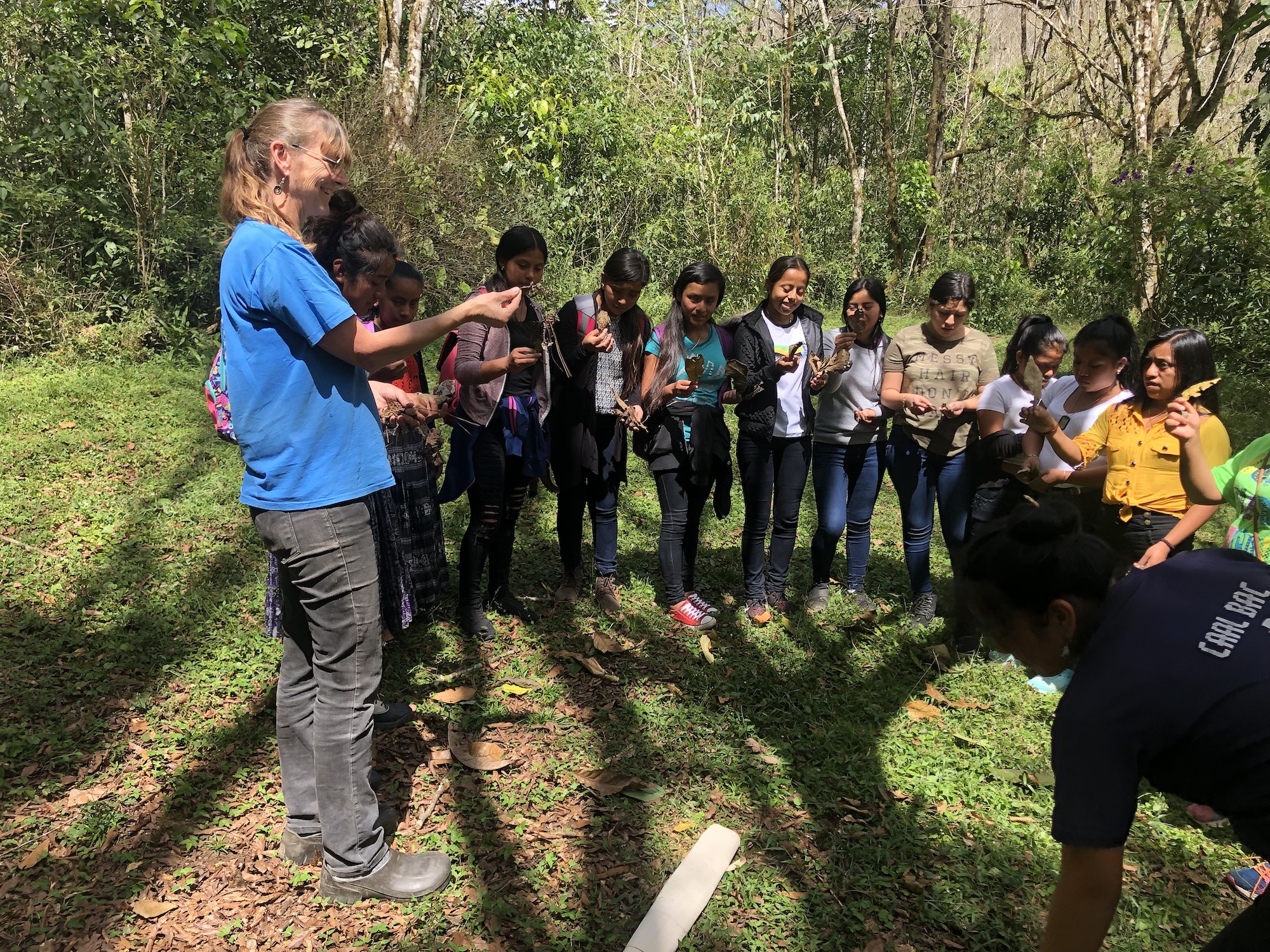
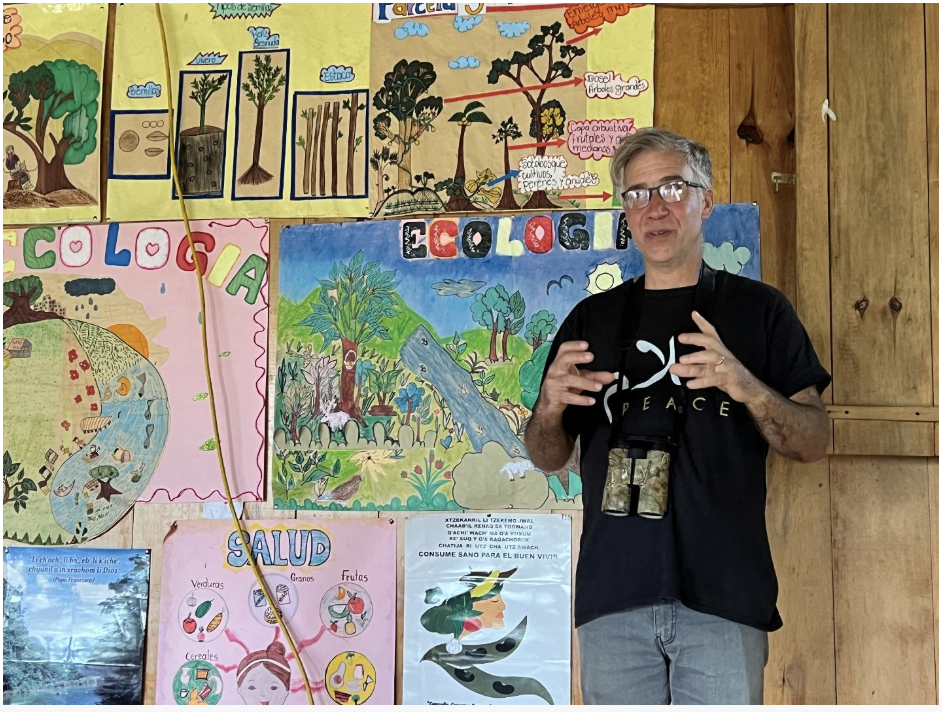
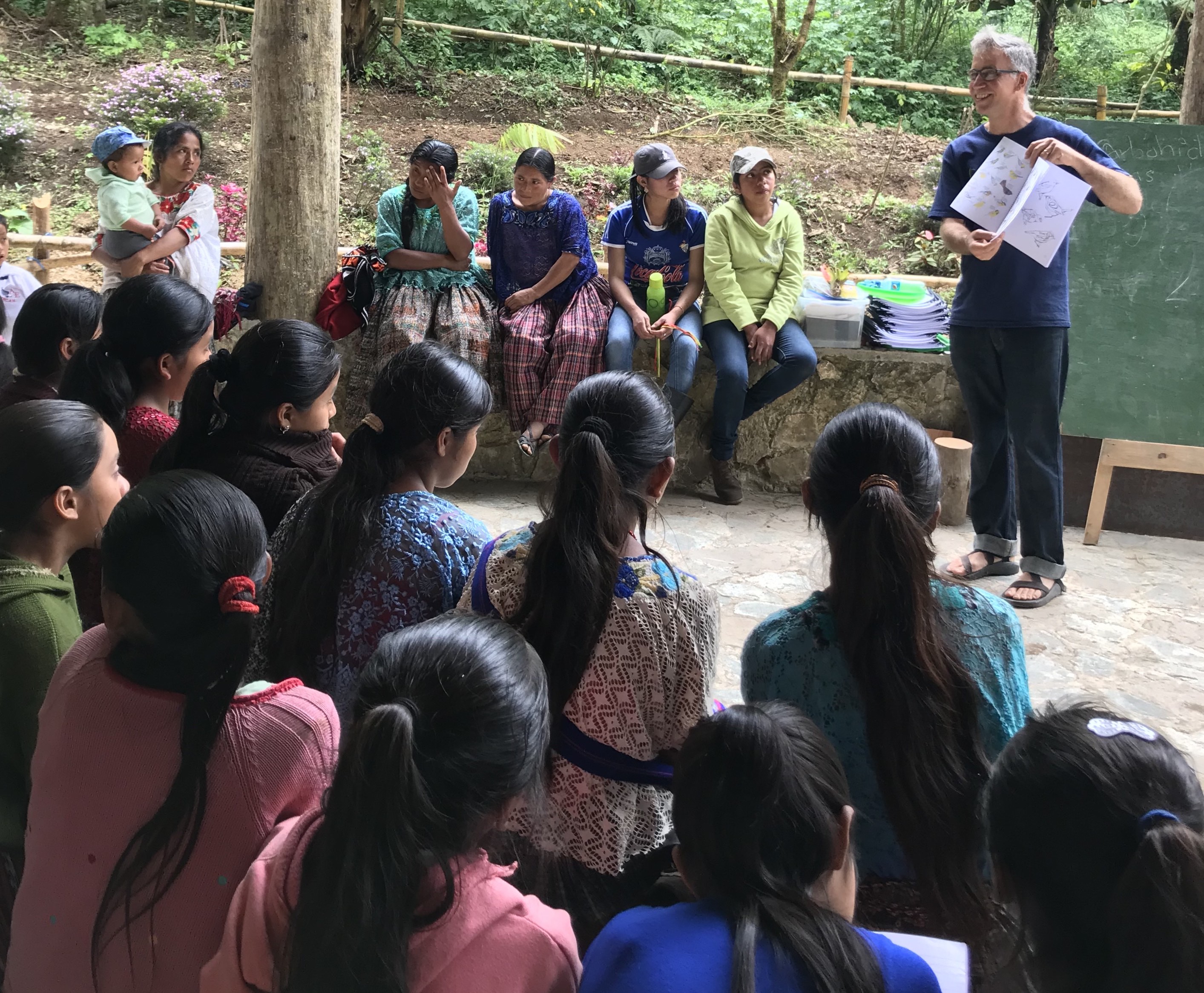
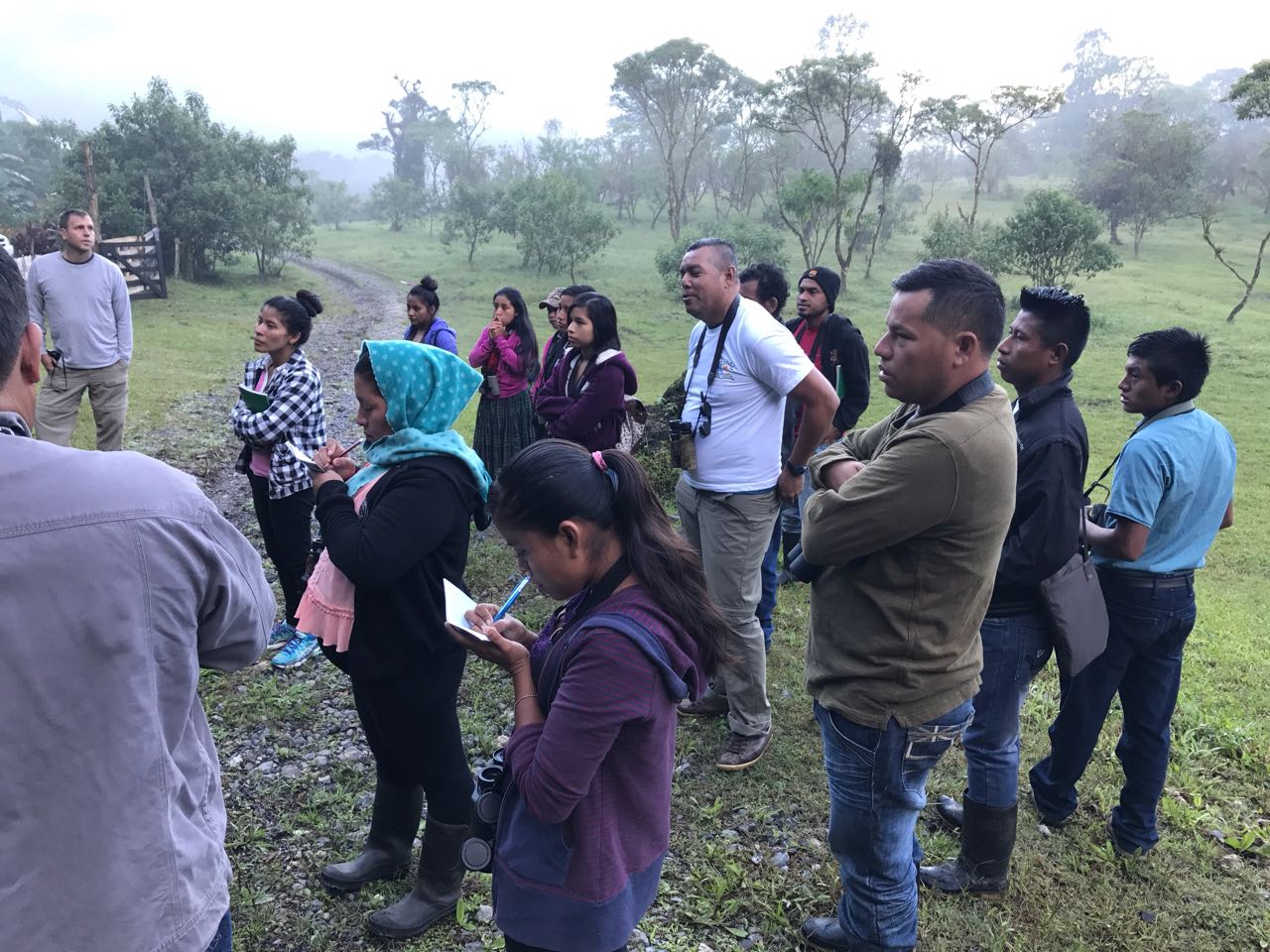
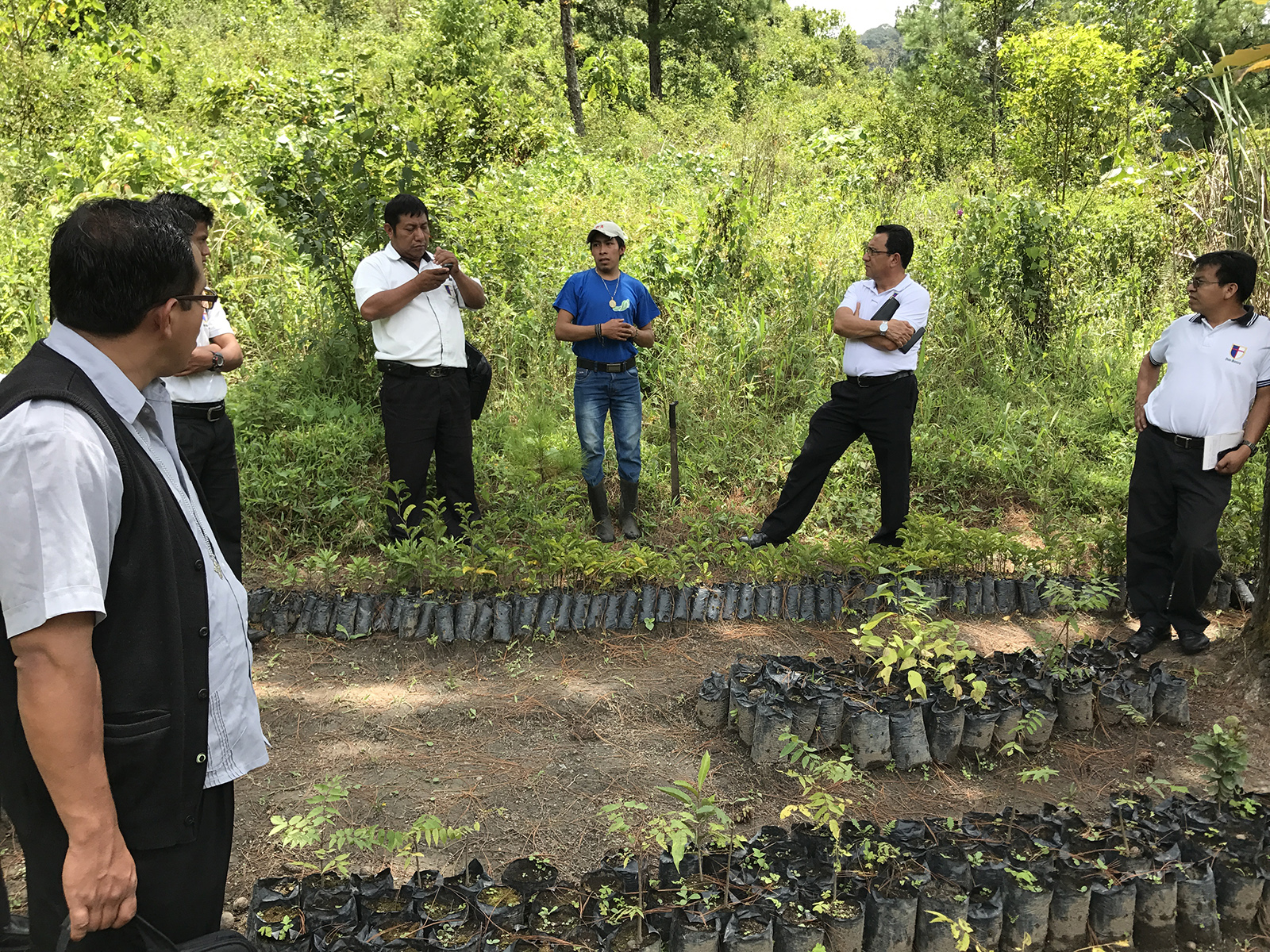
Rob Cahill, Director of CCFC, teaches our group about the core education content of CCFC’s youth curriculum.

Pumpkin Soup Recipe

Pumpkin Soup Recipe

IYKYK. The food at CCFC is hardy and fresh. The following recipe serves 12. It is cut down from Tara’s recipe that originally serves 144! So play with the seasonings.
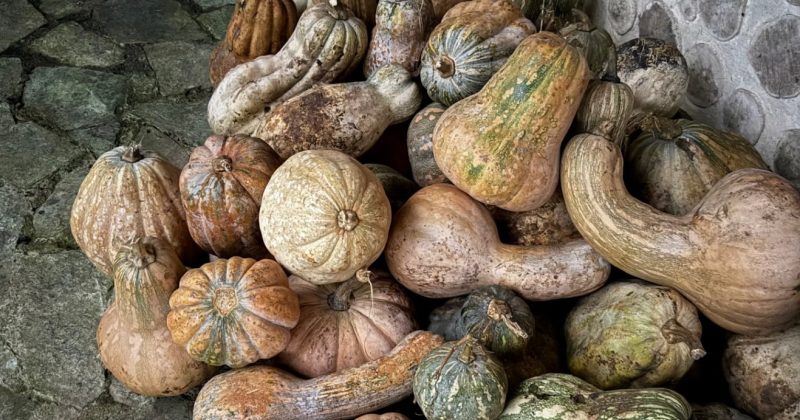
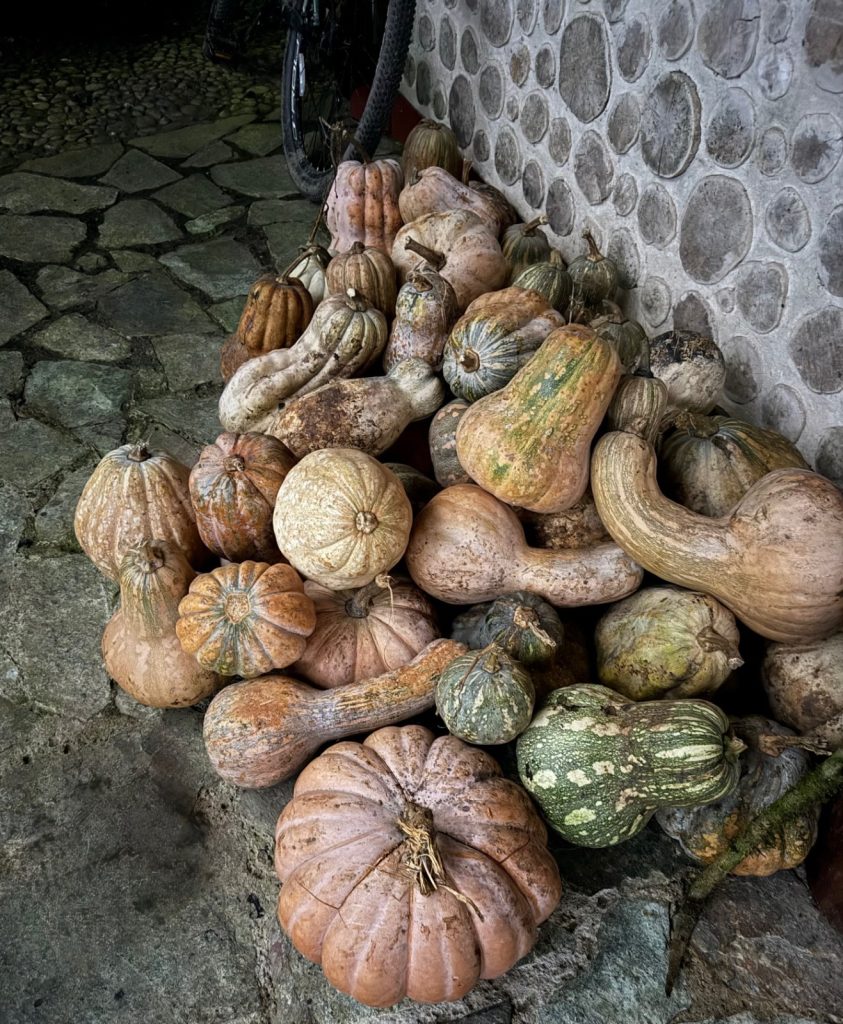
This year the gardens produced 8 full pick-up bed’s worth of pumpkin.

Ingredients:
1.5 Liters of pumpkin – chopped into bite sized pieces and boiled till almost done.
2.5 Liters of Hot Water (from boiling the squash or chicken broth)
2 Onions- Chopped
2 Garlic Cloves – peeled and chopped
2 stalks Celery – chopped
½ Tablespoon of Ground Cumin
1/8 Cup of Vegetable Oil
2 Pounds of Chicken – boiled in water with celery and additional onion, cut into bite Sized pieces
3 Sprigs of Thyme
¼ Tablespoon of Salt
¼ Teaspoon of Black Pepper
¼ Teaspoon of Nutmeg
Bundle of Cilantro
Avocado
Toasted Pumpkin seeds

Directions:
1. Chop pumpkin into bite sized pieces and boil till almost soft.
2. In a frying pan, add vegetable oil and fry onion, garlic, celery, and cumin.
3. Put everything in a large soup pot and add seasonings.
4. Cook until pumpkin is soft.
5. When ready to serve, top with chopped cilantro, avocado, and pumpkin seeds.

Year in review 2020

2020 Year in Review

As we approach the end of 2020, we at Community Cloud Forest Conservation, are thankful for enthusiastic leaders, eager students and encouraging support. Continue reading or click one of the links listed below to jump to a section.

Our 2020 Team

Off campus work during Covid-19

WALC Scholarships

A Gift of Trees from Dining For Women

Clean Cooking Initiative

On-campus life during Covid-19

Back-to-back Hurricanes in November

Reforestation

Ending 2020

Between January and mid March of 2020, 824 students and teachers participated in CCFC environmental education programs, a first quarter record!
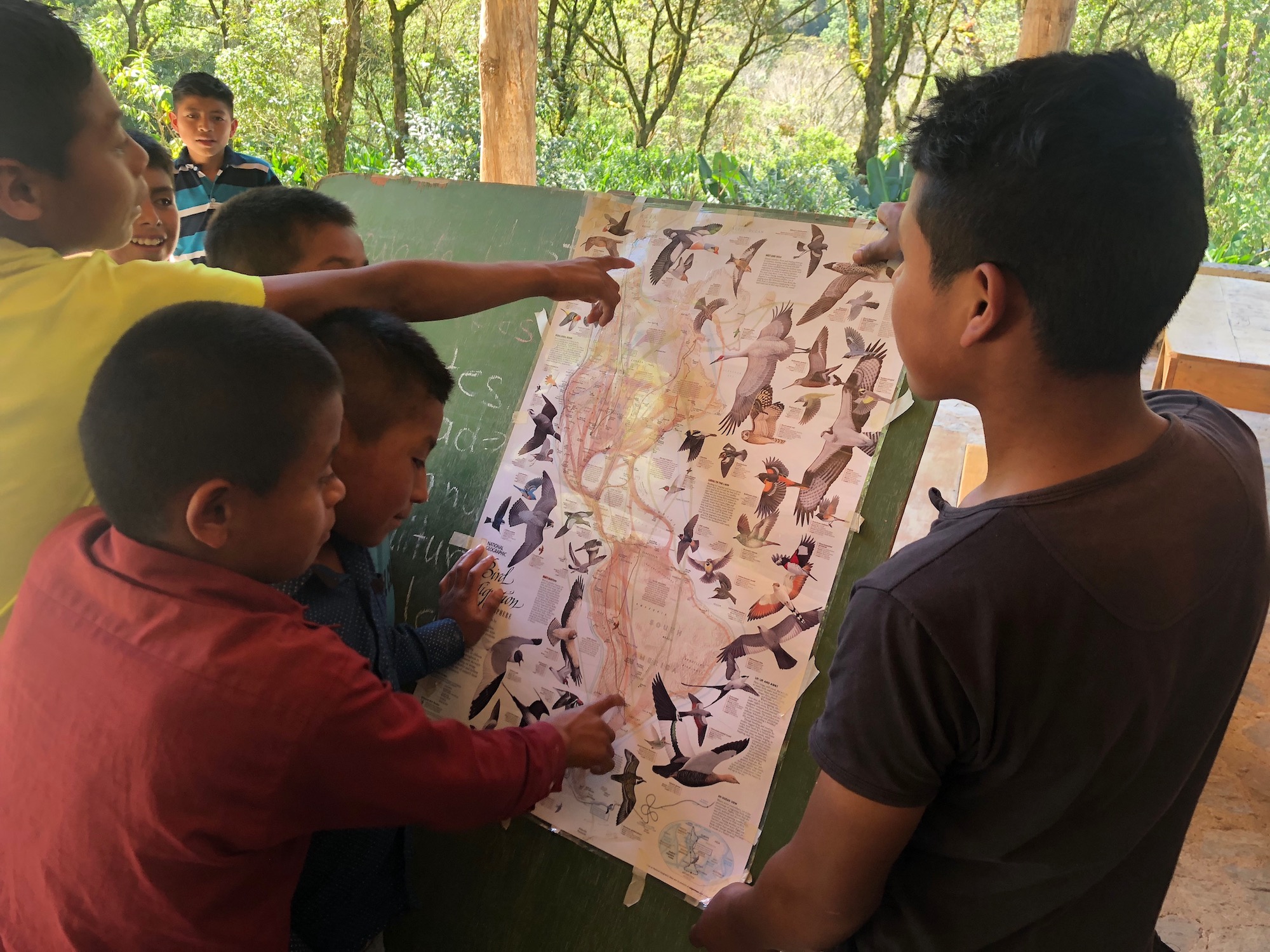
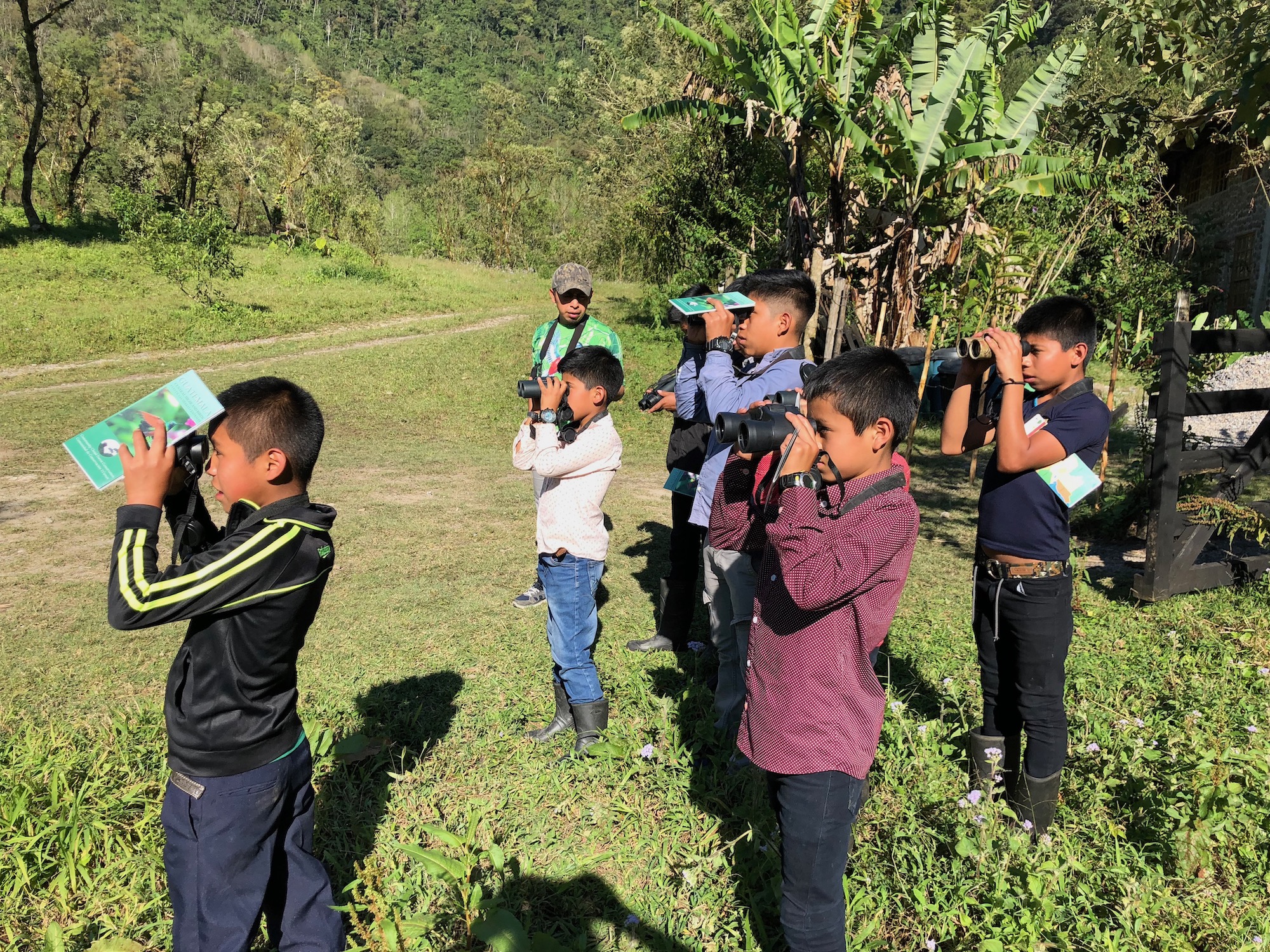
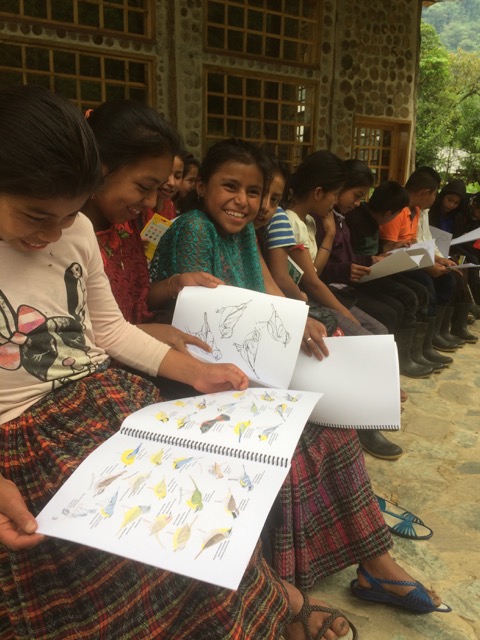
Children got outside and in close contact with birds.
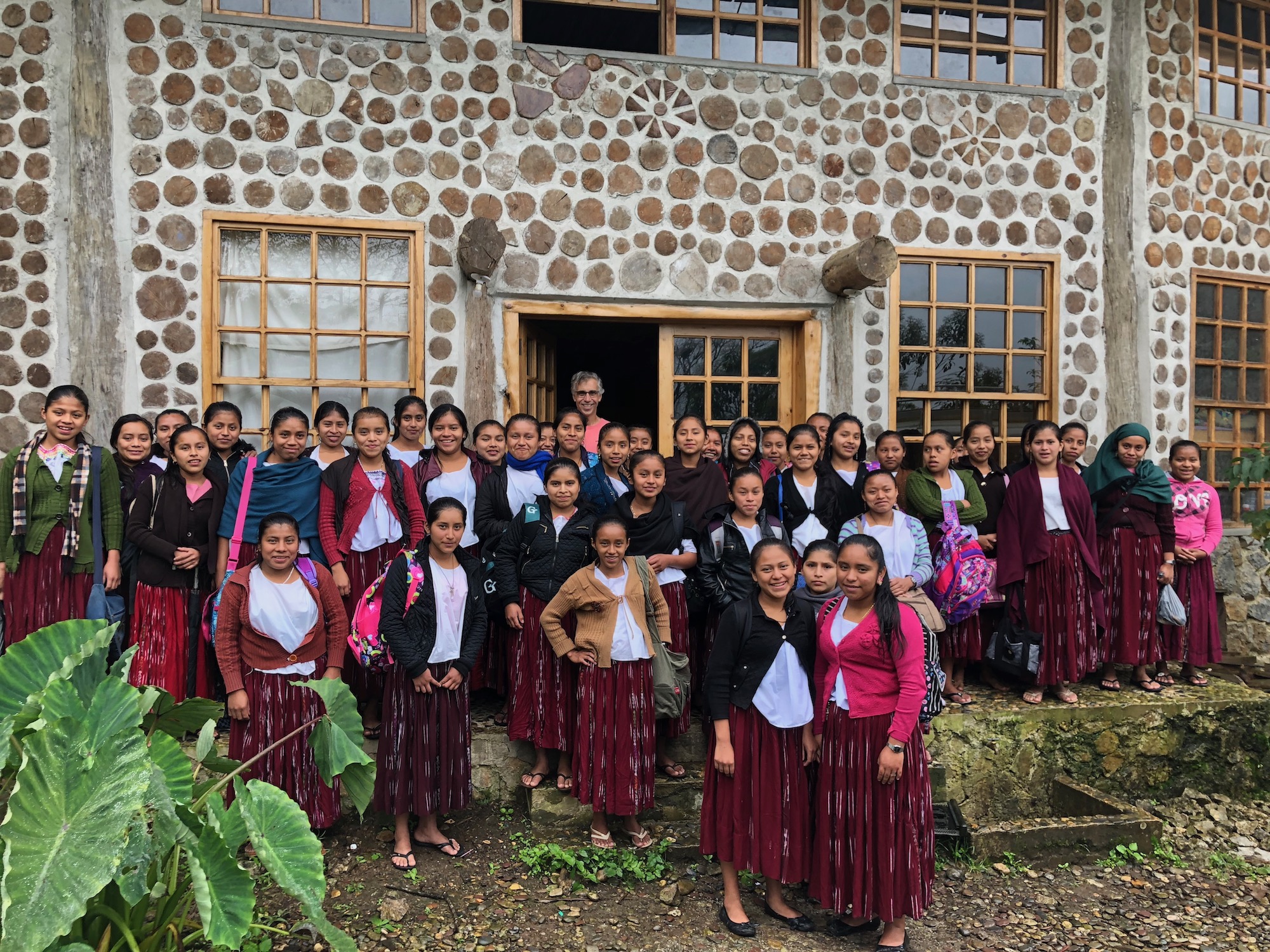
Students from primary schools, middle schools, high schools and universities explored their connections in a world of life.
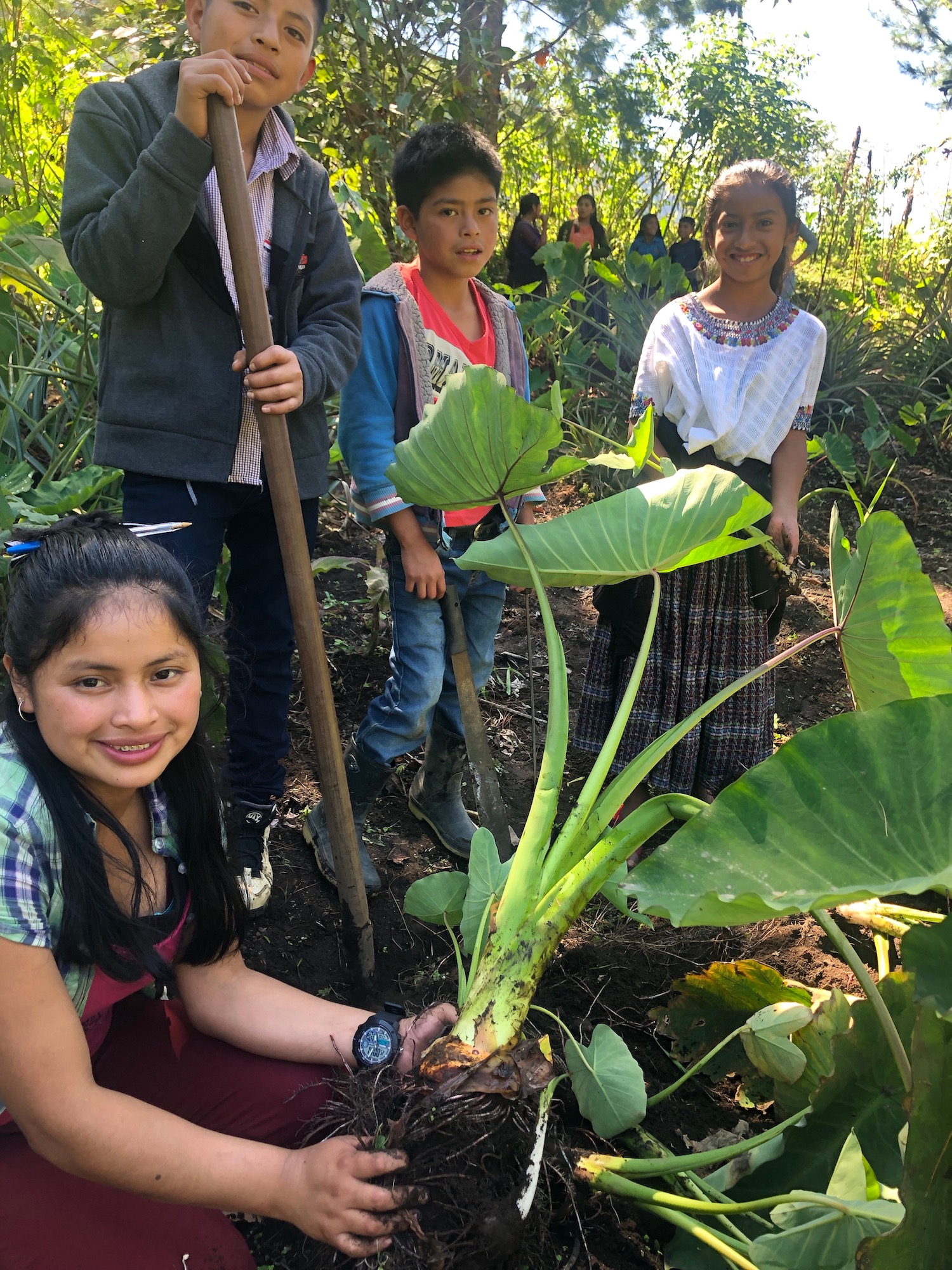
Primary students planted trees and and traditional crops in an agroforest parcel.
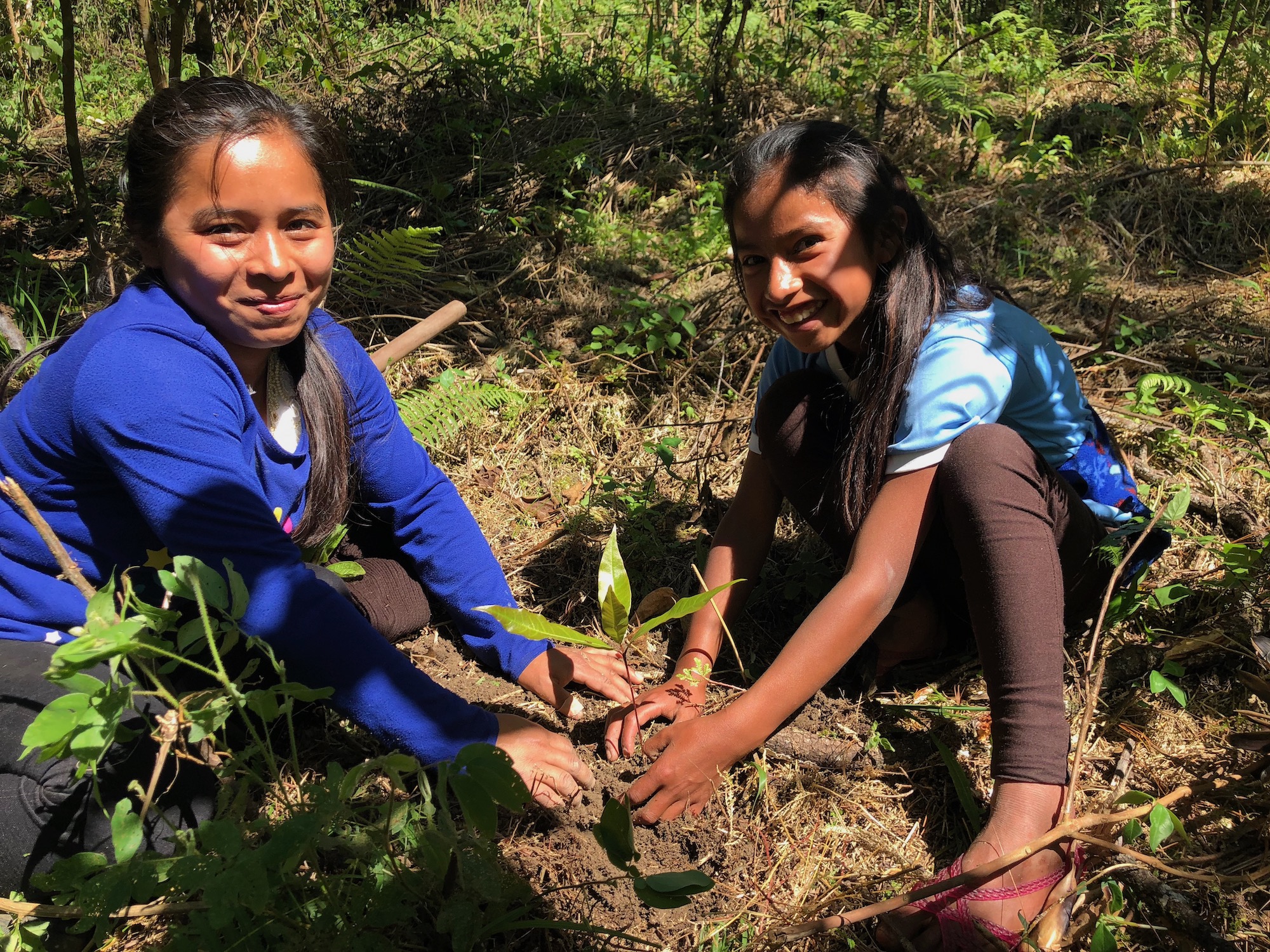
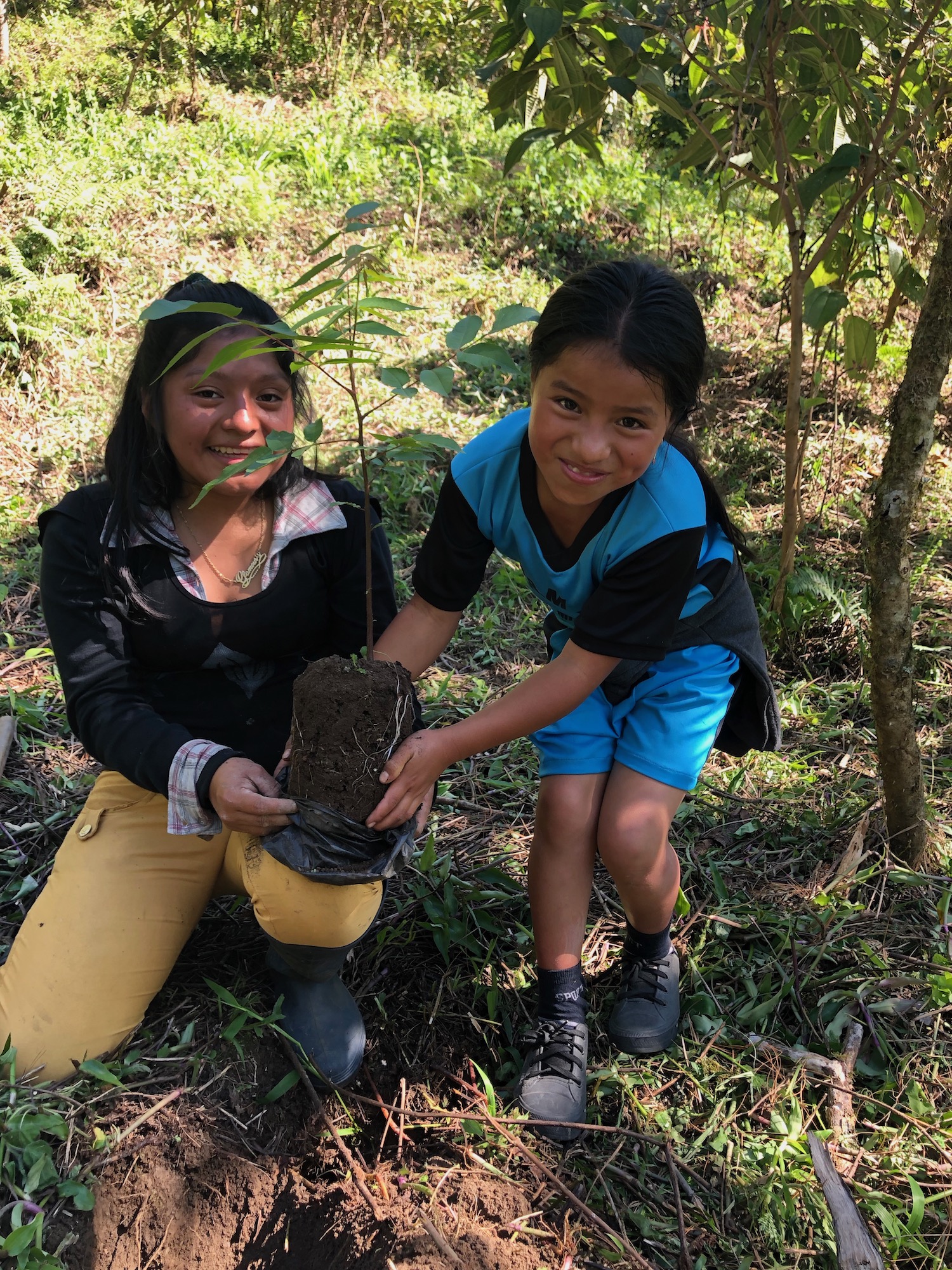
Children shared the joy and wonder of planting trees.


Our 2020 Team

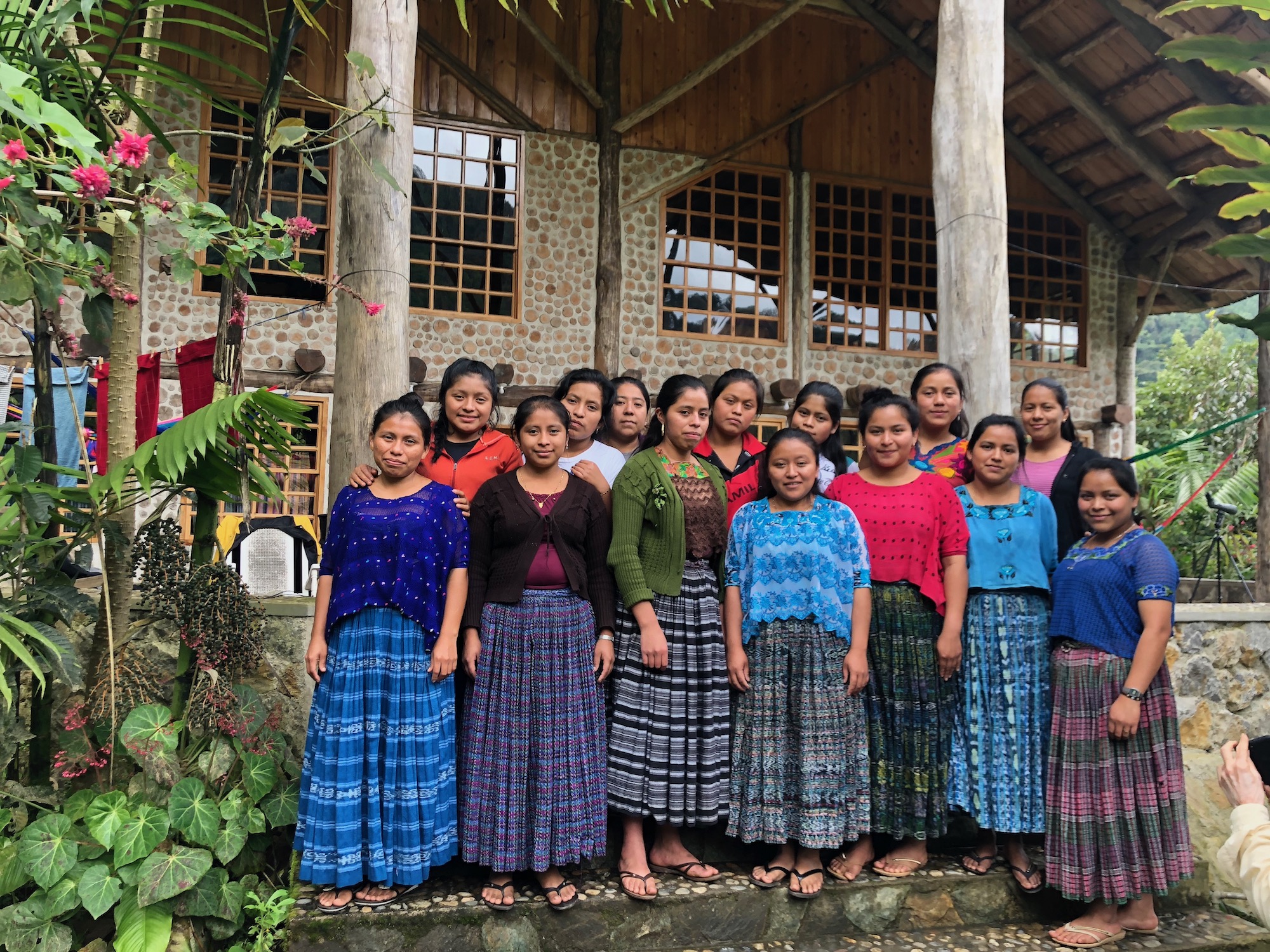
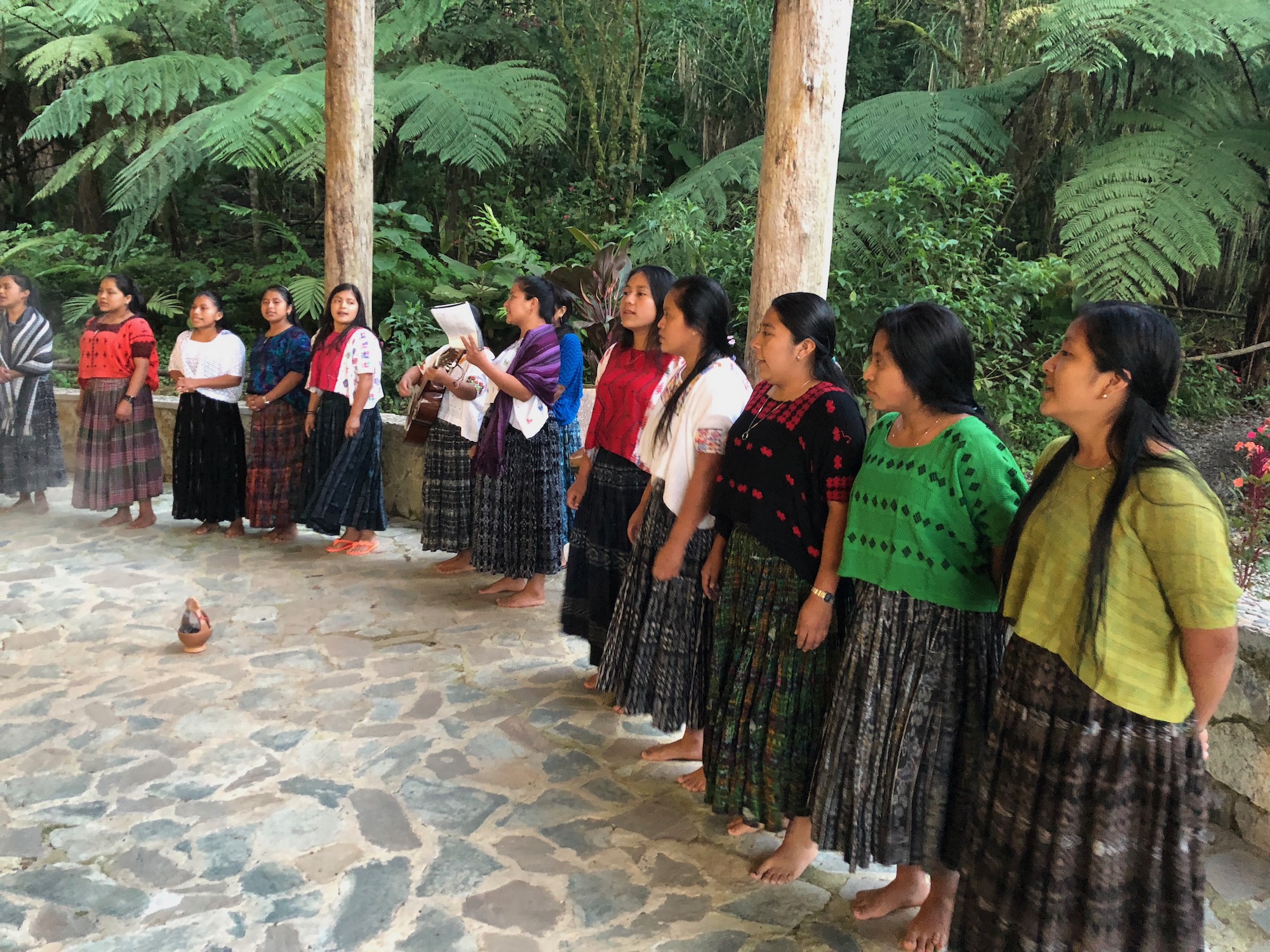
Dedicated and creative CCFC Advanced WALC Interns made the year a successes. We began 2020 with 20 young women interns, all alumnae of the WALC program. We are thankful that, most overcame COVID challenges to complet another year of university or high school studies.
Rudy René Botzoc Caal shared his enthusiasm about birds and for conservation with Kids and Birds students and with families in the villages where he completed his senior university practicum in Environmental Management.
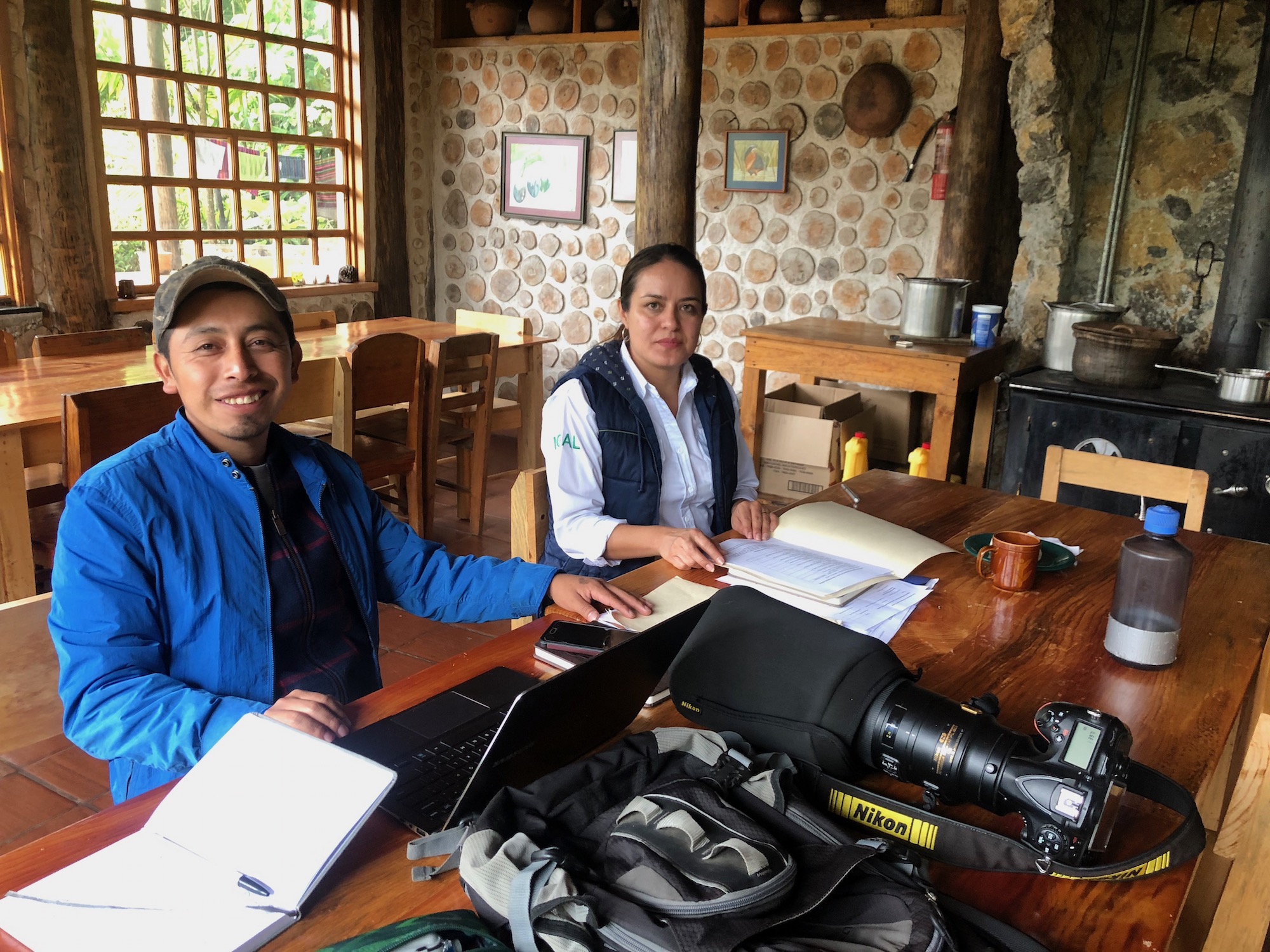
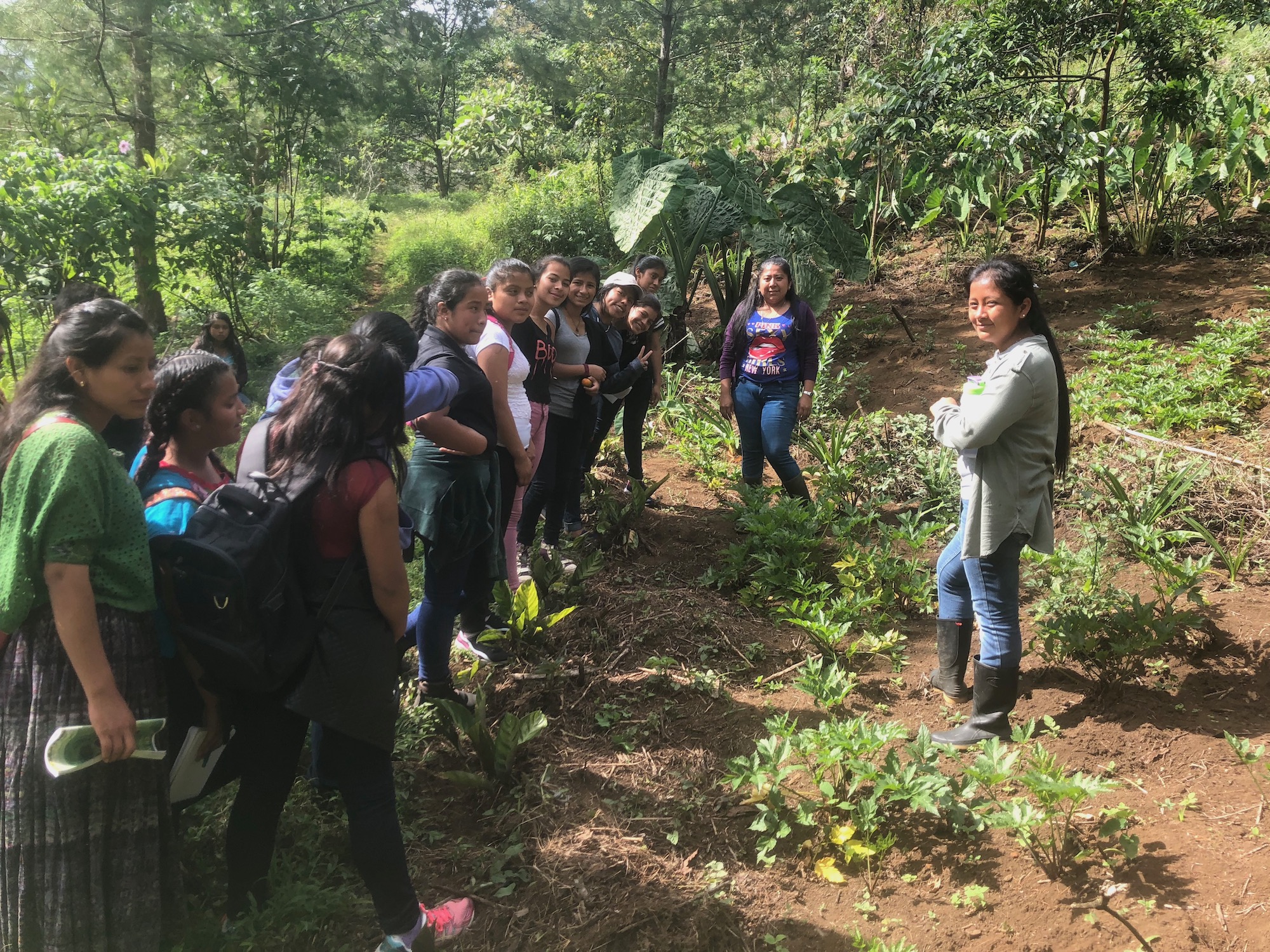
Mirna Xuc Caal and Estela Bo Tec taught ecology of agroforest parcels to high school students .


CCFC’s off campus work during the Covid-19 pandemic

We are thankful that, despite closing CCFC on-campus programs mid-March, many Advanced WALC Interns continued to work as part of the CCFC team. Some did follow-up interviews with WALC students in their villages throughout the 2020 school year.
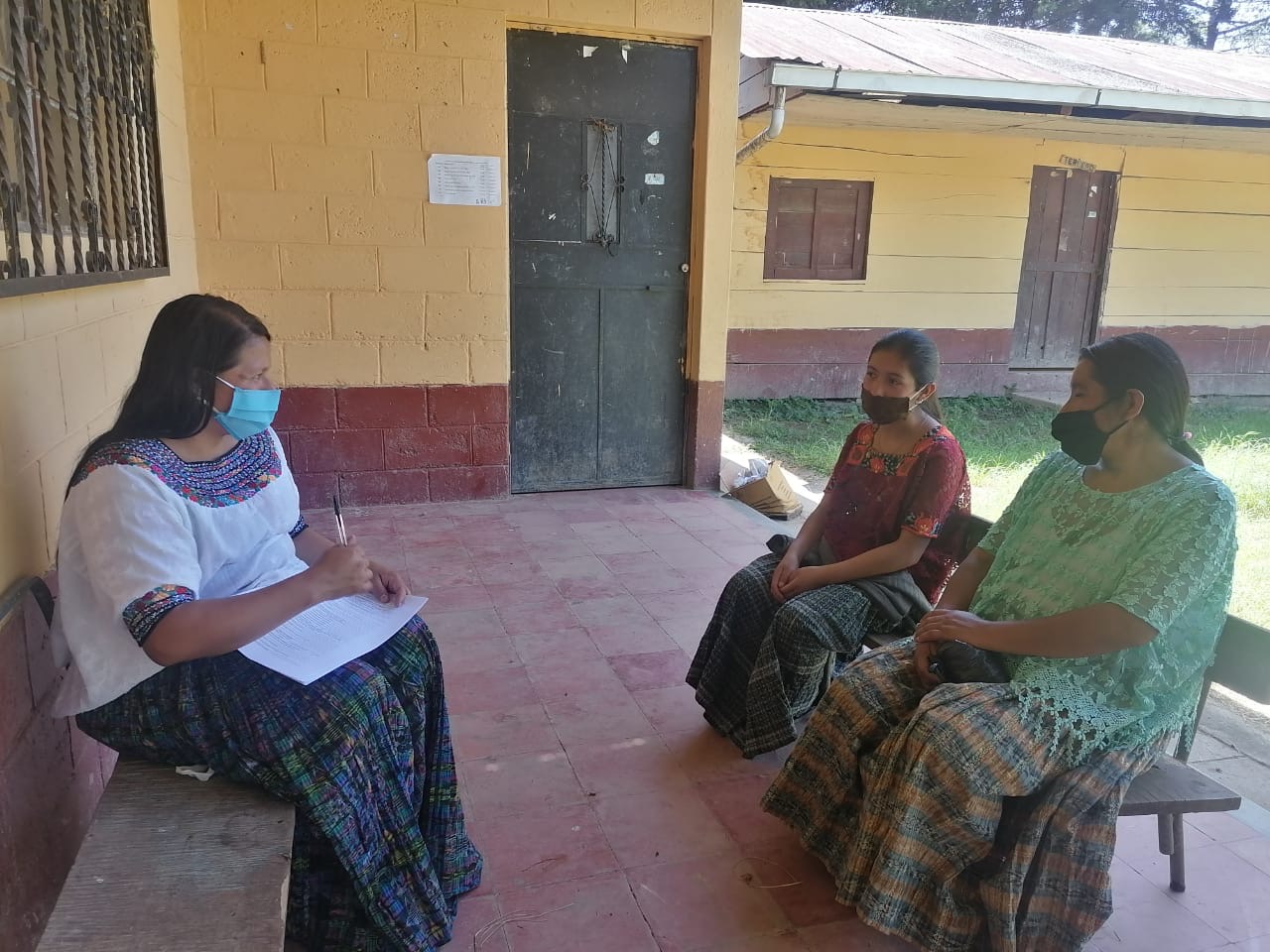
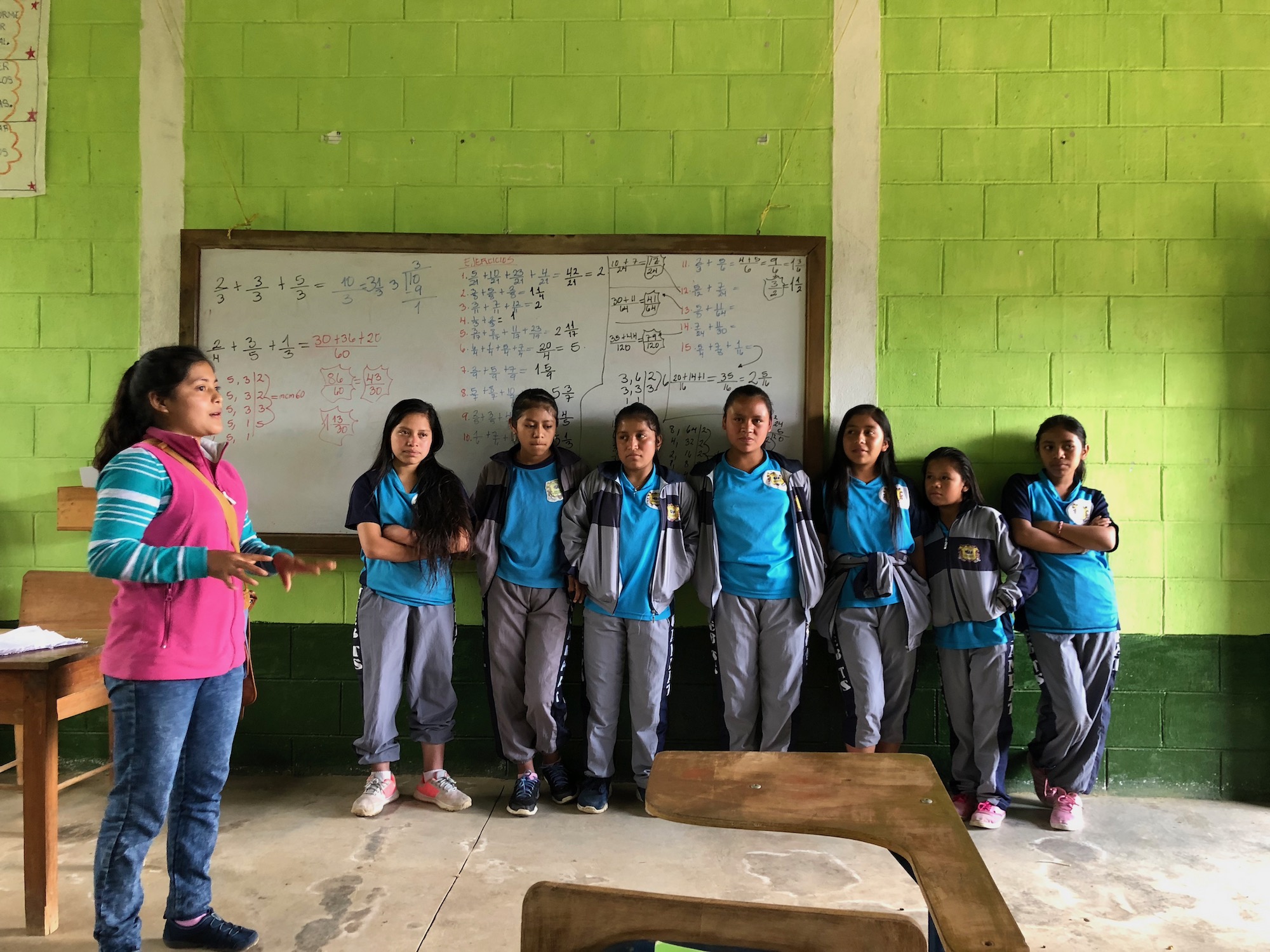
We are amazed that of 219 students who participated in the fall of 2019 WALC program, 212 continued to study through the end of the school year 2020, despite the challenges of distance learning. Only 3.2% quit studying! Remarkable, given that, during a normal year, the school drop out rate for WALC students is 5%, while 75% for other girls in their villages.
WALC Scholarships

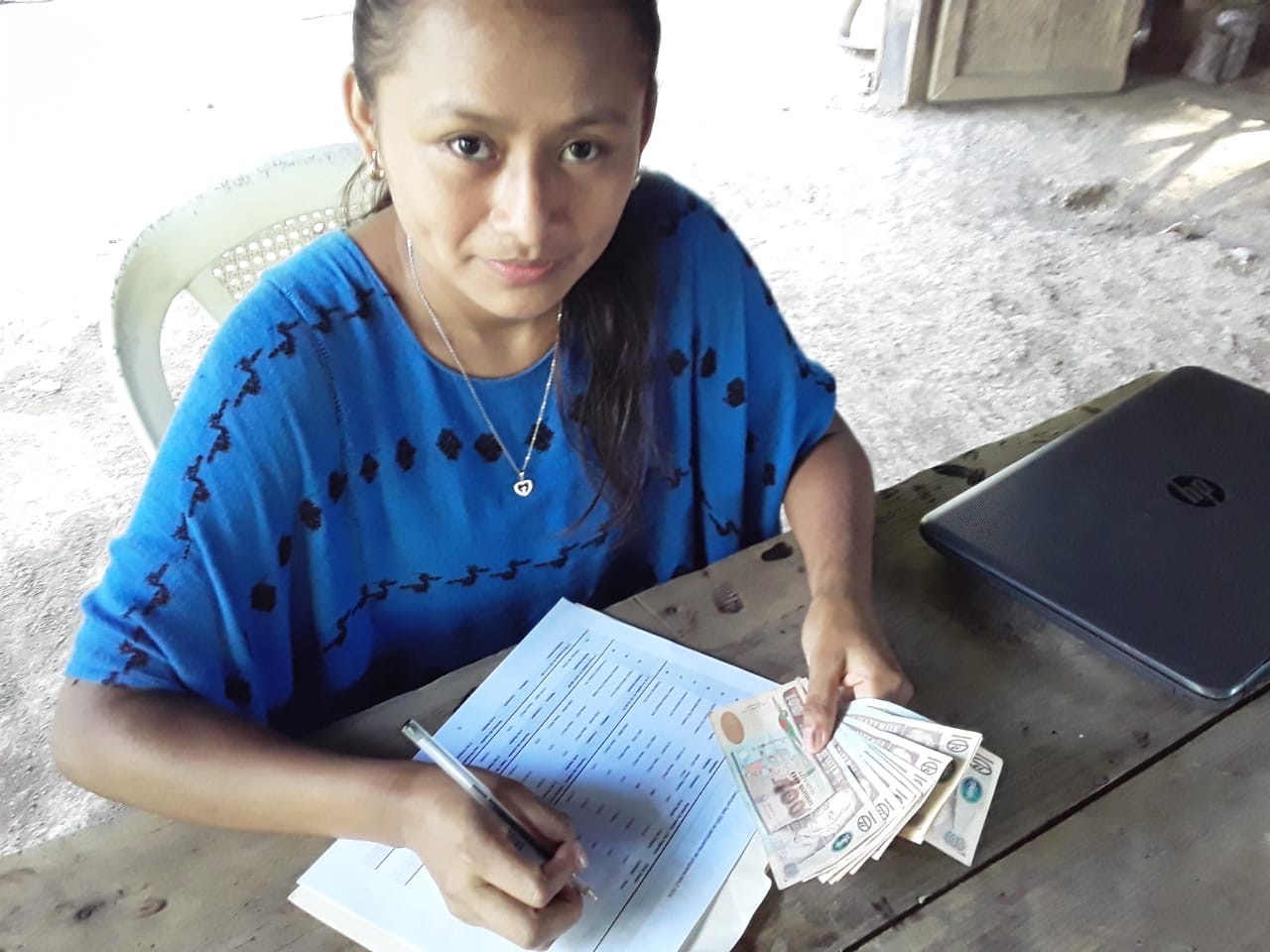
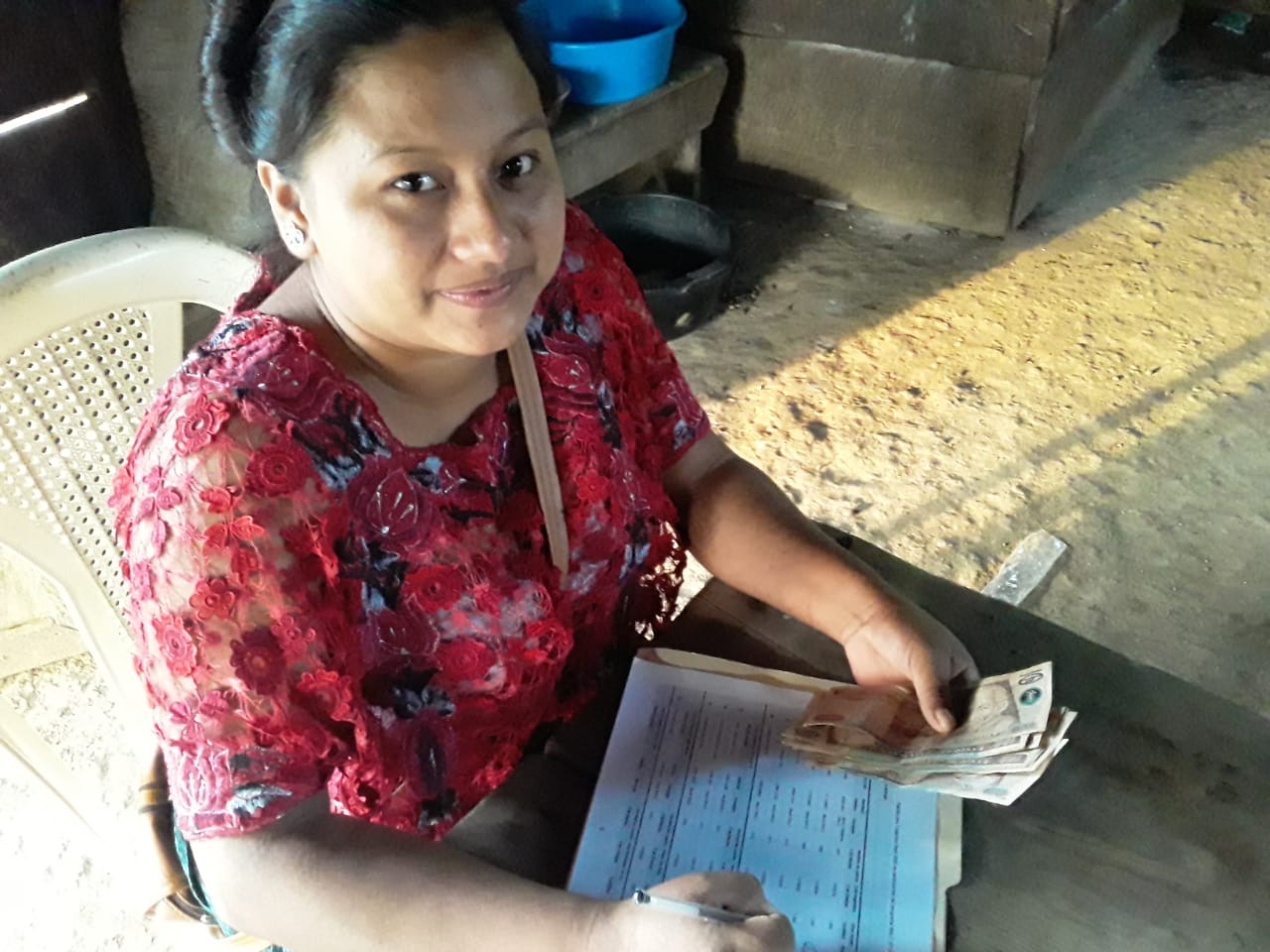
We are thankful that during 2020 CCFC provided Q346,616.00 (nearly $46,000 in U.S. dollars) in scholarships to support 188 WALC students who met all program requirements. Normally, CCFC hosts a scholarship awards celebration in Cobán. This year scholarships were given in the villages by check and direct deposit. Thank you for supporting women’s education!
We are thankful for the social media network WhatsApp that kept us in contact with the majority of this year’s 219 WALC students. We formed a chat group for each WALC session, through which students kept in touch with each other, encouraged one another, celebrated victories, and shared challenges.

A Gift of Trees from Dining For Women

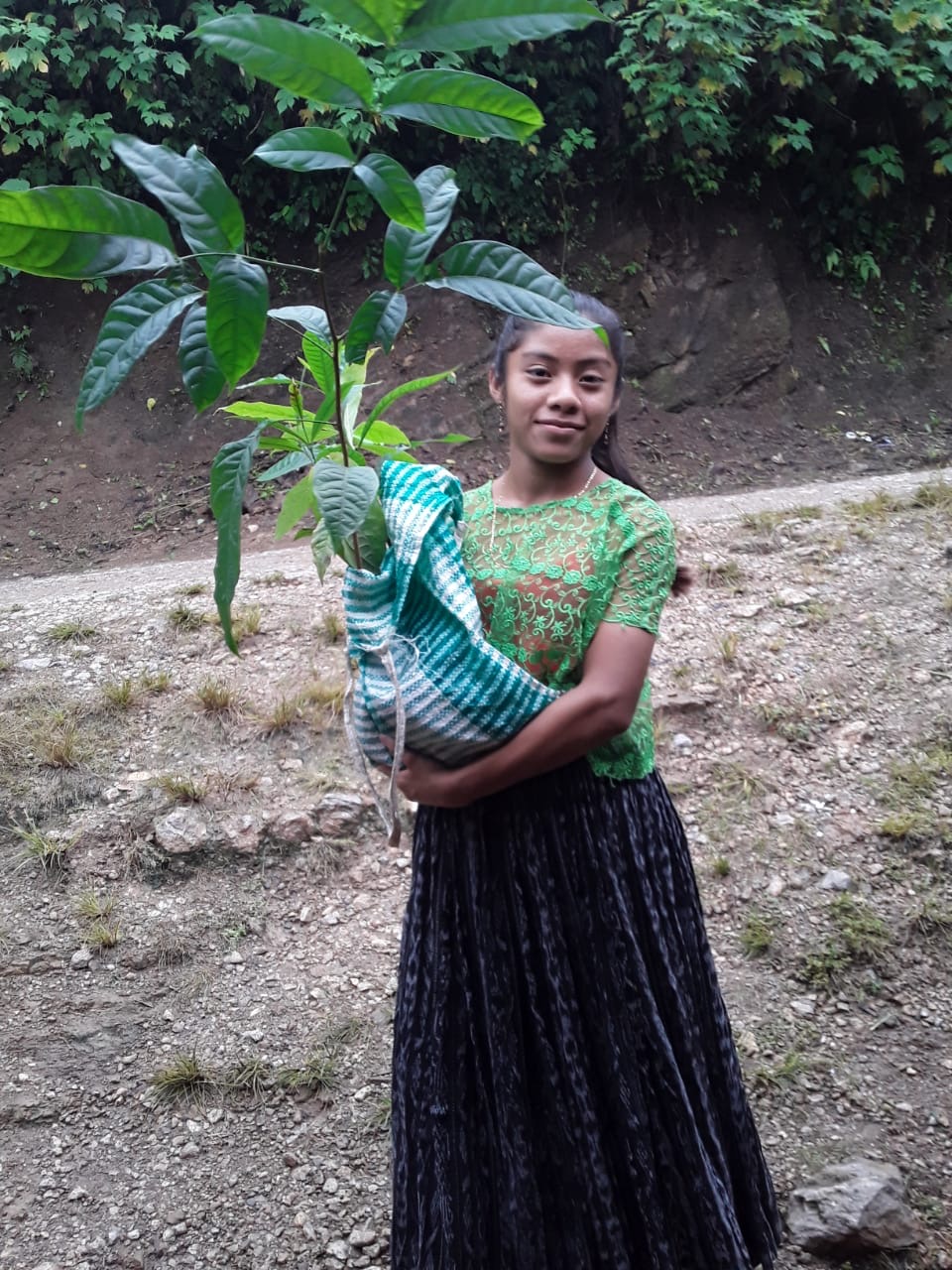
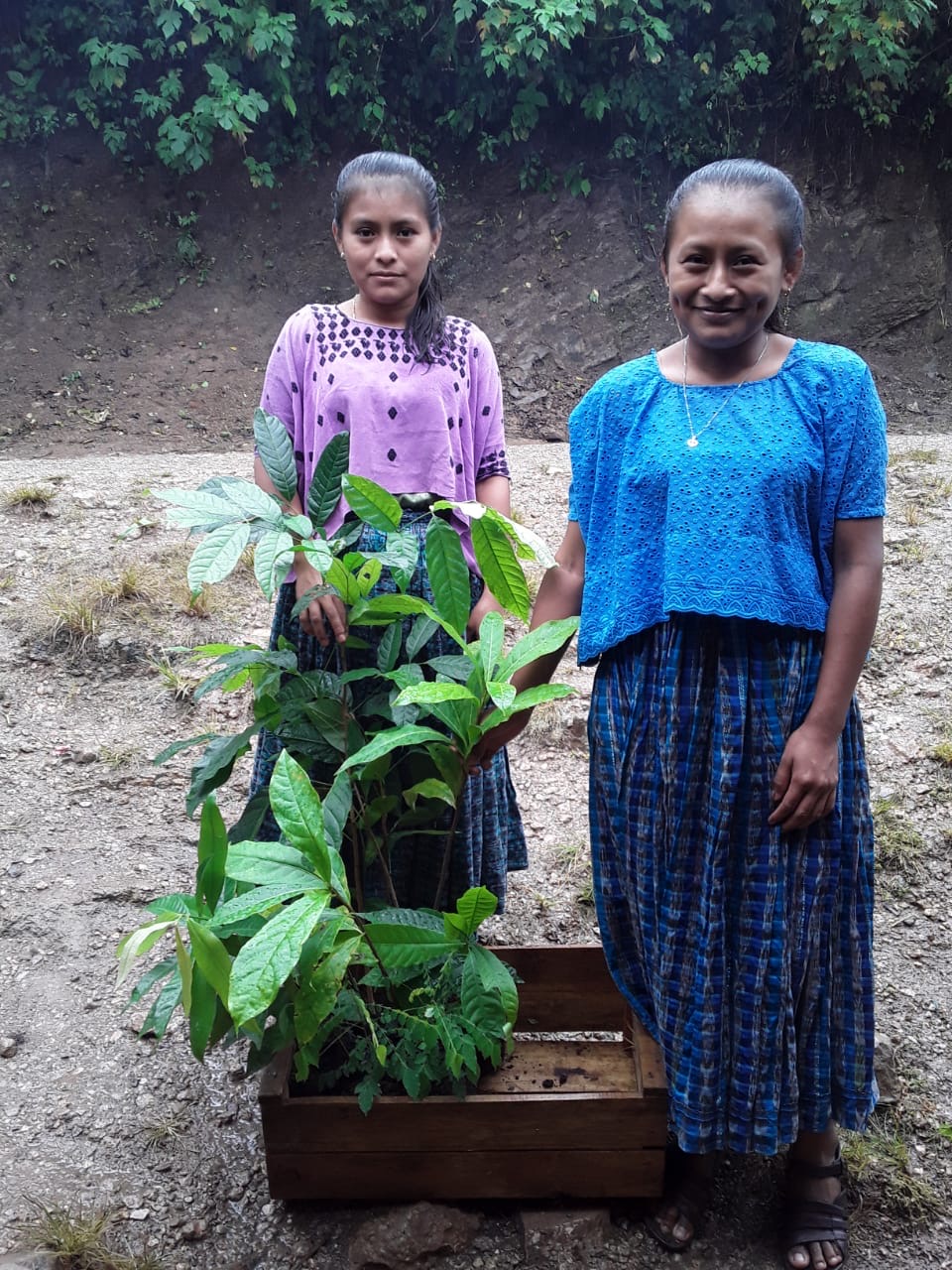
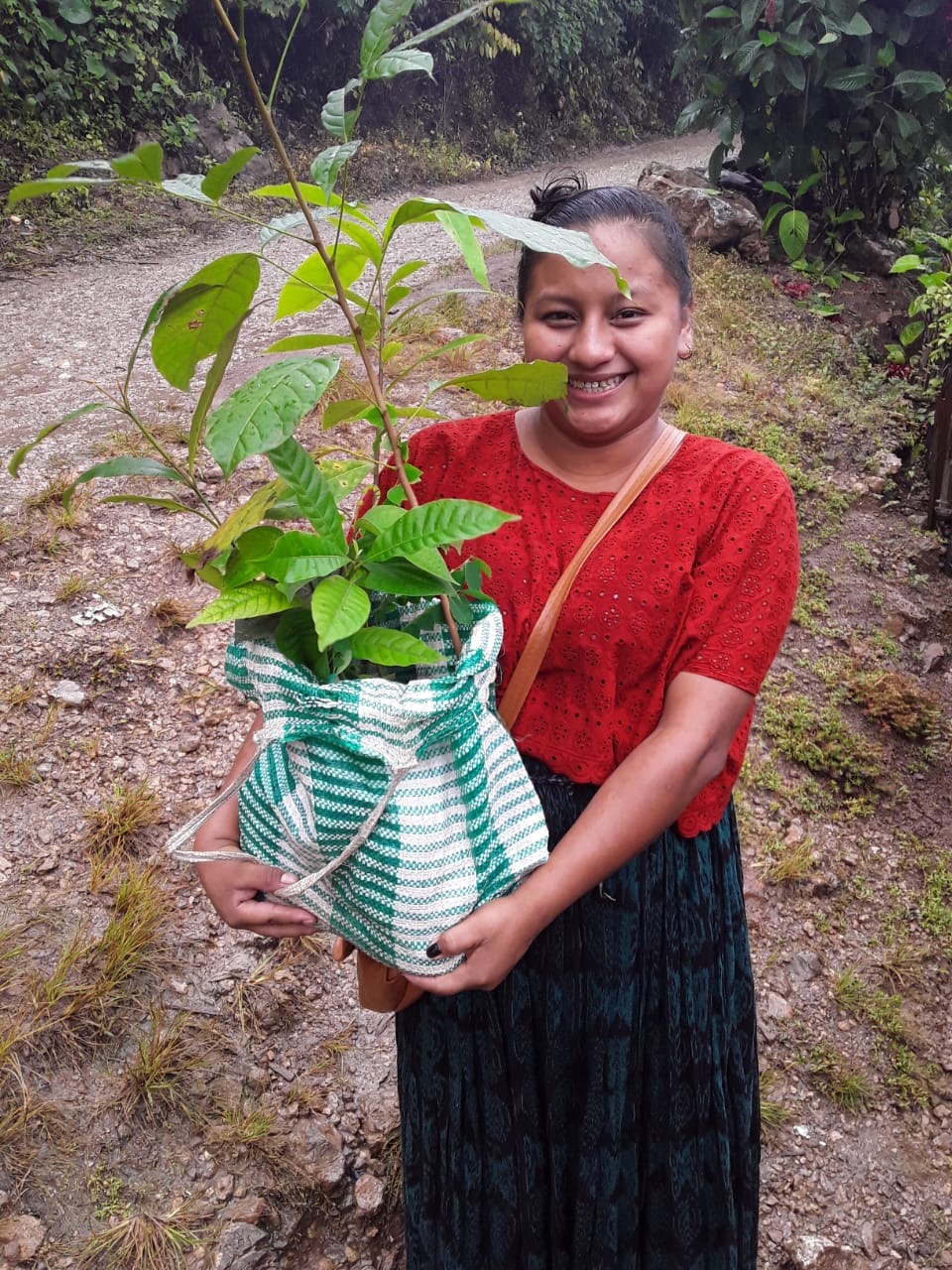
Thanks to supporting partner Dining For Women, we gave 500 more fruit trees to WALC students for their forest gardens.
Here’s a fun video clip from giving the fruit trees:

video clip trees for Cahabon

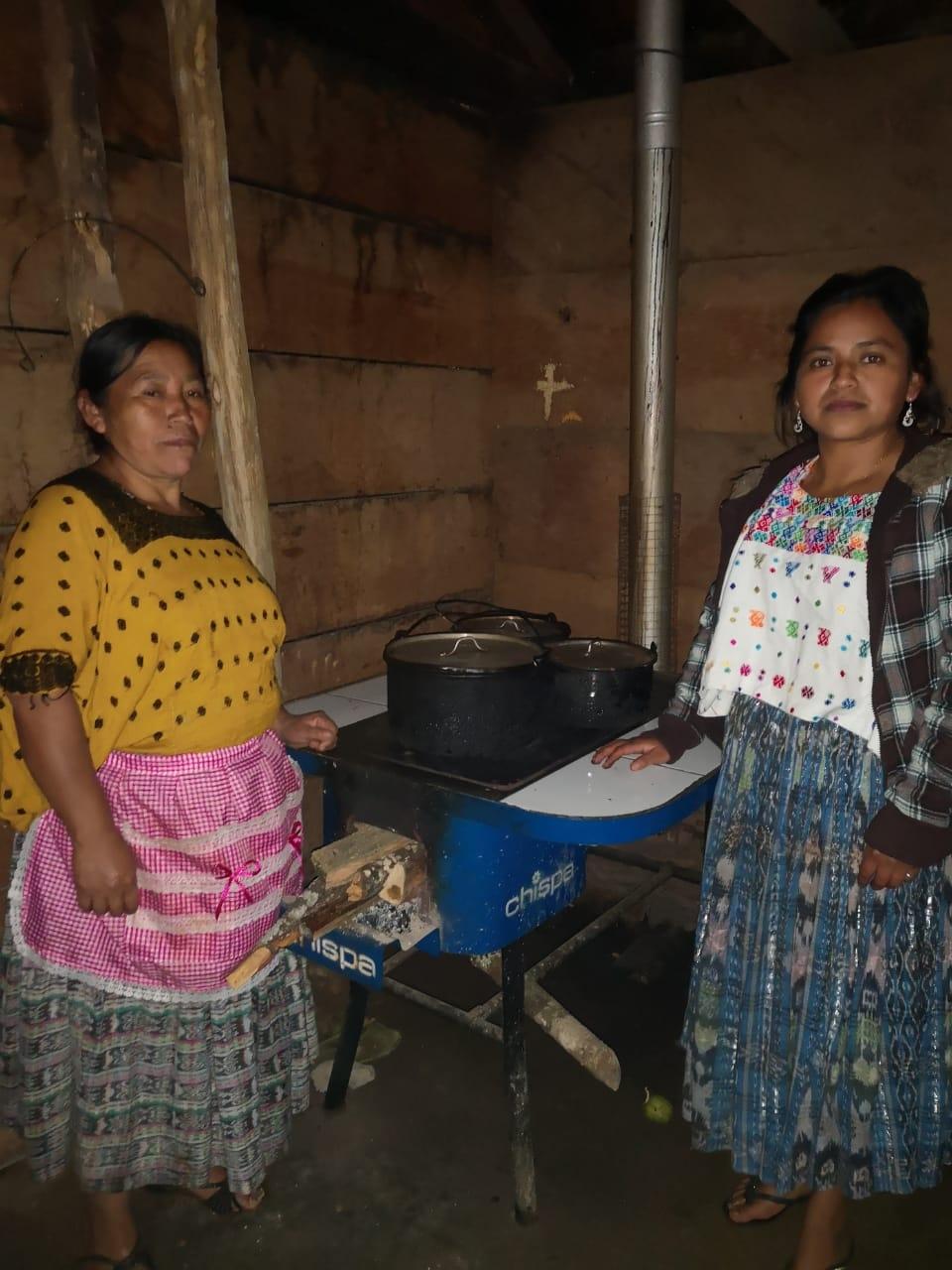
Clean Cooking Initiative: cook stoves improve family health and save fire wood

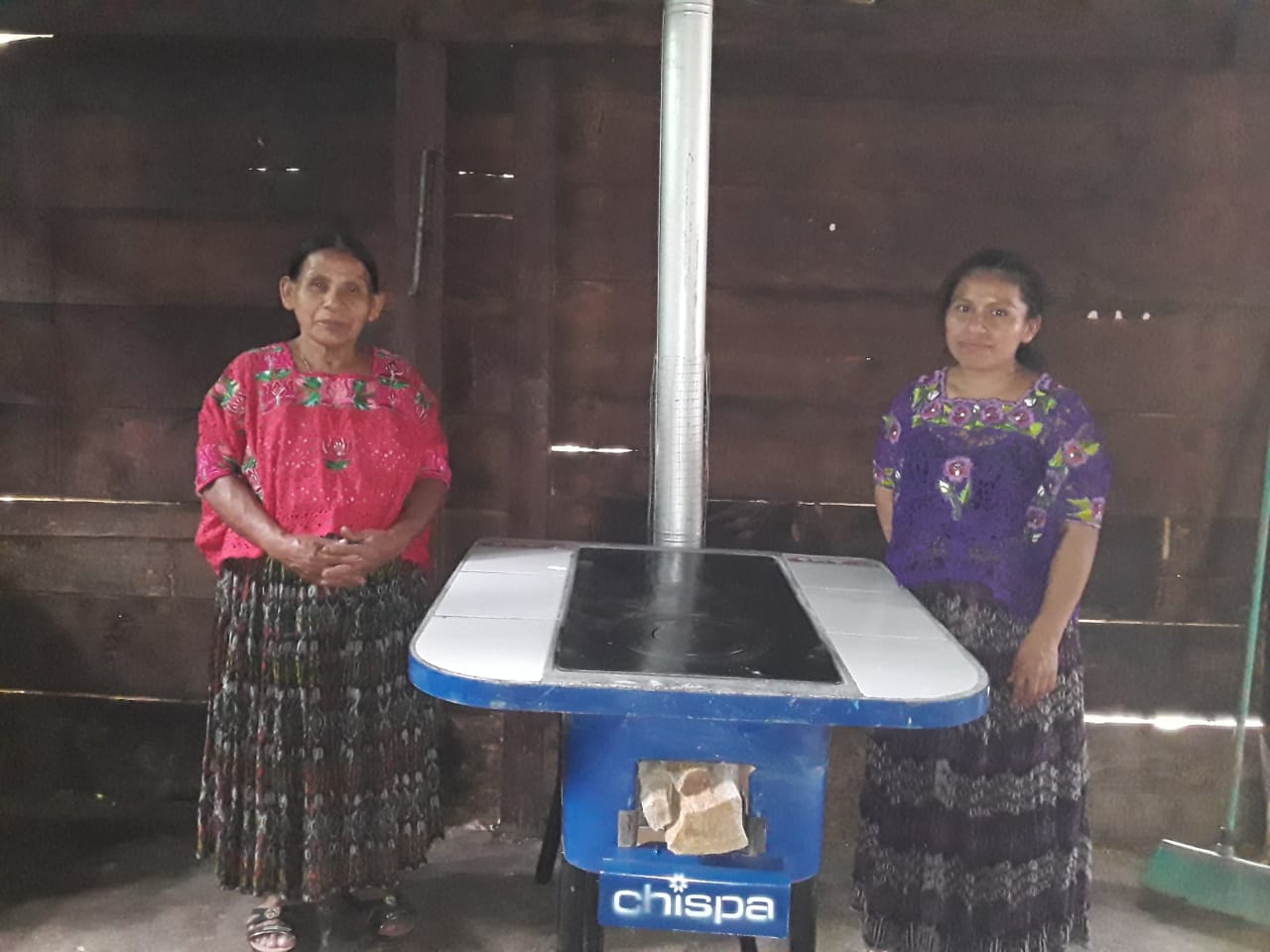
In the Verapaz of Guatemala, most families cook food on an open fire inside their kitchen. Women and young children in particular breathe smoke contaminated air. WALC participants learn to use improved stoves with chimneys that remove smoke from the kitchen, improving indoor air quality. Smoke free kitchens reduce transmission of airborne diseases that cause bronchitis, pneumonia and COVID. To date, we installed 12 stoves for WALC students’ families.  Thanks to your support, CCFC provided  a 25% discount on each stove purchased. More are being ordered for 2021.
Back-to-back Hurricanes in November

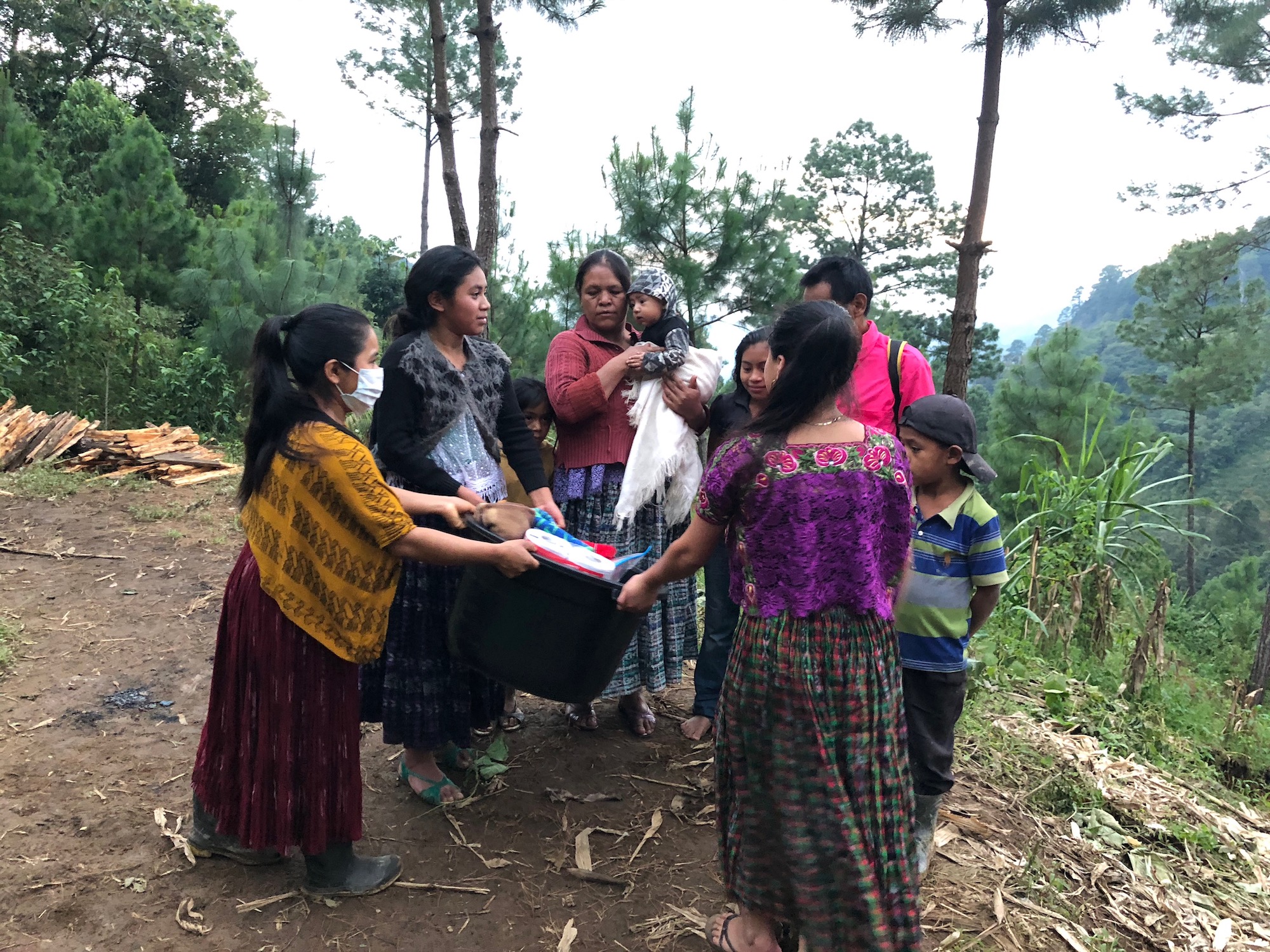
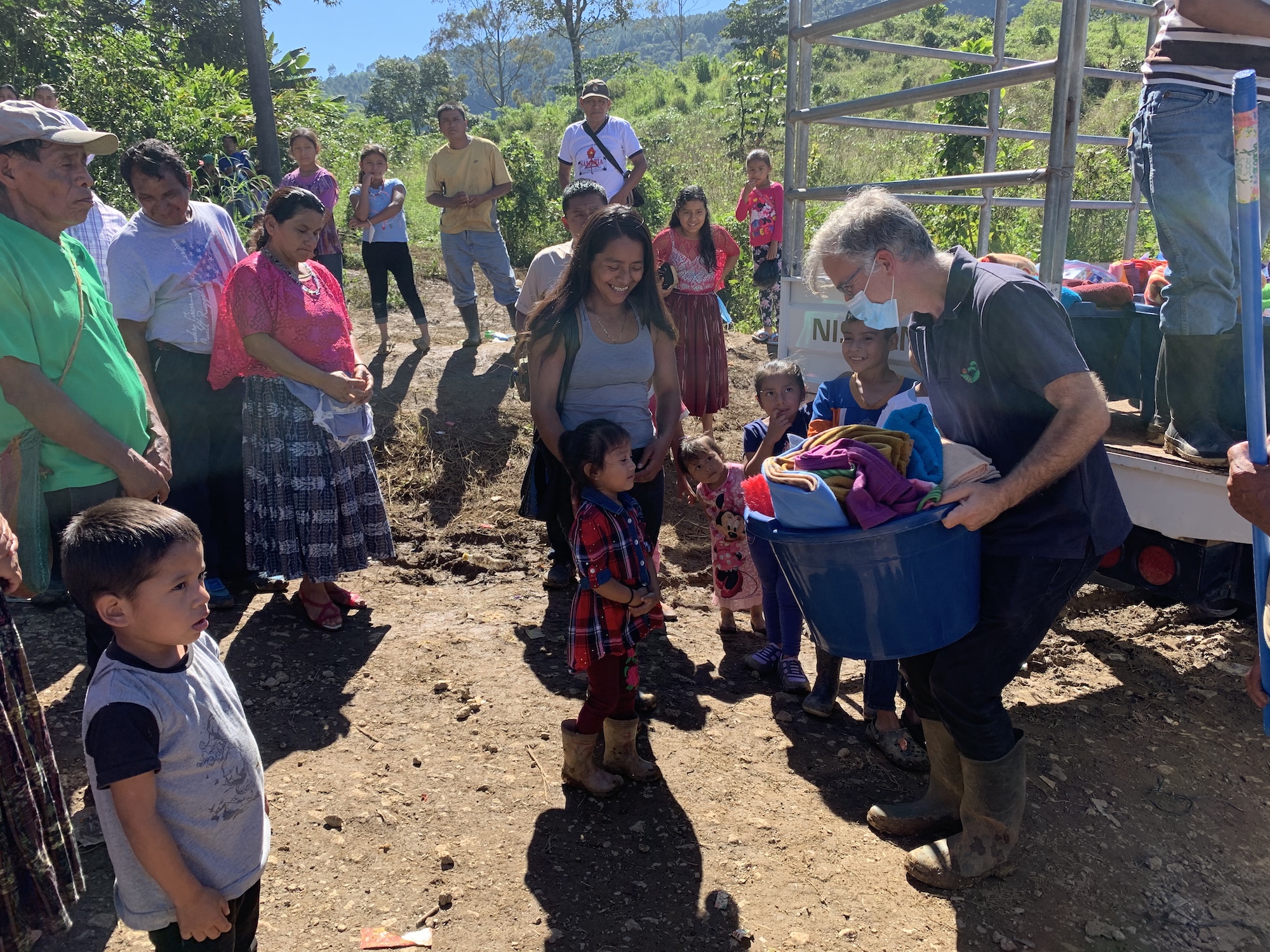
The WhatsApp groups were especially important after hurricanes Eta and Iota, because they allowed us to check in. Some WALC students’ villages were hit particularly hard. WALC interns helped us respond, distributing material aid to 74 families.
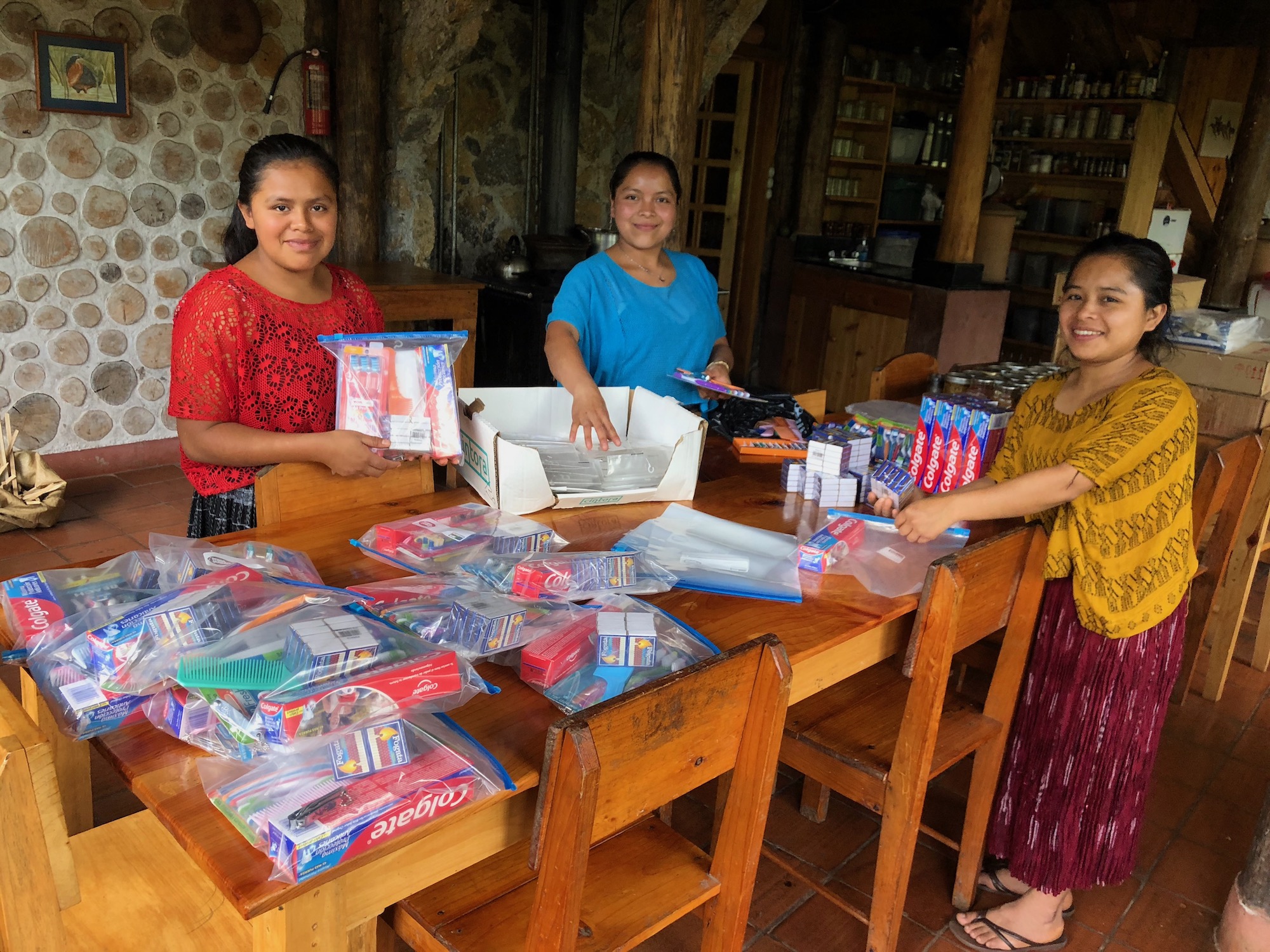
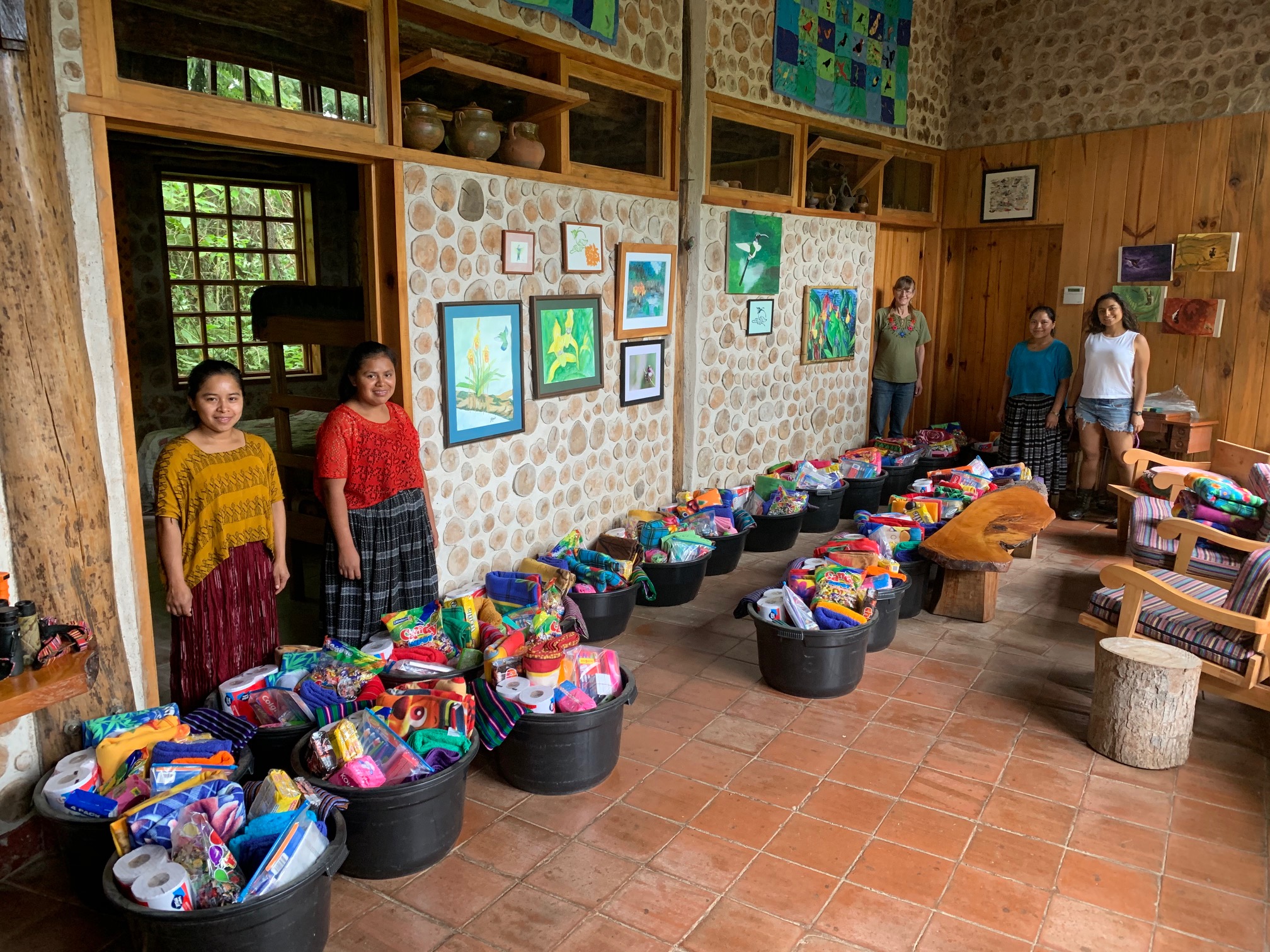
In the photo above Yolanda Cao presents a relief kit to the family of two sisters from the WALC program Lesbia and Lidia Cao Cao (no family relations to Yolanda).

Update:  December 24, 2020.   On the morning of Christmas Eve, we delivered hurricane kits to 48 families that were flooded out of their homes. The village of Chimote, Carcha met for a morning Christmas service and lunch. After the lunch we gave each of the 48 families a kit of essential items.
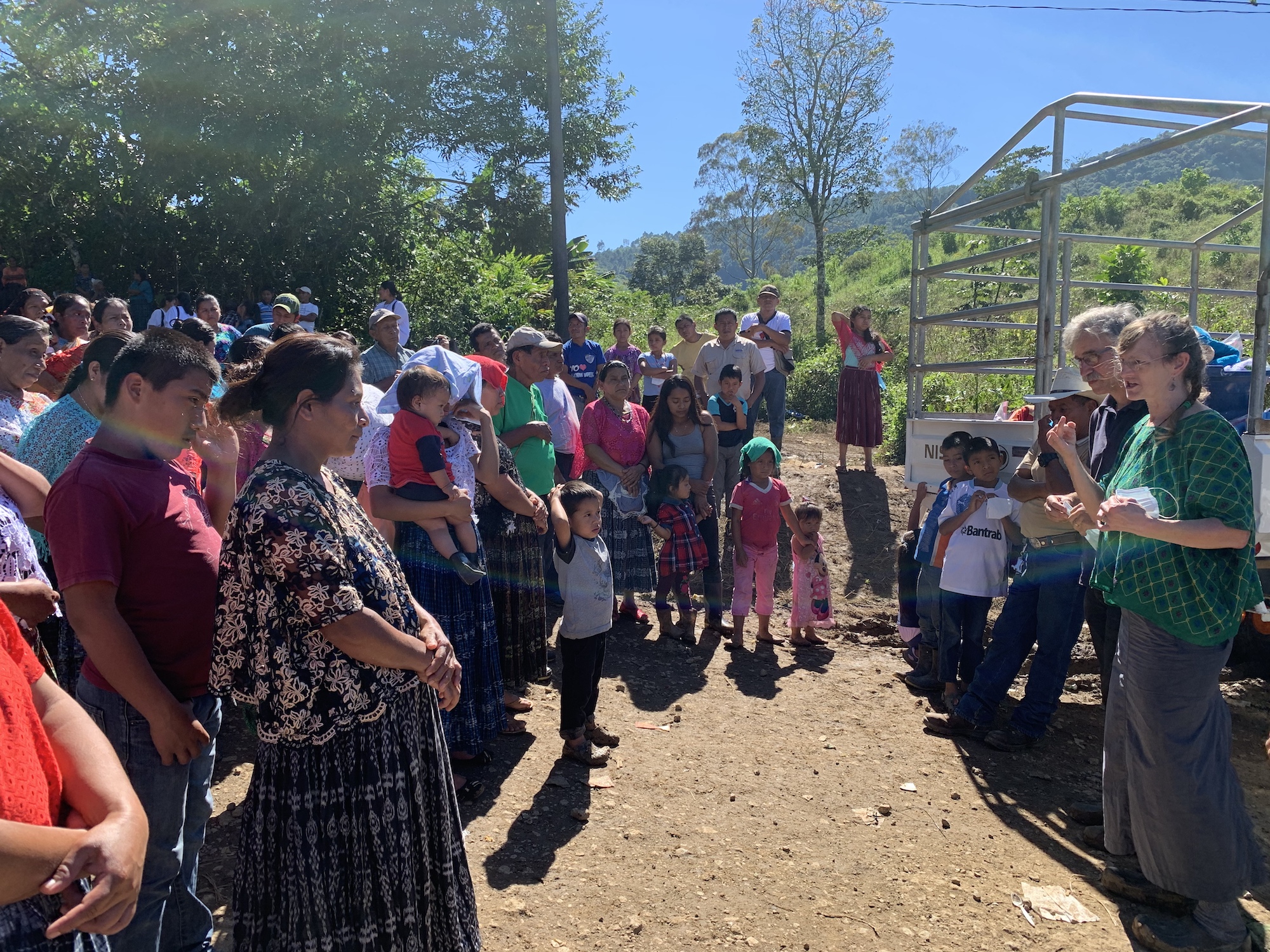
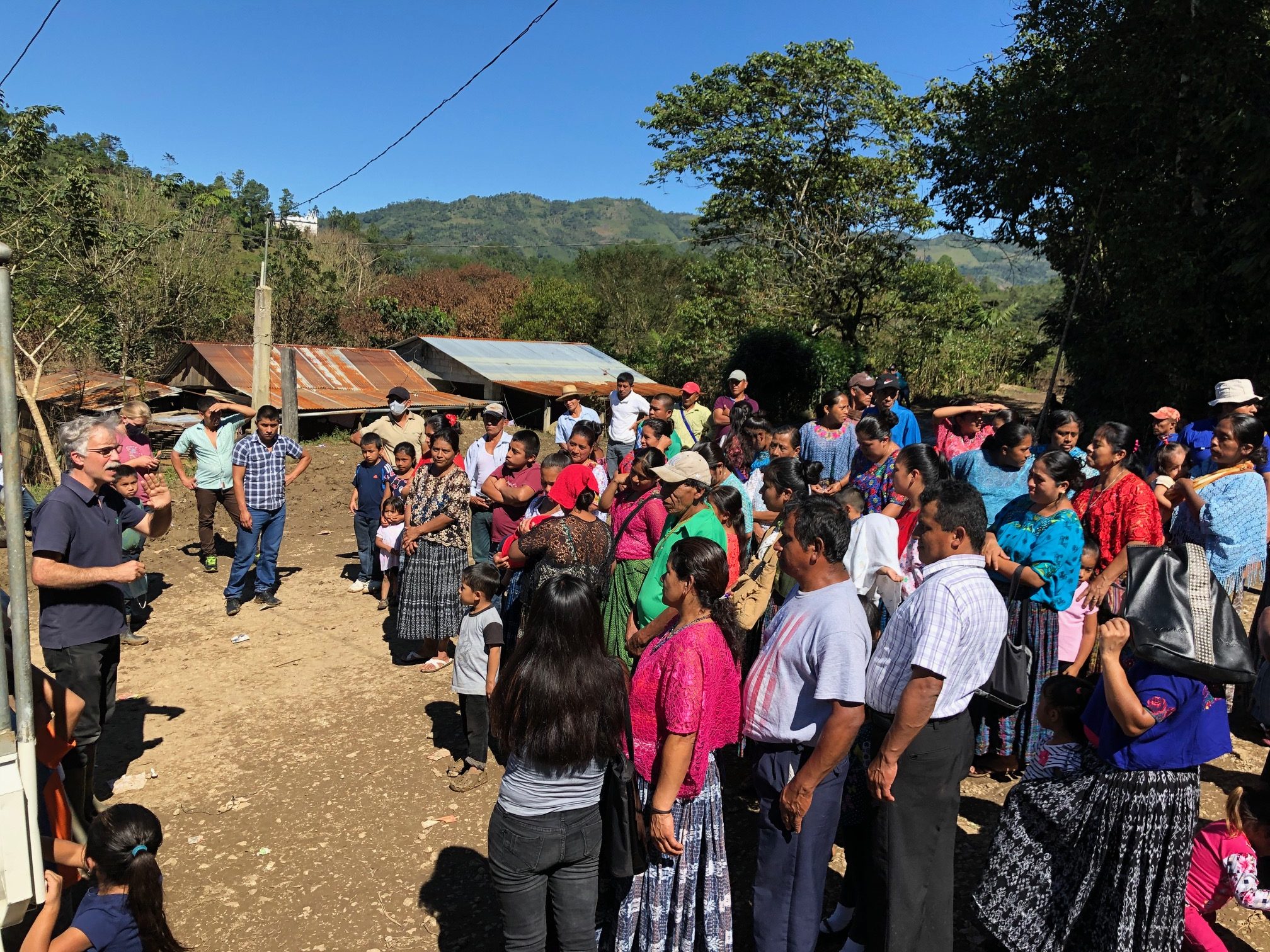
The homes of all 48 of these families were completely underwater, with the height of the water reaching several meters over their roof tops.
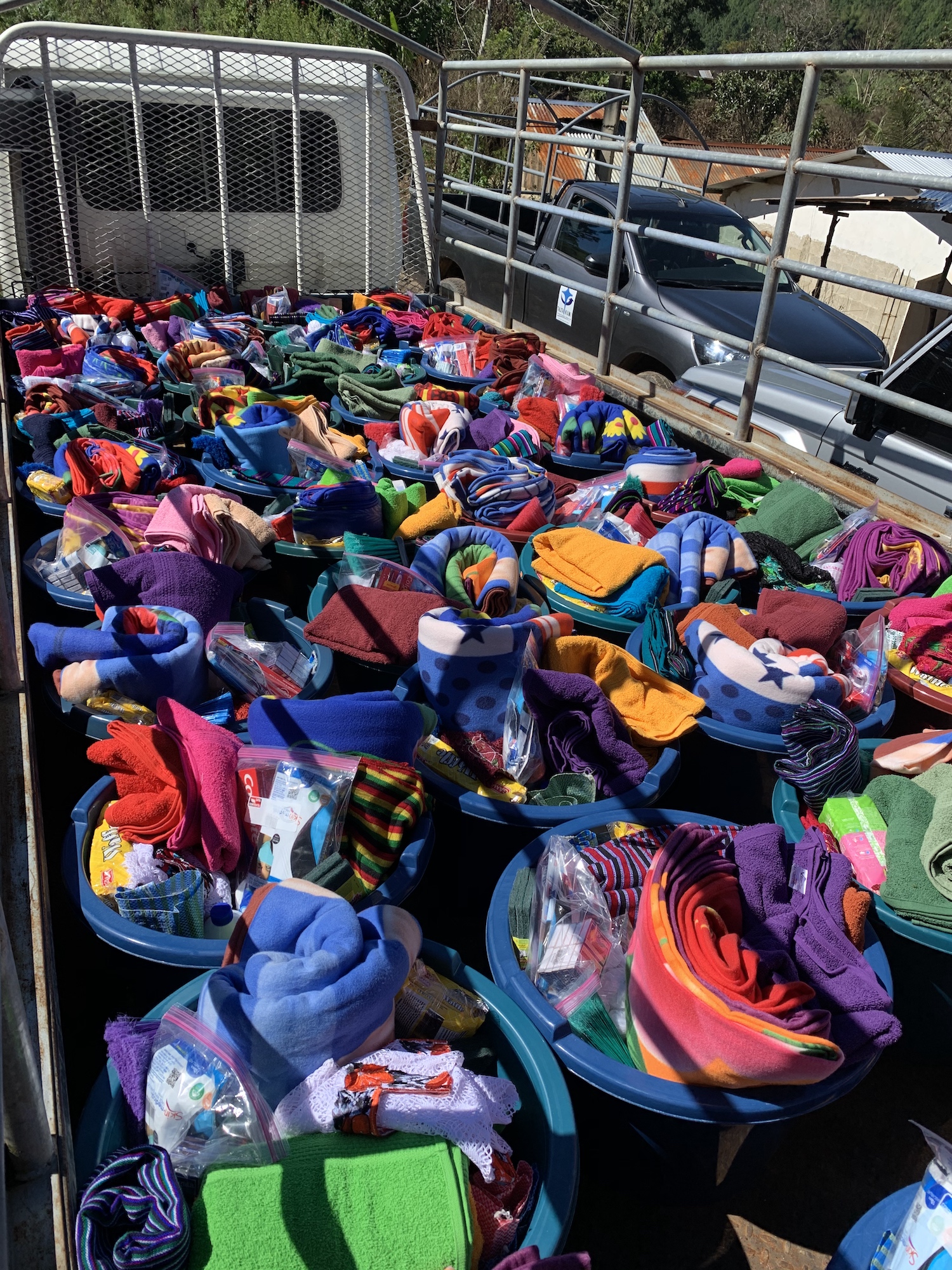
In total we purchased items, assembled into kits and distributed the kits to 74 families.


CCFC on-campus life during Covid-19.

We are thankful for Advanced WALC Interns who chose to complete their internships in quarantine at CCFC campus, to work on the CCFC agroforest parcels and to study on line university and high school throughout 2020.
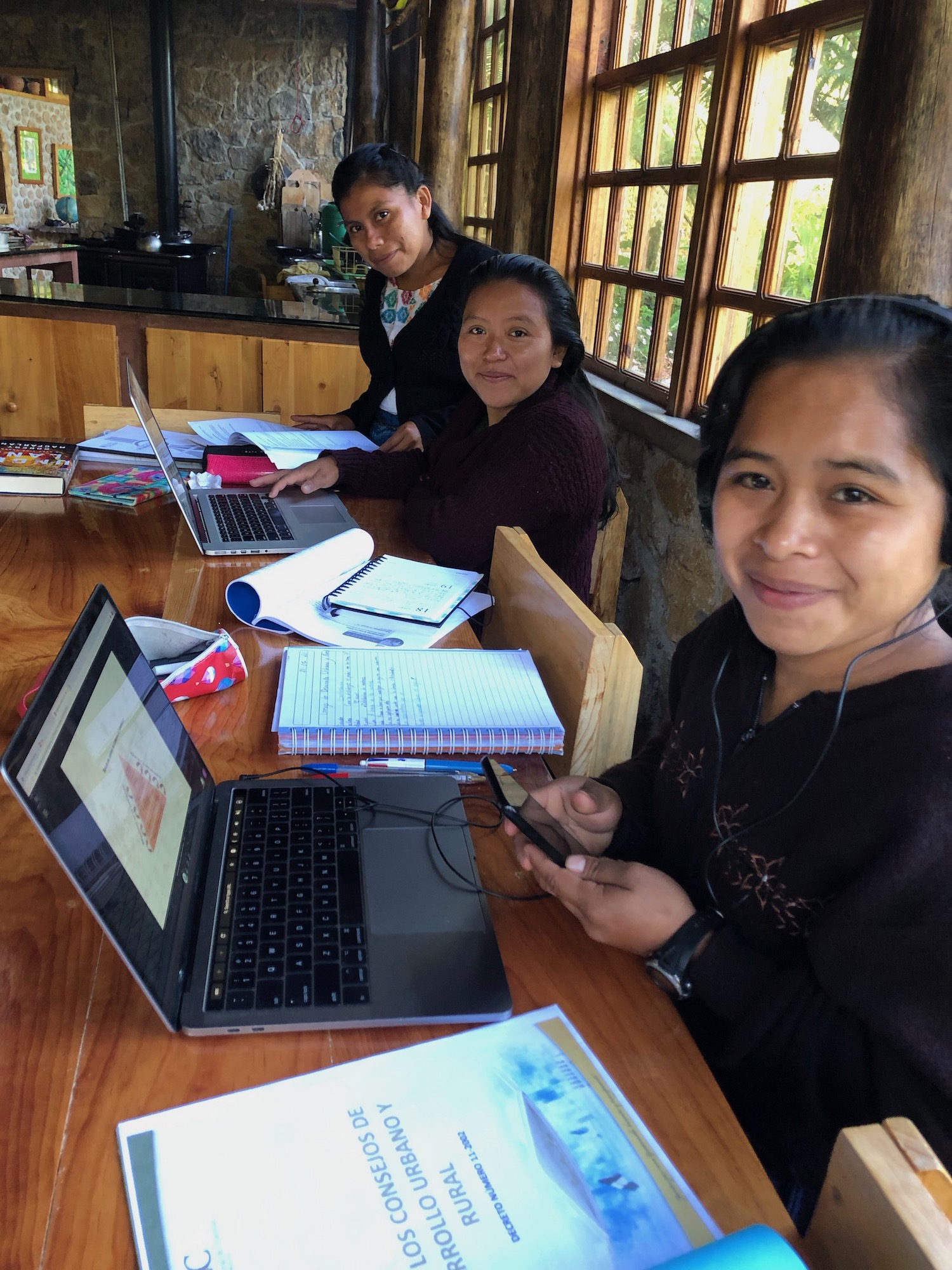
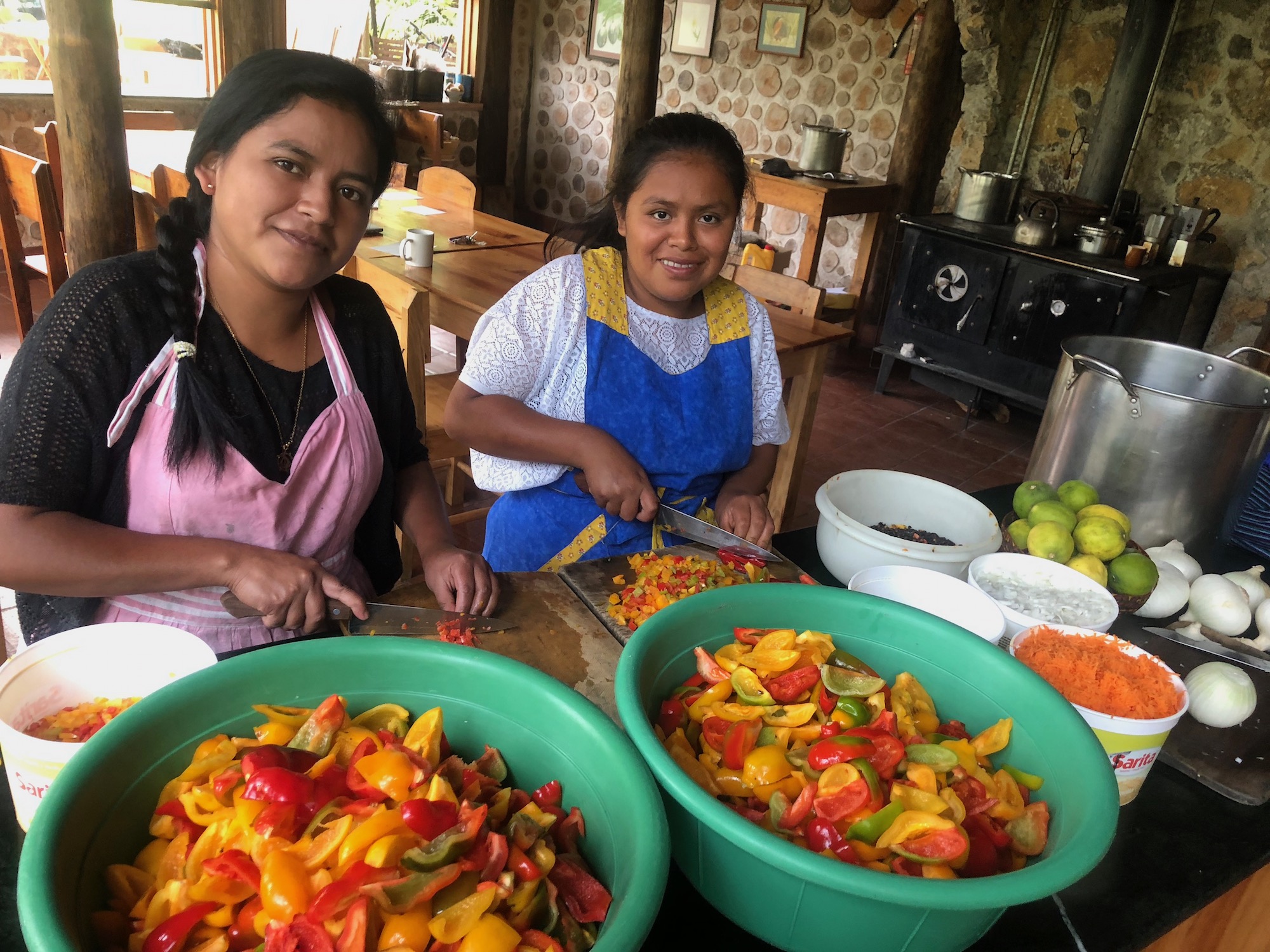
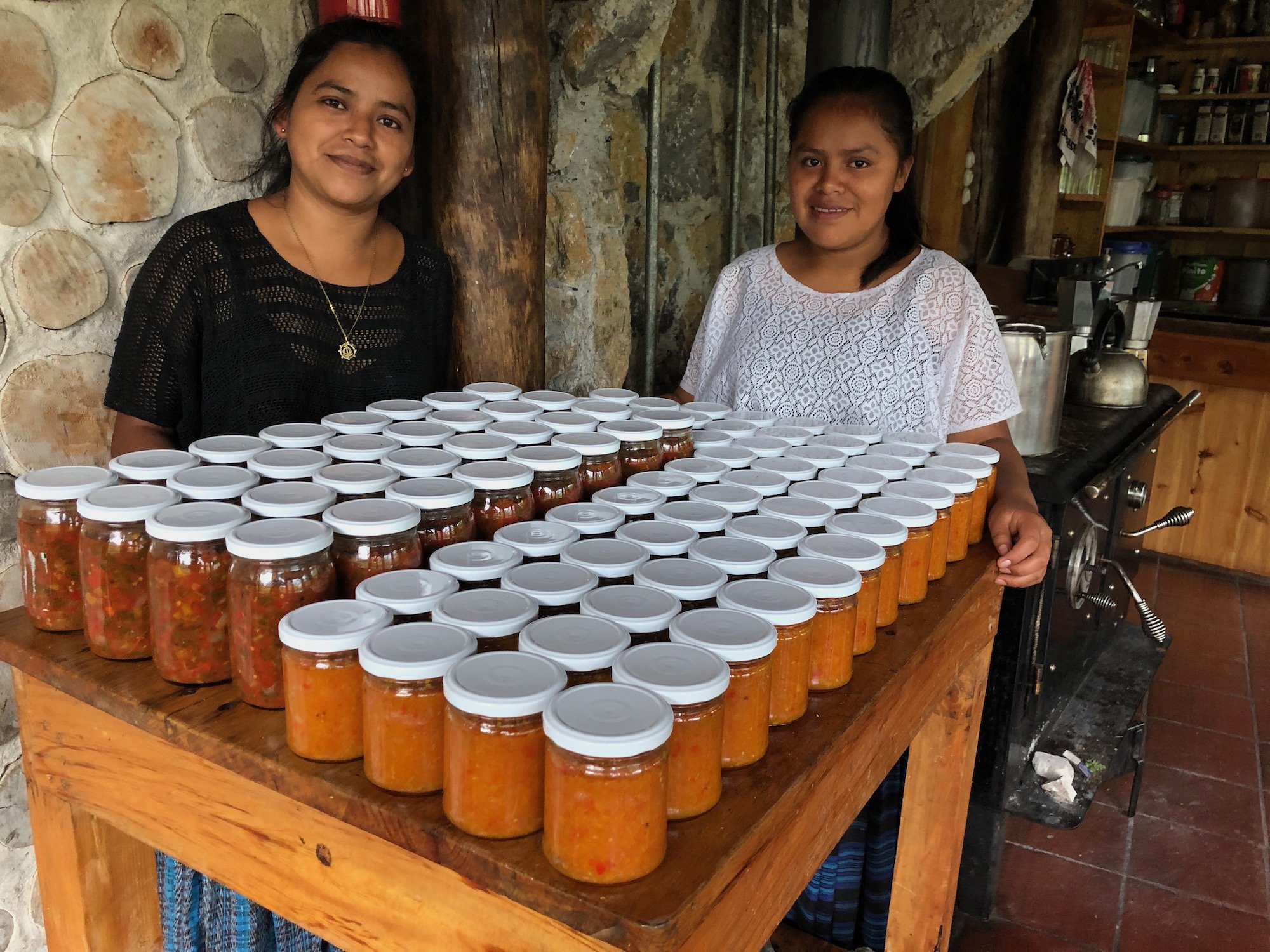
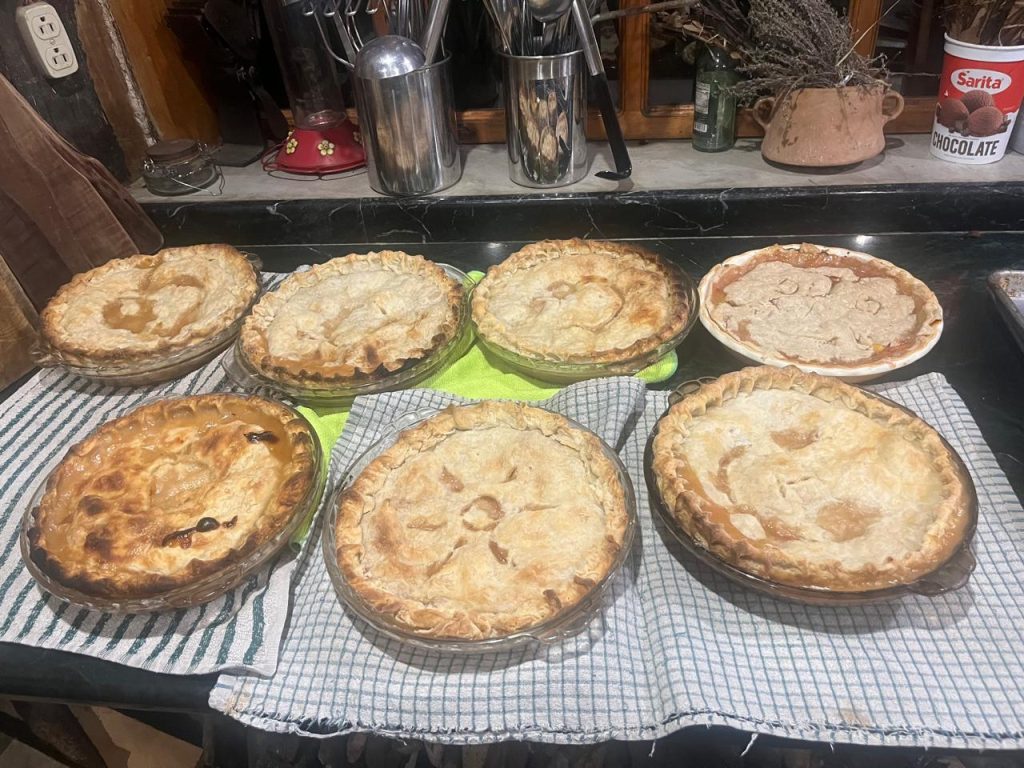
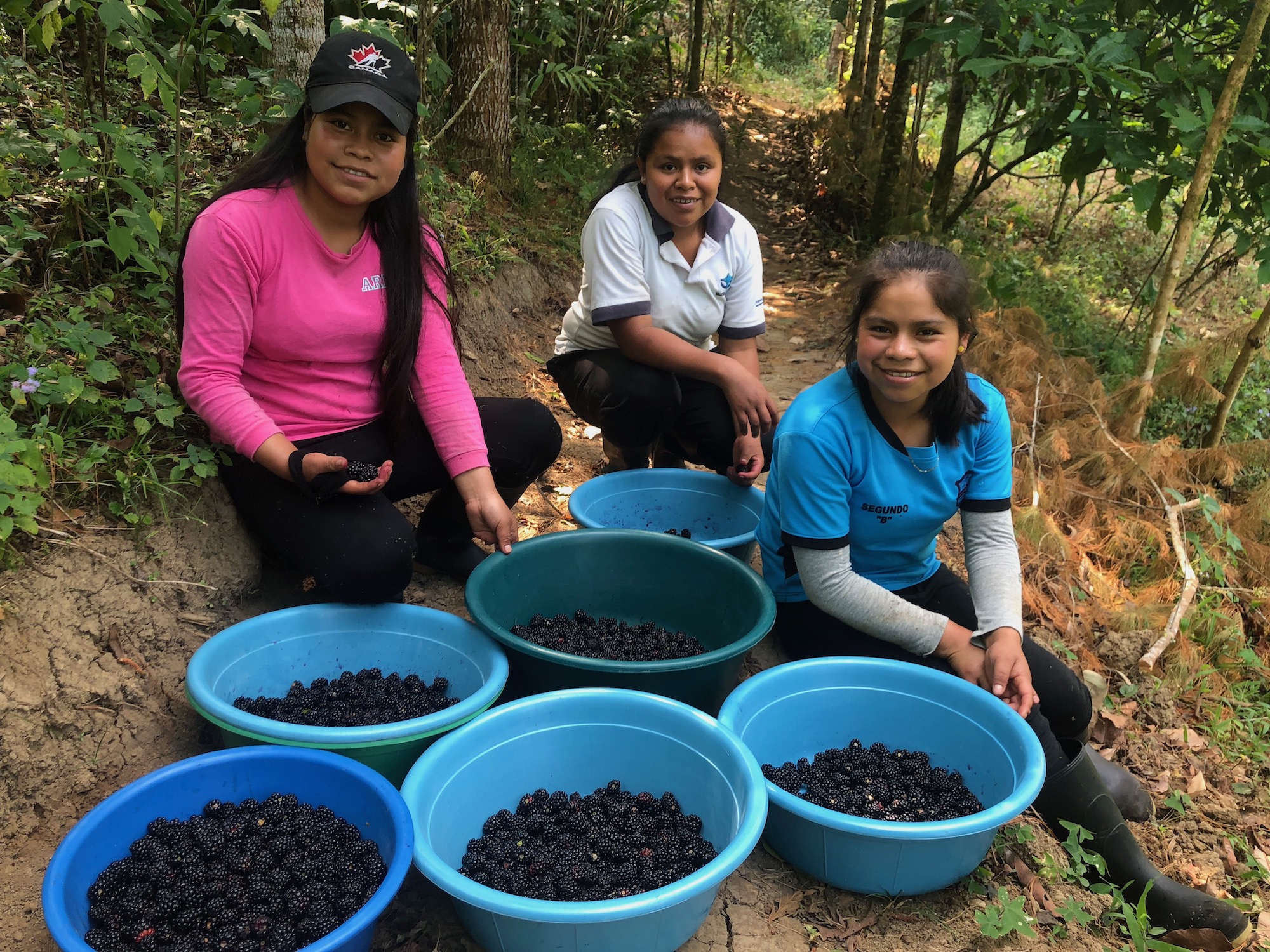
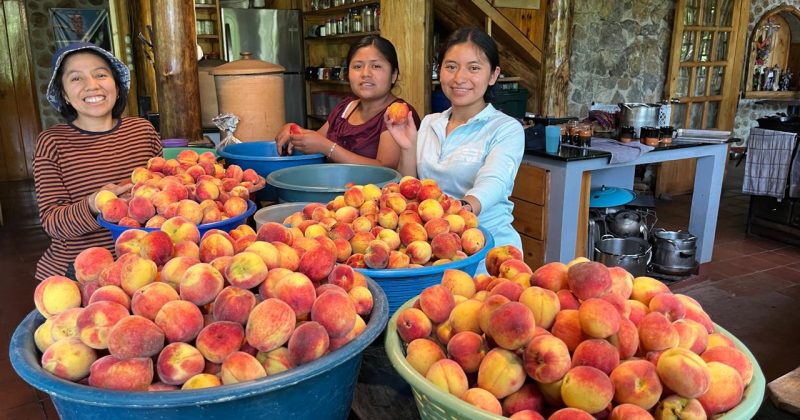
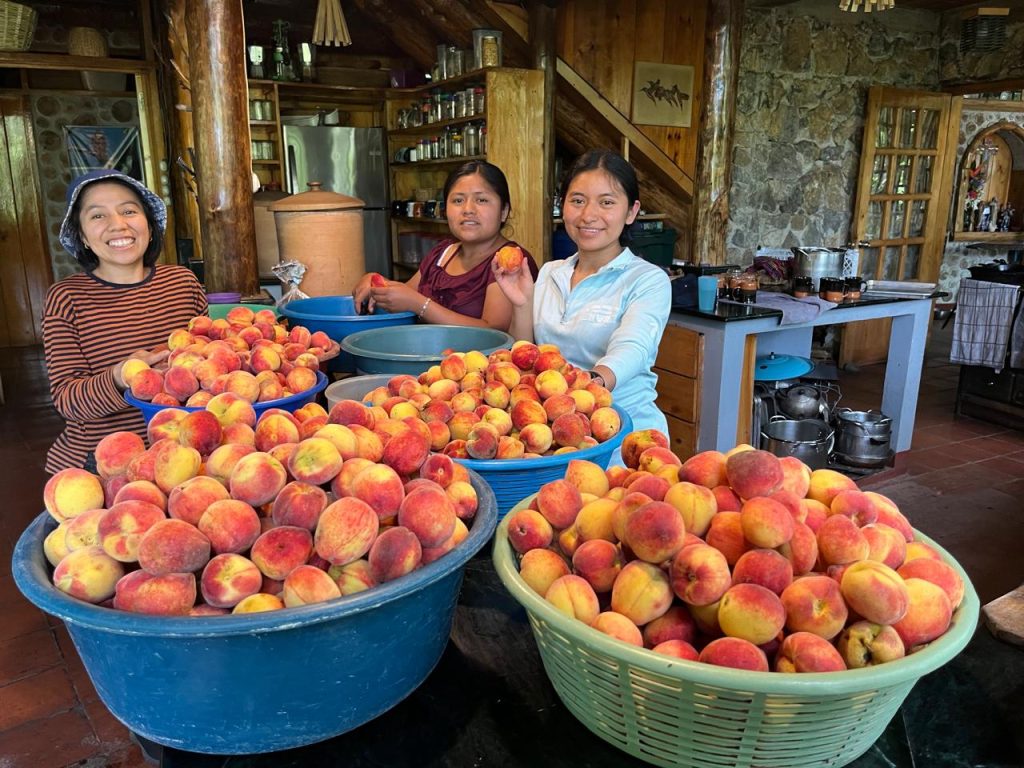
Covid-safe activities in our bubble included tending CCFC gardens, tree nursery and agro-forest parcels. WALC interns learned a lot about canning and baking, while preserving the harvest.
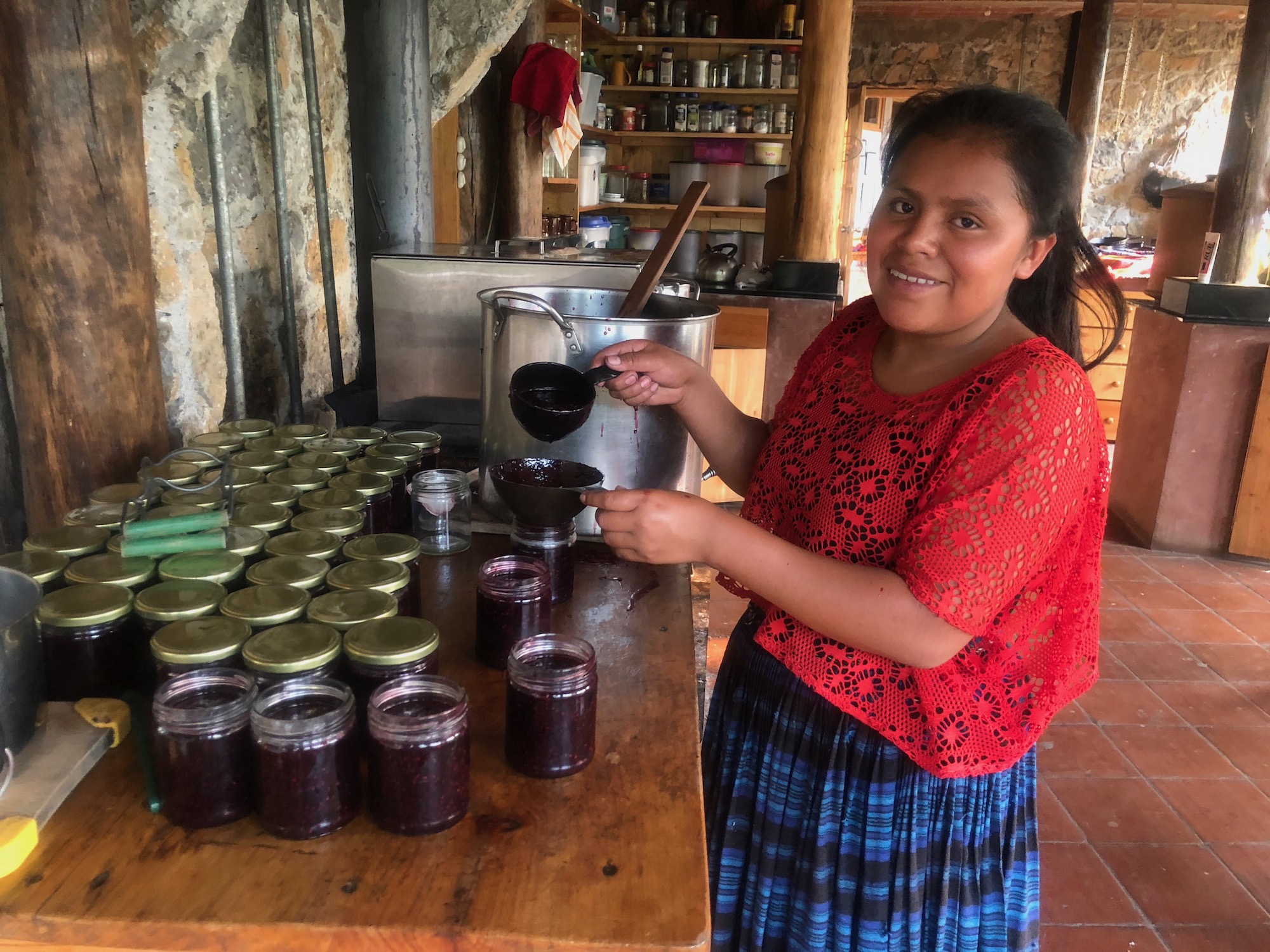
Reforestation

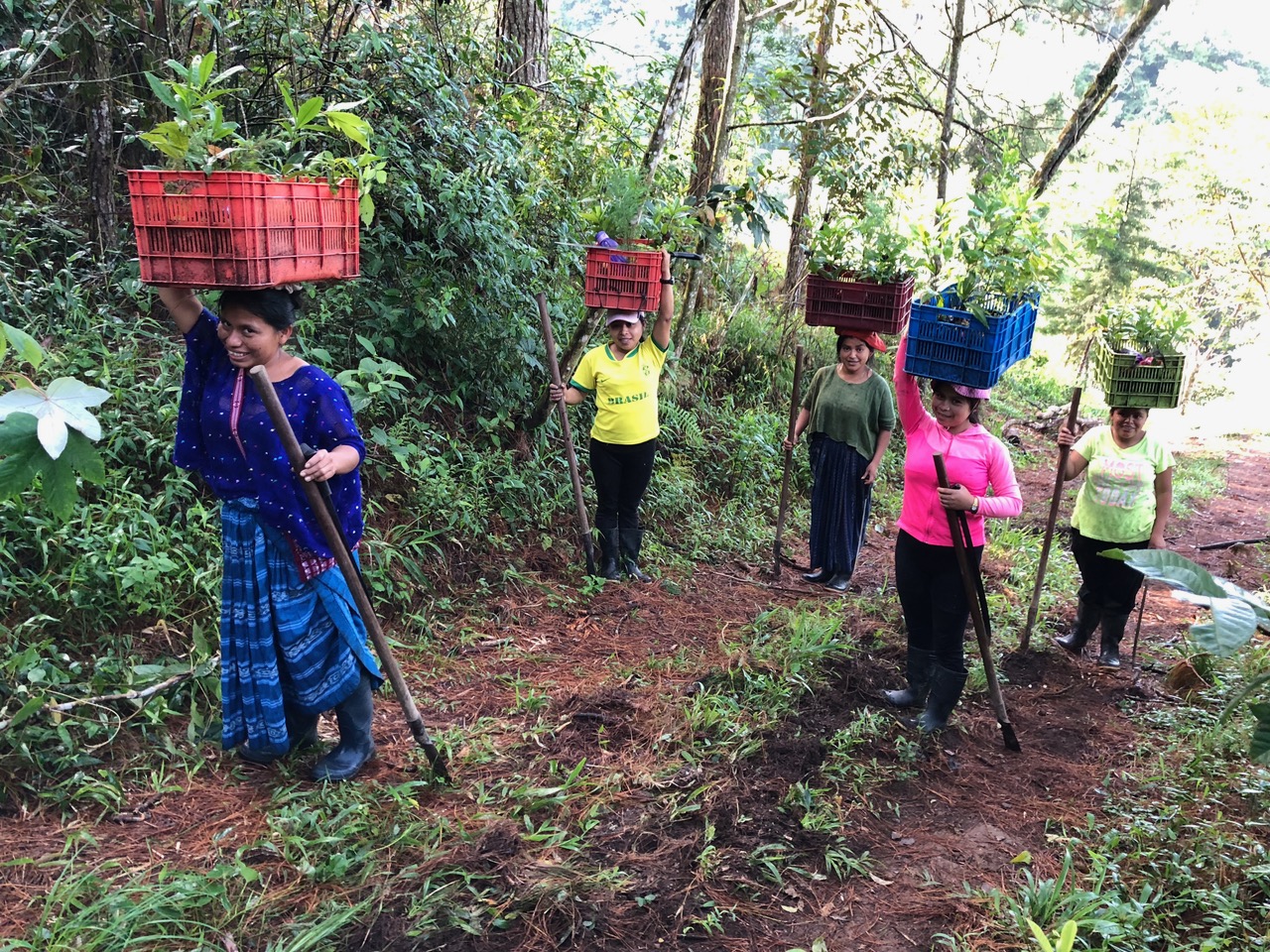
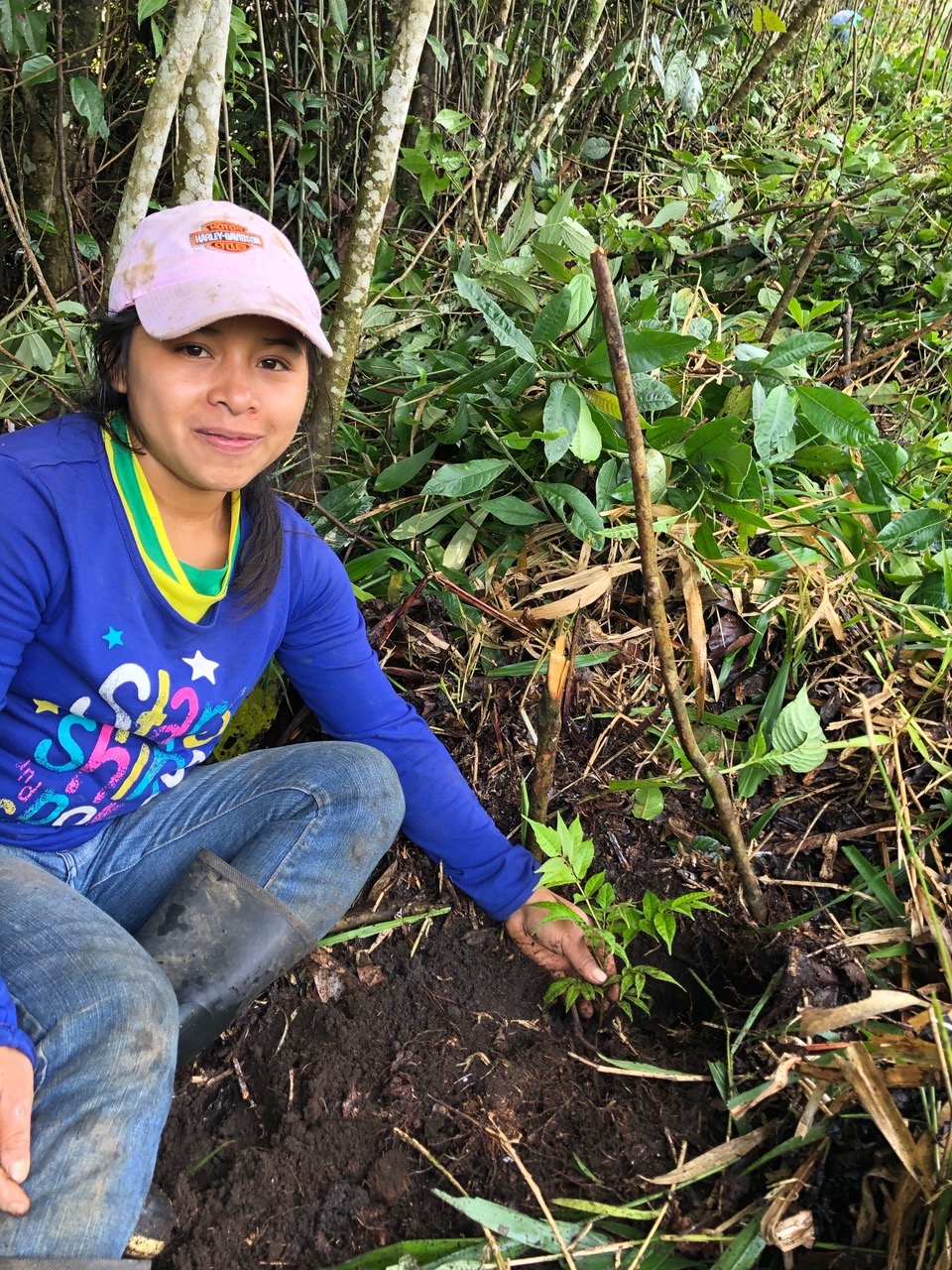
This year, CCFC planted 25,250 trees in important habitat restoration, reforestation and WALC agro-forest parcels.
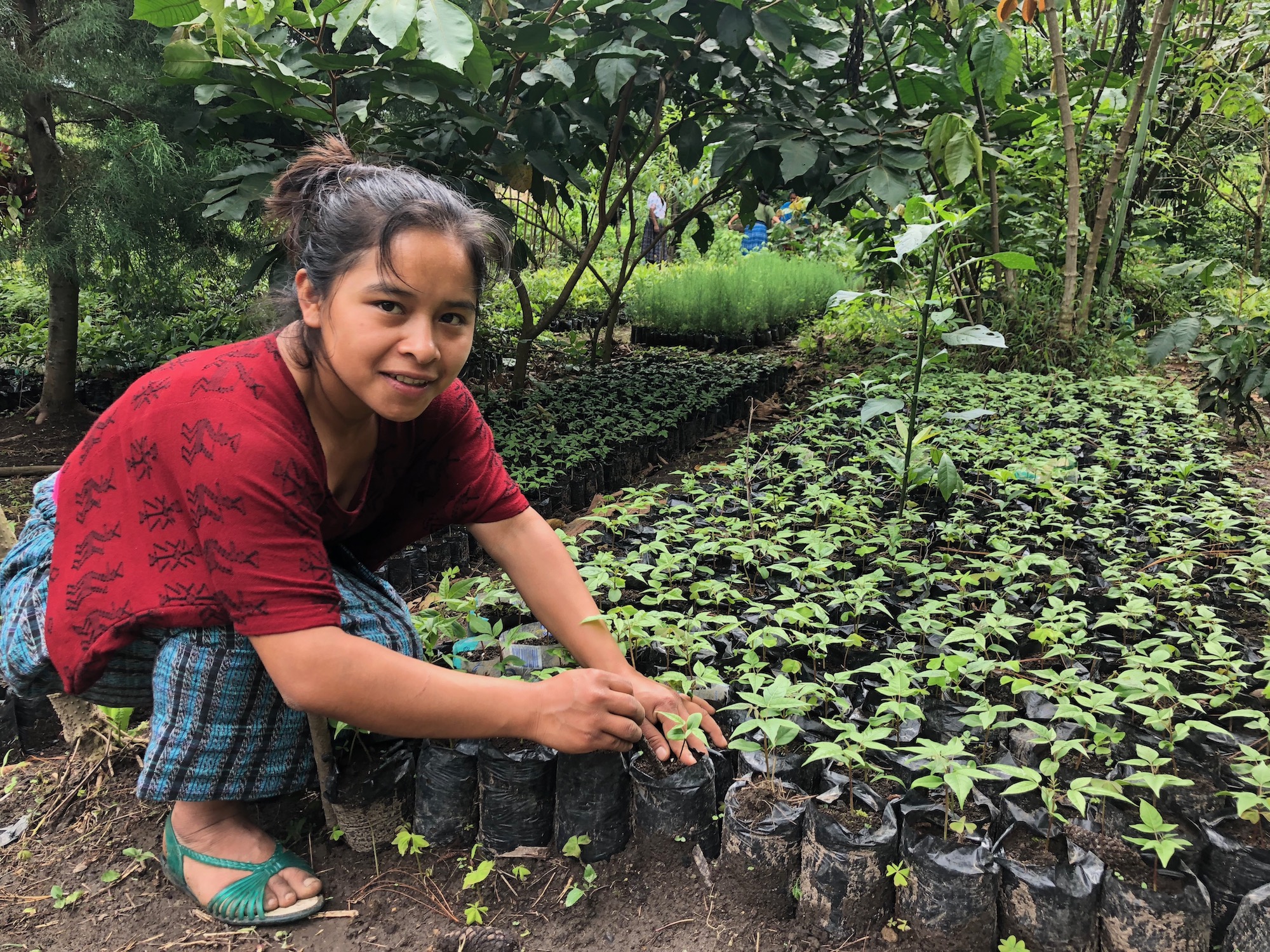
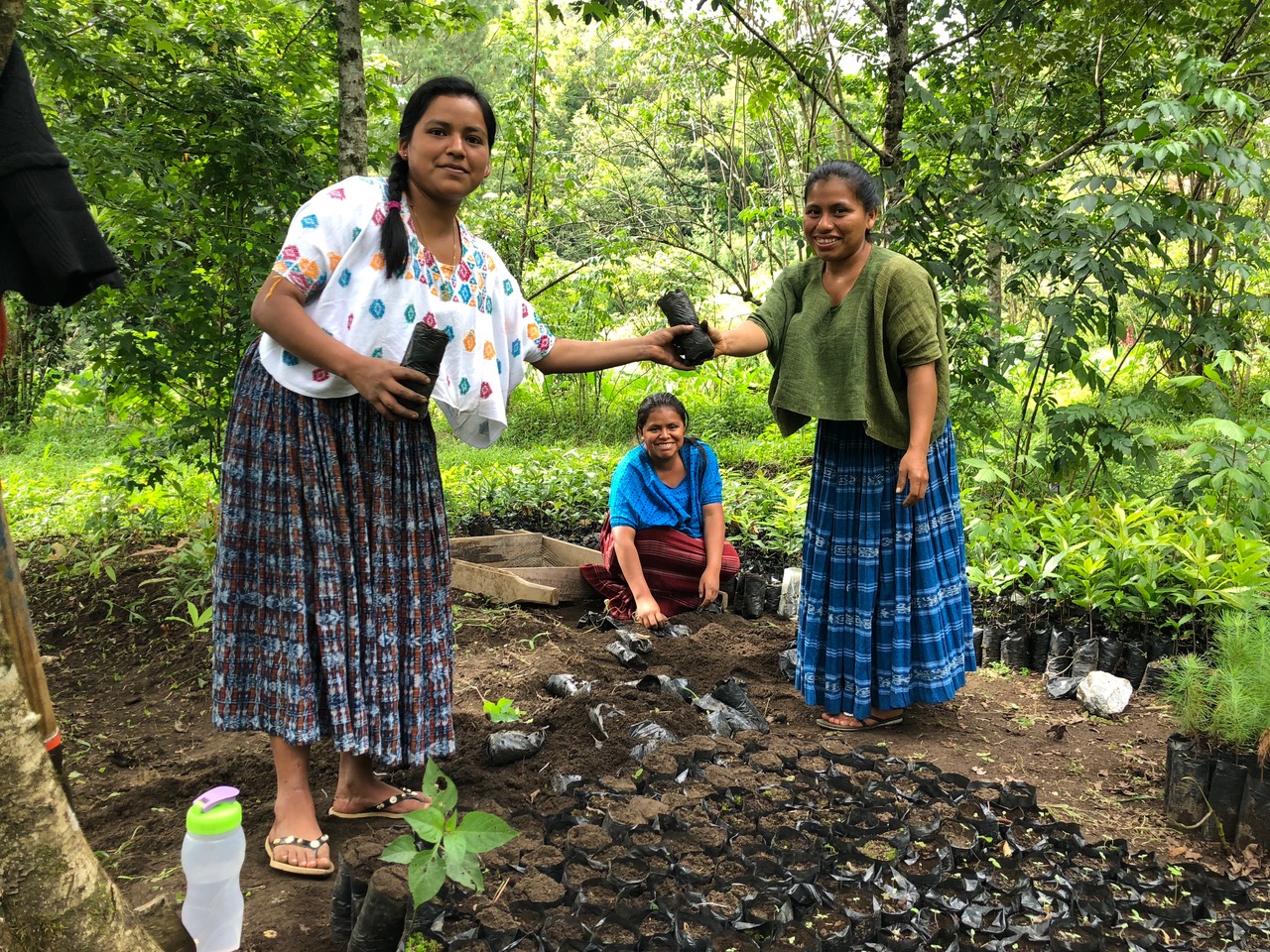
Here’s a 17 second video from the CCFC team to inspire you to plant trees: https://www.youtube.com/watch?v=PENzb9QykYw&feature=youtu.be

Ending 2020

Congratulations to all WALC students who finished the 2020 school year. In a normal year, finishing another year of school is a remarkable achievement, given all of the obstacles they face on a daily basis. We are proud of their resilience, determination and endurance to persevere throughout this year of COVID and hurricane challenges.

Marta Si Xol celebrated her graduation with father Jose Si and mother Juana Xol. Although Marta will soon be 22, she is proud to graduate from middle school (9th grade).  Marta first participated in CCFC Kids & Birds program in 3rd grade, in 2012. Her first year in WALC was 2017. She was a WALC intern in 2020.  Marta already enrolled in high school for 2021.
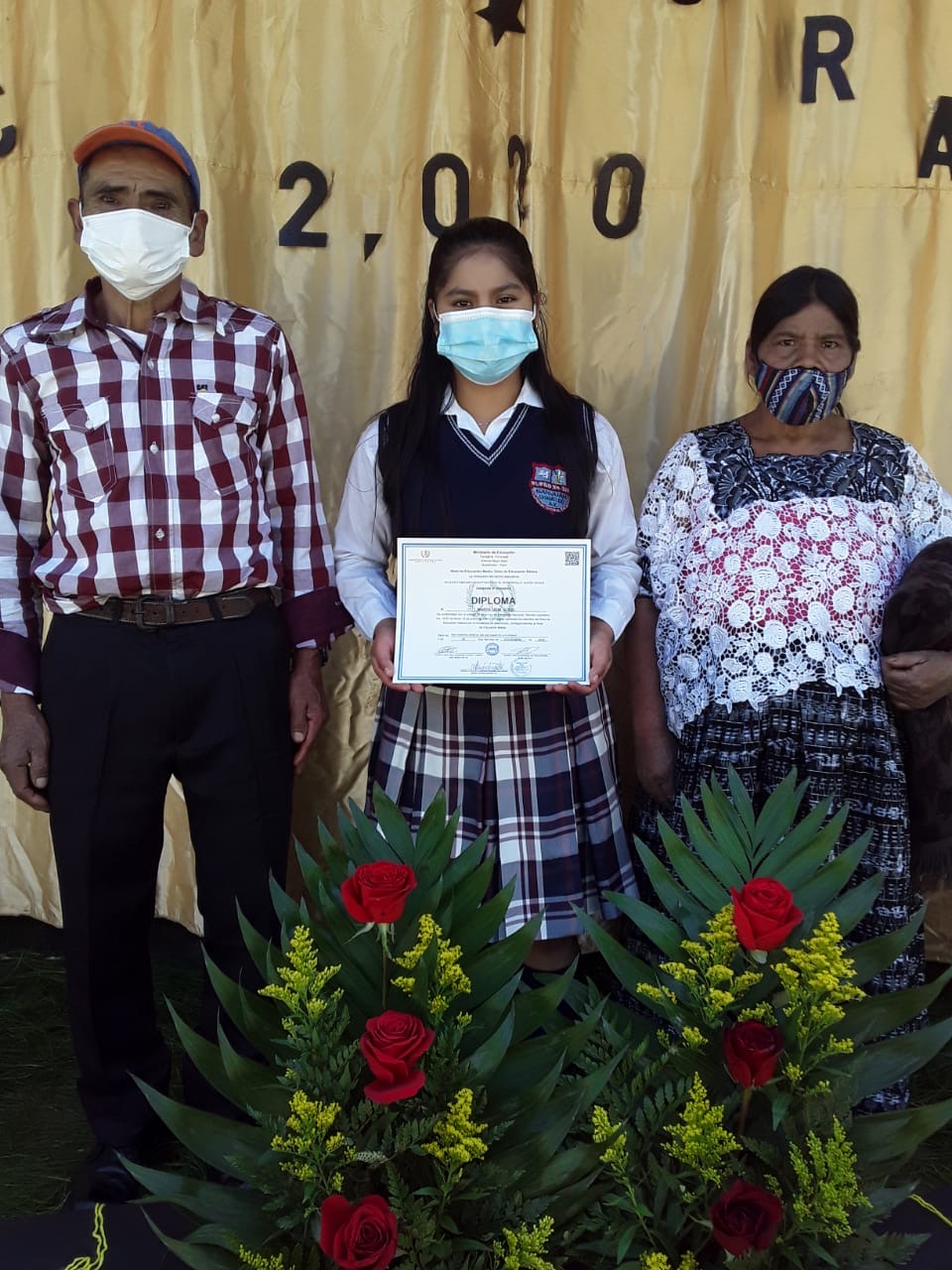
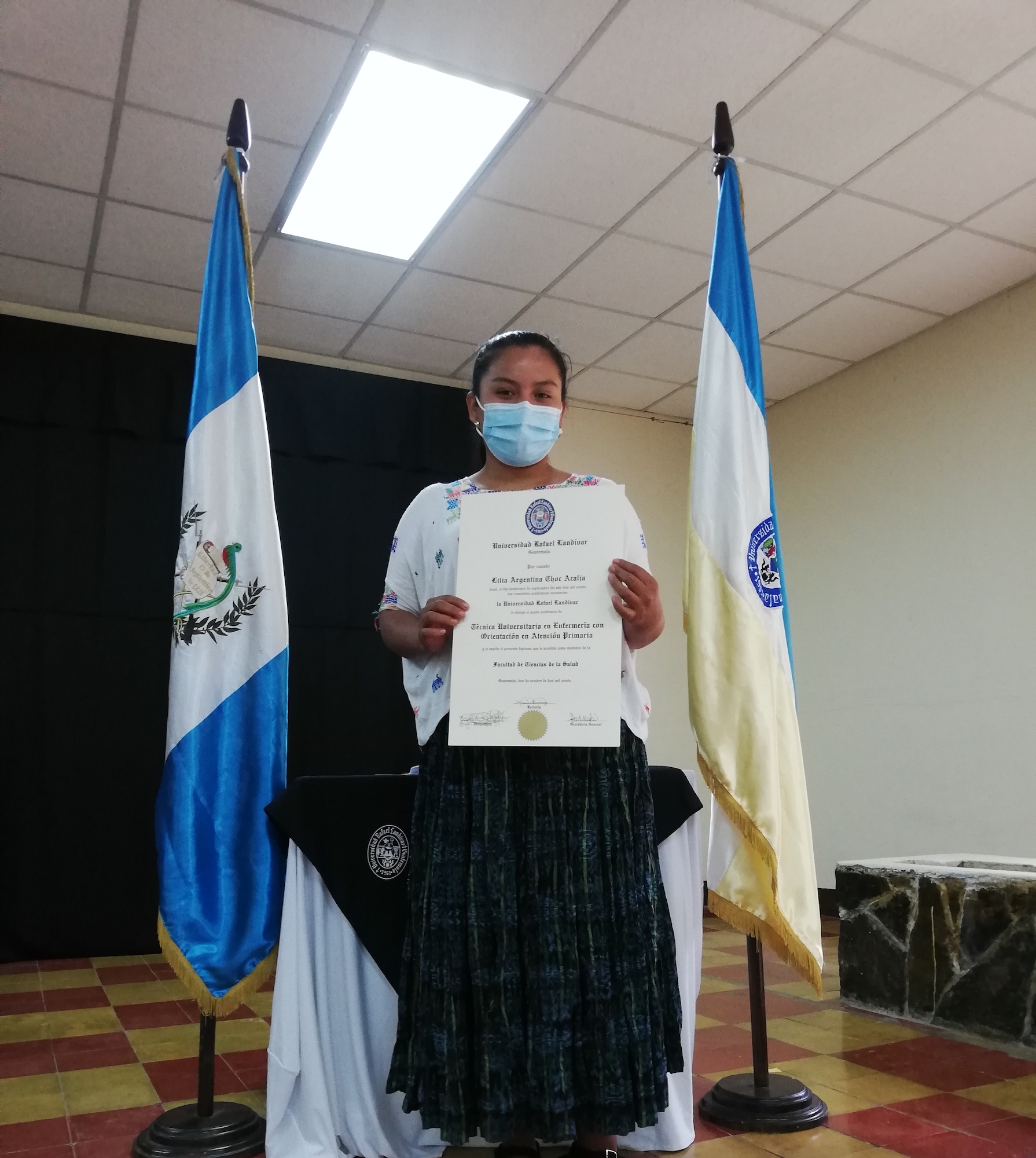
Lilia Argentina Choc Acalja, also an advanced WALC intern, earned her technical university degree in nursing. Lilia first took part in the WALC program in the fall of 2016. She is eager to serve as a nurse in the rural Cahabón region.
Thank you to advanced WALC interns, participating students, local partners and to all our supporters who have made this year a success.
Warbler Coloring Books

CCFC’s Kids & Birds program has a wonderful new resource, the Warbler Coloring Book. Thanks to the excellent art work of CCFC intern and University of Mary Washington Biology major, Savannah Aldrich, CCFC has published a coloring book which includes all the warblers of the region.

Kids&Birds Teachers Training, reaching out to NP Sierra Lacandon

Teachers and staff from Defensores de la Naturaleza came to CCFC for a four teach Kids & Birds teachers training workshop. National Park Sierra Lacandon is facing unprecedented deforestation. Defensores de la Naturaleza is making a valiant effort to protect the forests of this officially protected area. Teachers and public health promoters employed by Defensores will be teaching Aves de mi Mundo, a curriculum of the Cornell Lab of Ornithology used by CCFC in our Kids & Birds program. This teachers training was a strategic step in promoting conservation in village schools within the national protected area.

The Sierra Lacandon is located in norther Guatemala (southwestern Peten) along the Usumasinta River which forms the border of the Peten and Chiapas, Mexico. Officially the national park is a protected area but there have been many land invasions and today deforestation is rampant within the boundtries of the park.

September 18 — 21, 2017

Flooding in Alta Verapaz

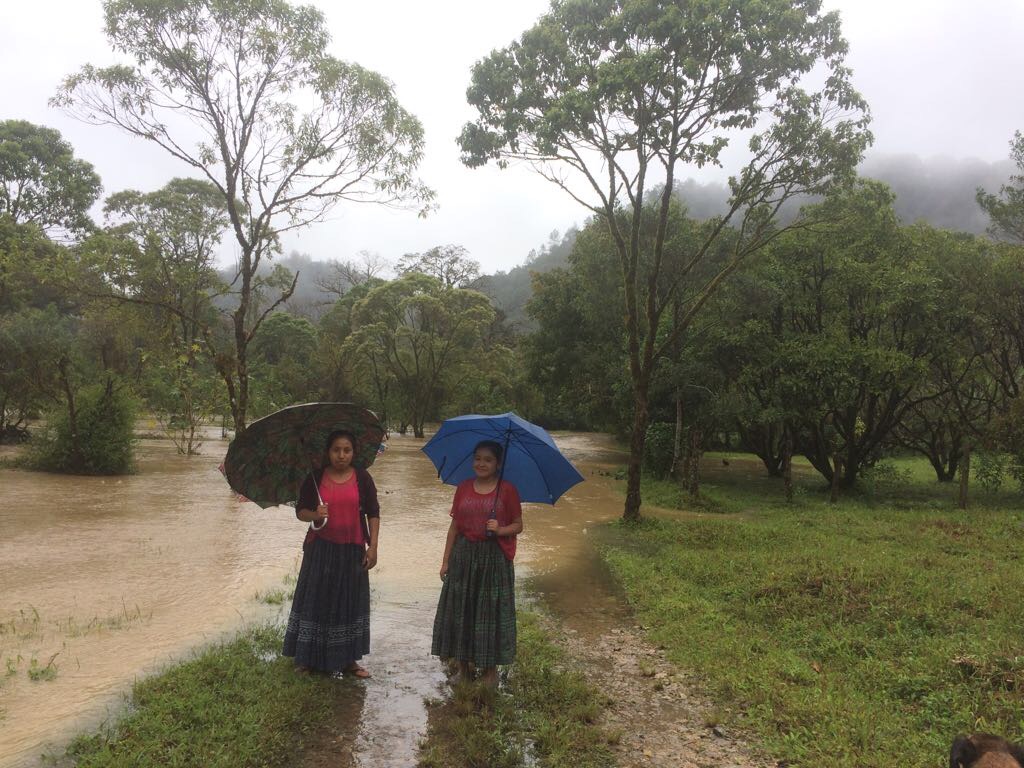
Much of the country of Guatemala is on Red-Alert these days as tropical storm Nate passes by along the Atlantic coast of Central America. Many people in Honduras, Guatemala, Belize and Mexico are experiencing heavy rains, mudslides and other weather related set backs.

At CCFC, we are all fine. The buildings are high and dry and we’ve not had any damage. This is a great test of the quality of our new roof. And you will be happy to know that the roof is performing excellently well under the heavy rains. However the river has grown and covers a good part of the low pasture area.

Local school visits CCFC’s agroecology center for training in sustainable agriculture

Teachers and staff from Don Bosco Secondary Schools in Carcha’ and Chamelco visited CCFC on September 5th.  These campuses are seeking to establish sustainable agricultural programs. Over the past ten years, Don Bosco students have participated in CCFC’s environmental education workshops and tree planting.


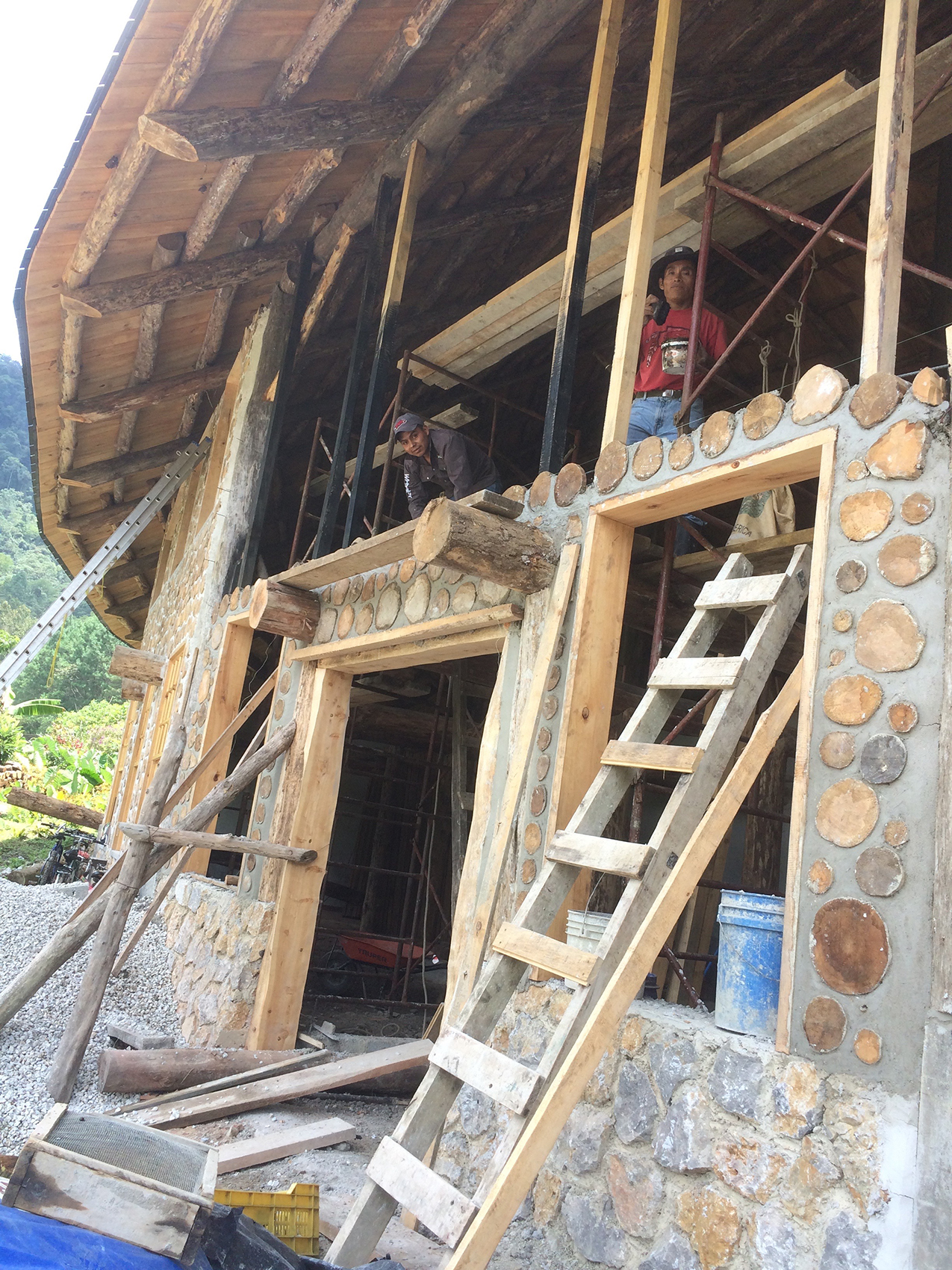
With two months to go, big push to get new building ready for fall WALC

With two months to go, big push to get new building ready for fall WALC

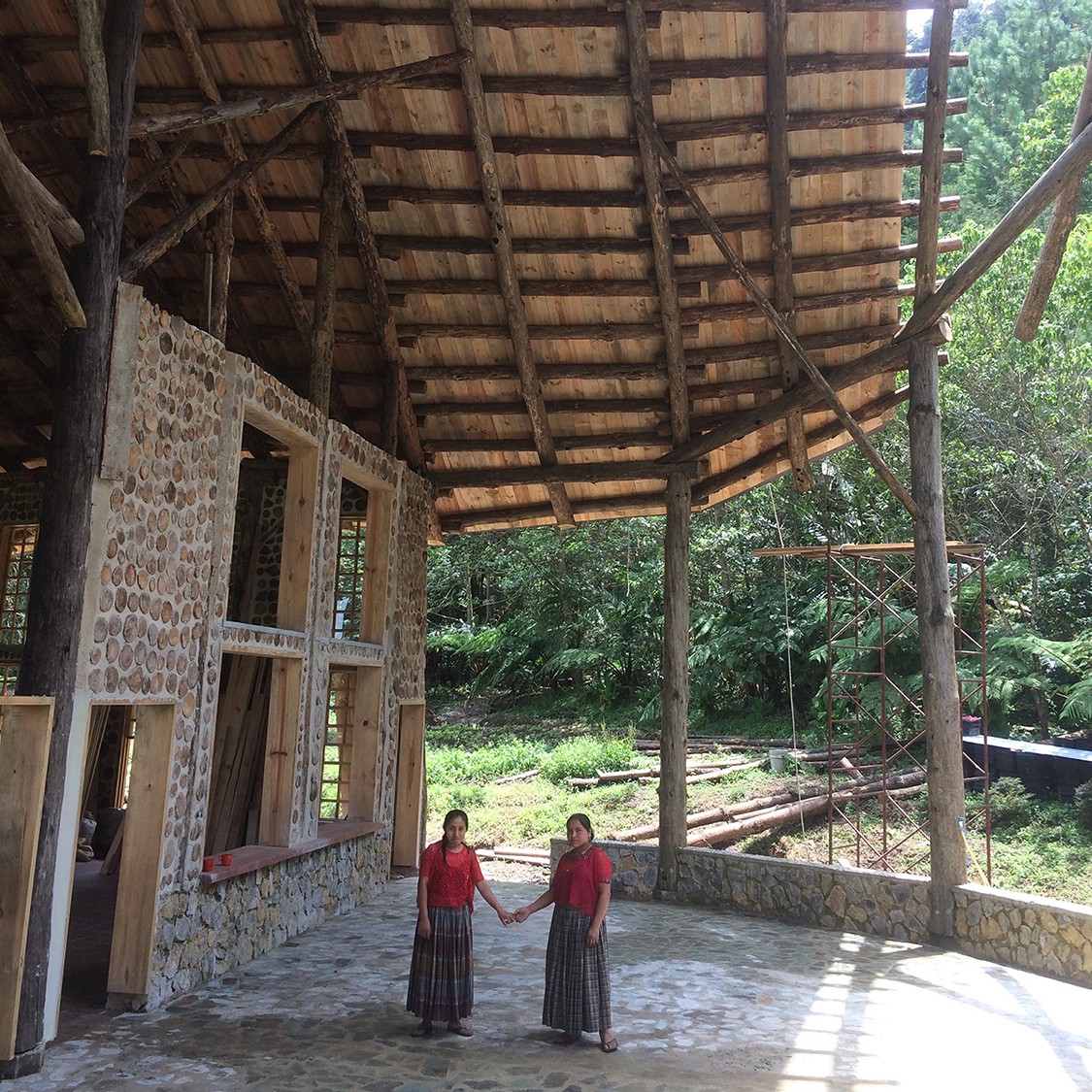
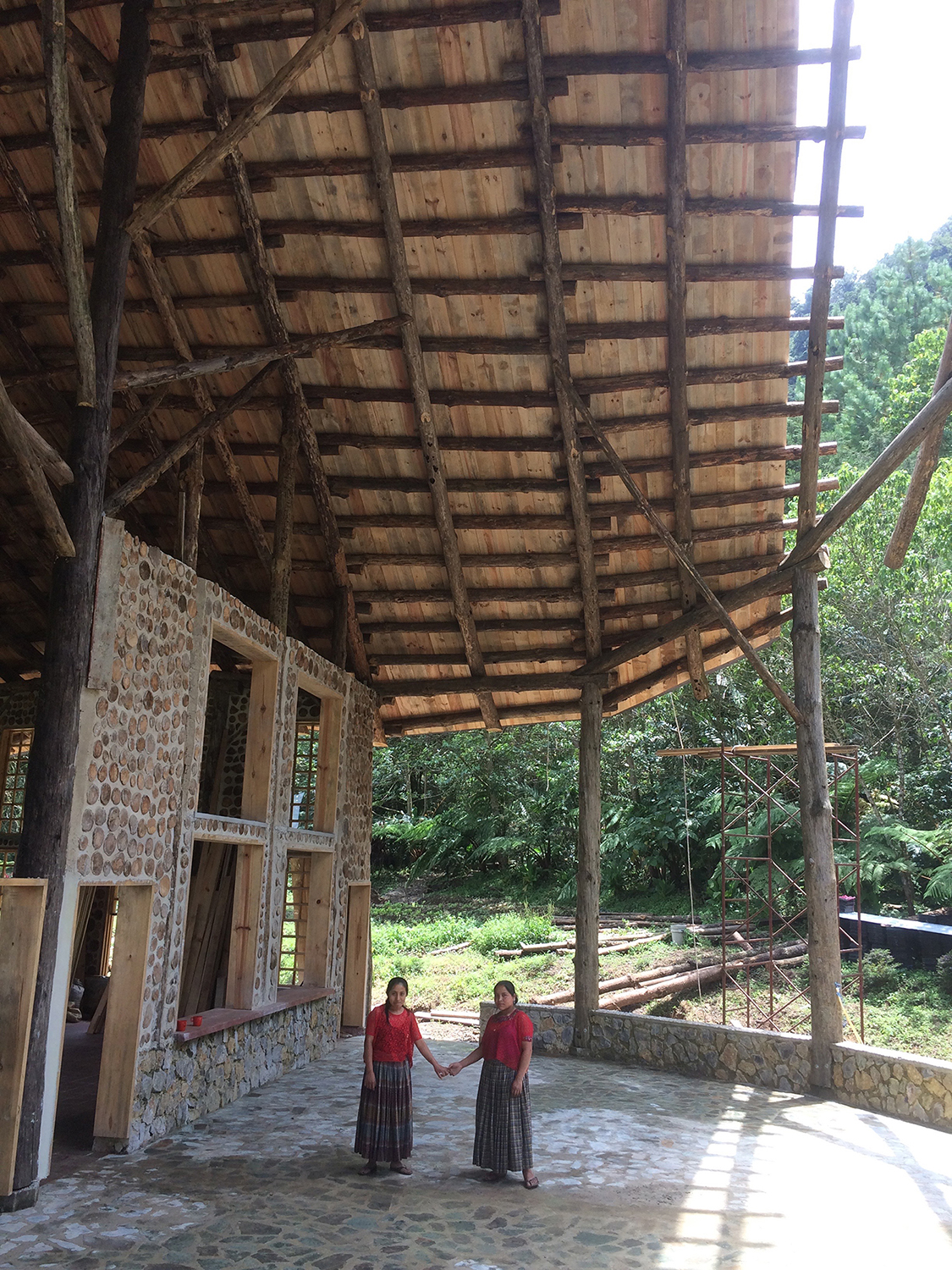
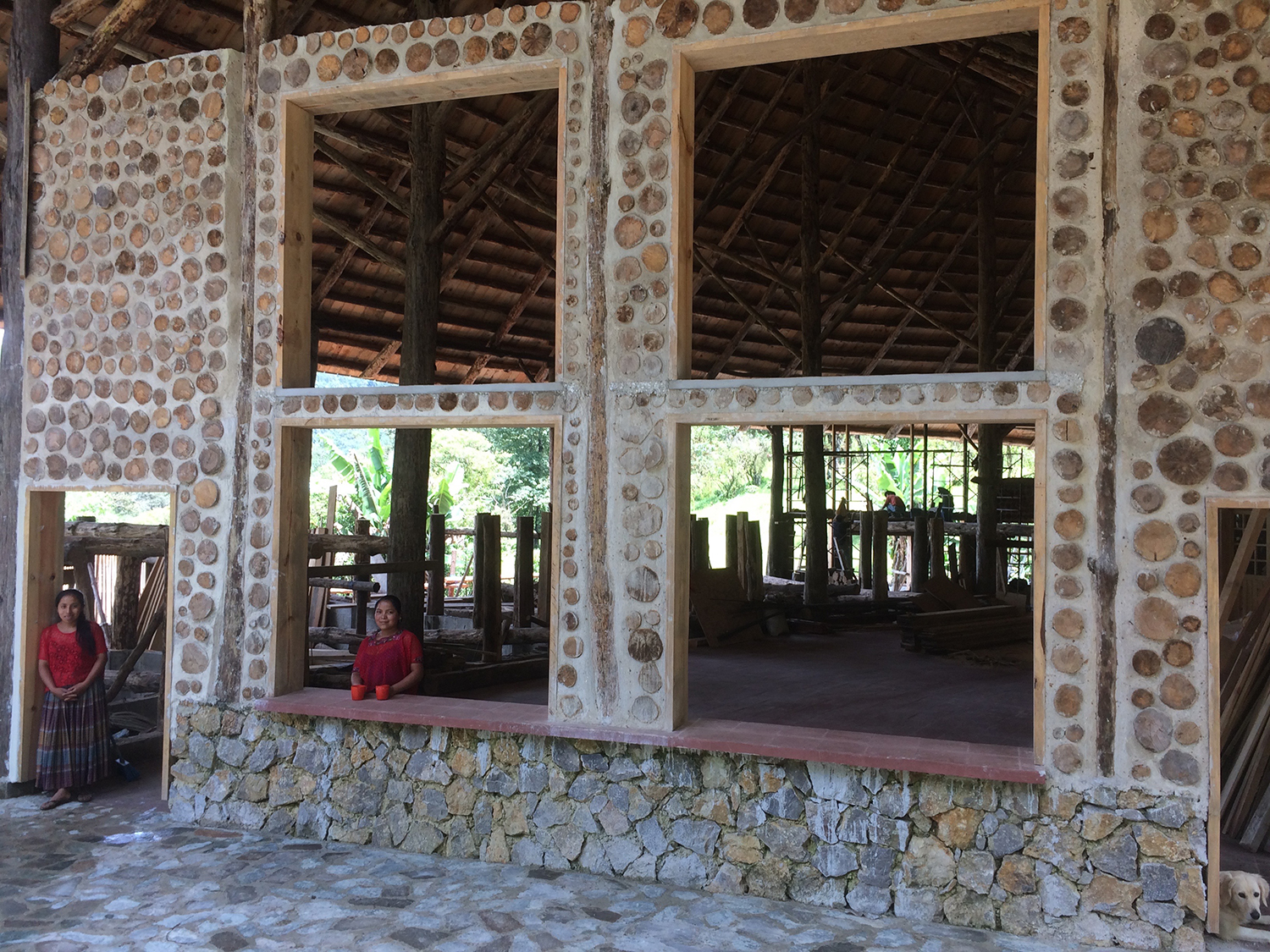
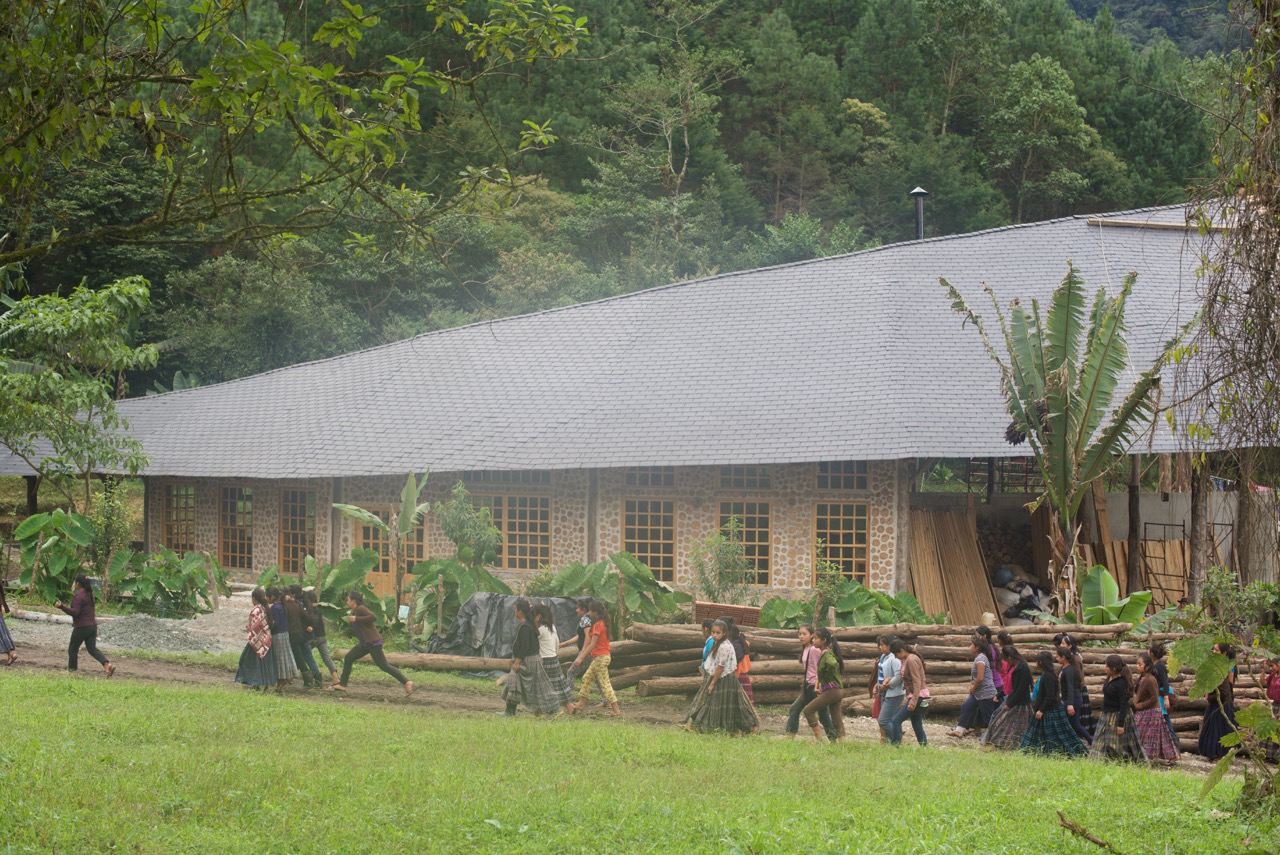
In preparation for a major influx of new students, CCFC is moving full steam ahead to get the dining area, kitchen and parts of the dormitory ready. On November 6, we are expecting a campus population of 150, with WALC students, peer leaders, teachers and staff. Last fall (see post below) we were able to finish two dorm rooms in this new building just before the WALC session started. This year we plan to have the kitchen fully functional, more dorm rooms ready and the large dinning all in full operation.


New building good to go

Thanks to you we were able to use the section of the new building that we were hoping to use on October 24. Thanks to your financial support and a big push from our workers we were able to house 40 students in the new building during the first week of session one.

Fall Sessions

Time flies when you’re having fun. The first fall WALC session started on October 24. 89 young women participants and peer leaders made CCFC’s ecology center their home for the following 25 consecutive days. It went off without a hitch. The schedule was intense but enjoyed by all. The first session came to an end on November 17.


Photo of first fall WALC session participants.

The second WALC session started on November 18. This time we received 130 young women participants and peer leaders. CCFC’s buildings are full to the brim but everyone is comfortable and well taken care of. During the second fall WALC session, CCFC is housing and feeding a total campus population of 145 people. This includes one resident researcher, seven interns (two from the US and five local) and other staff.