Strong Women of CCFC
Excerpted from Cloud Chasers research at CCFC which will appear in the TU Delft Feminist Exhibition. The researchers profiled several of the young women who are involved at CCFC, several of whom are on the Board of Directors of Comunidad de Conservación Tz’unun.
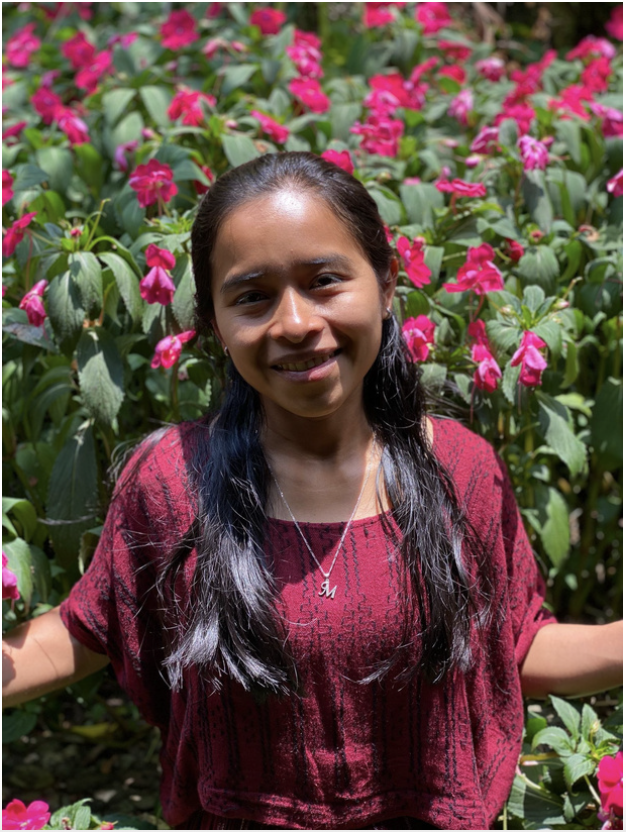
After five years of studying, Yolanda received her university degree in social work in the spring of 2025. It was celebrated nicely during one of the Cloud Chasers’ conference dinners. She was born in an aldea (a name for a community or village) called Secaquib. As the first daughter of eight, she works hard on a plan to set up a program for children and women in her village, focusing on education, and financial stability. In her free time, she likes to organize her clothing, but also enjoys time to just think and reflect, as her intense workload does not leave her with a lot of time to chill out.
What are you studying?
“I chose to study social work, because it allows me to learn and understand the reality of people from many different perspectives. I want to focus on helping other people, especially from my own community. Before I can do this, it is important to earn money and experience at another institution, for example by becoming a researcher or social worker.”
What does the forest mean to you?
“Most importantly, the forest provides us with freshness. Feeling the air breathe through the trees and seeing them dance in the wind is very calming for me.”
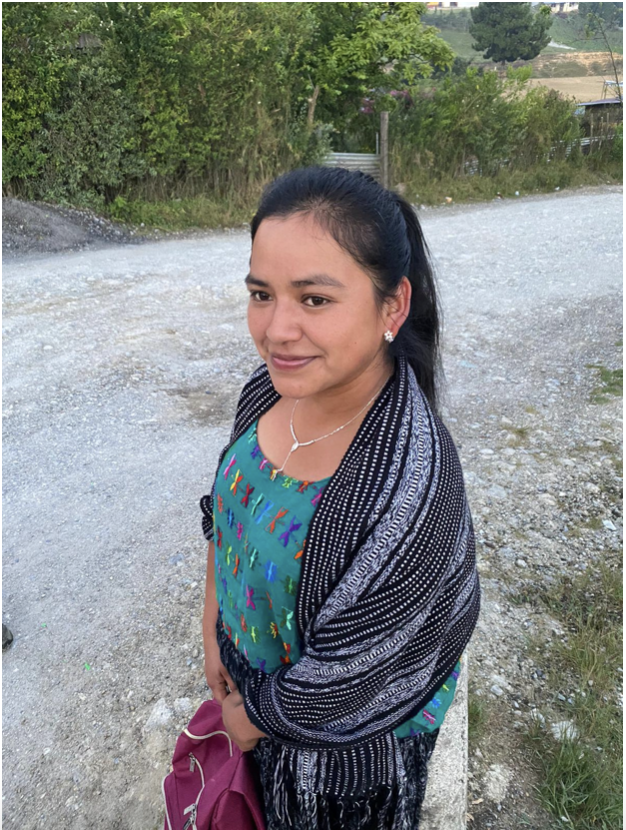
Sylvia has been involved with CCFC for quite some time. In 2016, when she was about 20, she took part in the Women in Agroecology Leadership for Conservation (WALC) program. This leadership training, organized by CCFC, is designed for young Maya women from remote mountain villages near the cloud forest corridor. Starting out shy, Sylvia has grown into one of the key members of the CCFC team. The Cloud Chasers had the chance to stay with her family in Chaisún for a night. Over dinner with her parents and some of her eight siblings, it was clear how much respect they have for their parents. Despite having no formal education and speaking only Q’eqchi’, her parents have built a solid home and ensured all their children are now attending university. The evening wrapped up with a marimba performance, the national instrument of Guatemala–a memorable way to end the visit.
What are you studying?
“I’m studying Maya sociolinguistics in Cobán, which focuses on the relationship between language and society. I learn about Maya culture, history, and how language is used. Today, many parents and grandparents in the villages no longer speak or pass on the Mayan language to their children. I believe it’s important to keep Maya language and culture alive, which is why I chose this field of study.”
What does the forest mean to you?
“I really value how clean it is here, there’s hardly any garbage. Back home, people throw a lot of plastic into the environment, which causes serious problems.”
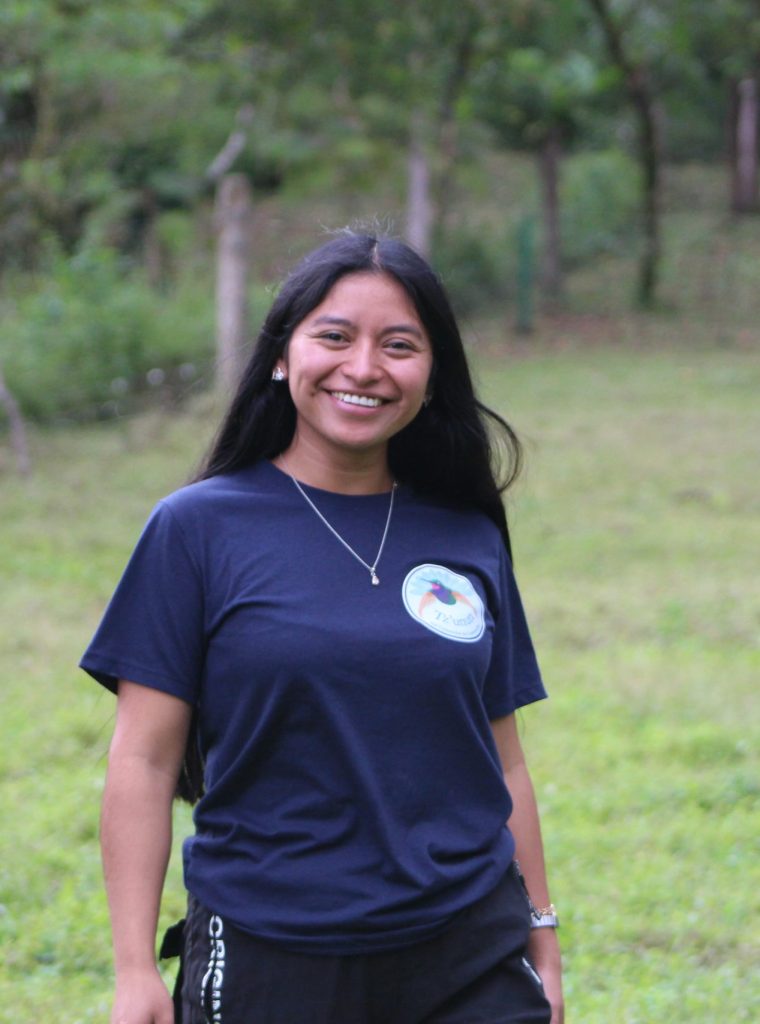
Sara joined the WALC program in 2016, encouraged by her older sister. She grew up in San Marcos Chamil San Juan, a village less than an hour from CCFC. As a member of the Cloud Chasers team, we’ve had the chance to work closely with her since the start of our project. Drawing from her experience in water education, she’s provided valuable insights into how water is used and valued in Guatemala. She also played a key role in conducting a health survey in the region, a true multi-talent. When asked about her free time, she shared that simply being with her family is one of her favorite ways to spend it.
What are you studying?
“My program is called criminology, and I am currently in my third year. Violence, especially against women and children, is a big problem in Guatemala. Furthermore, a lot of crime cases are not being solved or families are left without answers. I chose to study this in order to help and support the victims. As I am reaching the end of my studies, I am likely to start my final internship after summer.”
What does the forest mean to you?
“Fresh air is something I highly value in this place. It goes hand in hand with the freshness of the climate that the forest creates here. In addition, the sound of the animals here is amazing.”
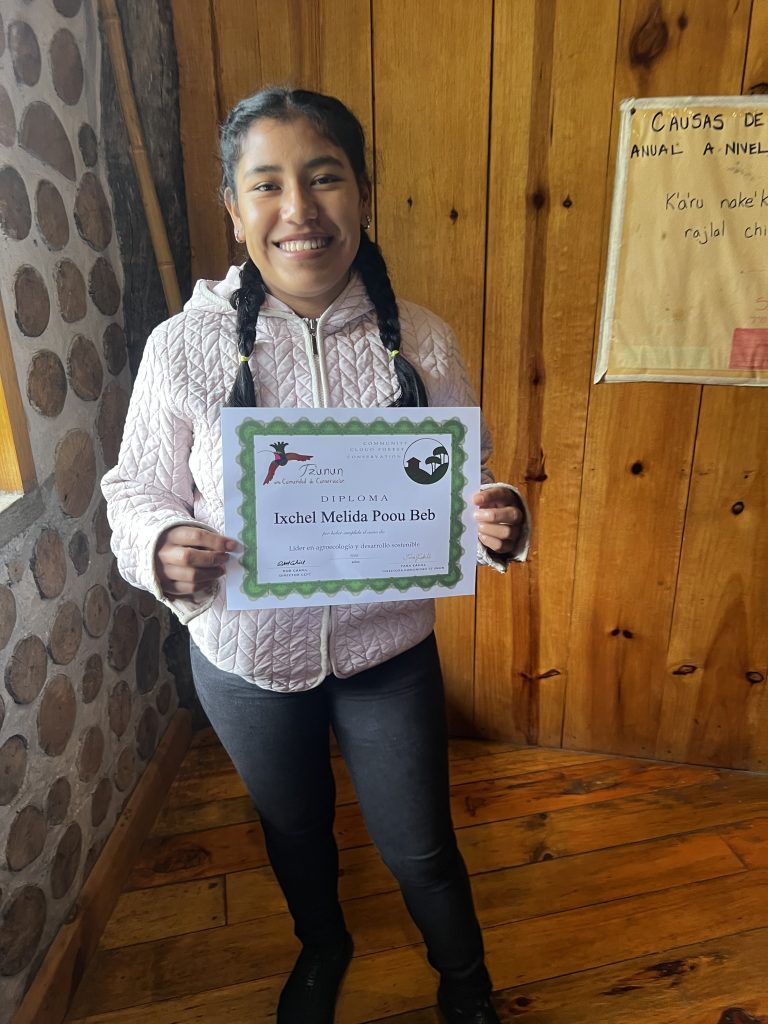
Ixchel is one of CCFC’s water experts. She is from Chaquibeha, a semi-urban community close to the city. She loves being in her garden or agroecological plots. At home, she and her family have many animals that she takes care of in her free time. Maybe the only moments that Ixchel can be found inside instead of in nature, is when she watches documentaries about all sorts of topics, such as true crime.
What are you studying?
“My study is social work, because I hope to help people with different kinds of issues. There are many fields to work in related to social work, with one of them being water. I learned a lot about this topic through my study projects. Last year for example, I did a project on grey water in my own community.”
What does the forest mean to you?
“I think that the forest has a very important value. My father is an Ilonel, which is a Q’eqchi spiritual guide or healer. He taught me that nature is sacred and that we need to take care of it. So, the forest here feels like a very spiritual place, a place that we should respect.”
The women of the CCFC team embody a powerful force for change. In regions where girls’ education often ends after primary school, and where decisions are largely dominated by men, their work redefines who holds knowledge, authority, and vision. By cultivating diversified agroecological plots, restoring soils, and nurturing traditional crops, they are not only regenerating land at the endge of the cloud forest in Alta Verapaz, Guatemala; they are reshaping social relations rooted in exclusion and hierarchy.
Through their work in agroecology and education, these young women become catalysts within their families and villages. They demonstrate that sustainability is not only technical, but relational. It is grounded in reciprocity between people and territory. Their transformative potential lies precisely in this integration of ecological renewal and social justice: cultivating new possibilities for both gender equality and community self-determination.